Bolognese Dog Breed: Temperament, Care & Owner’s Guide
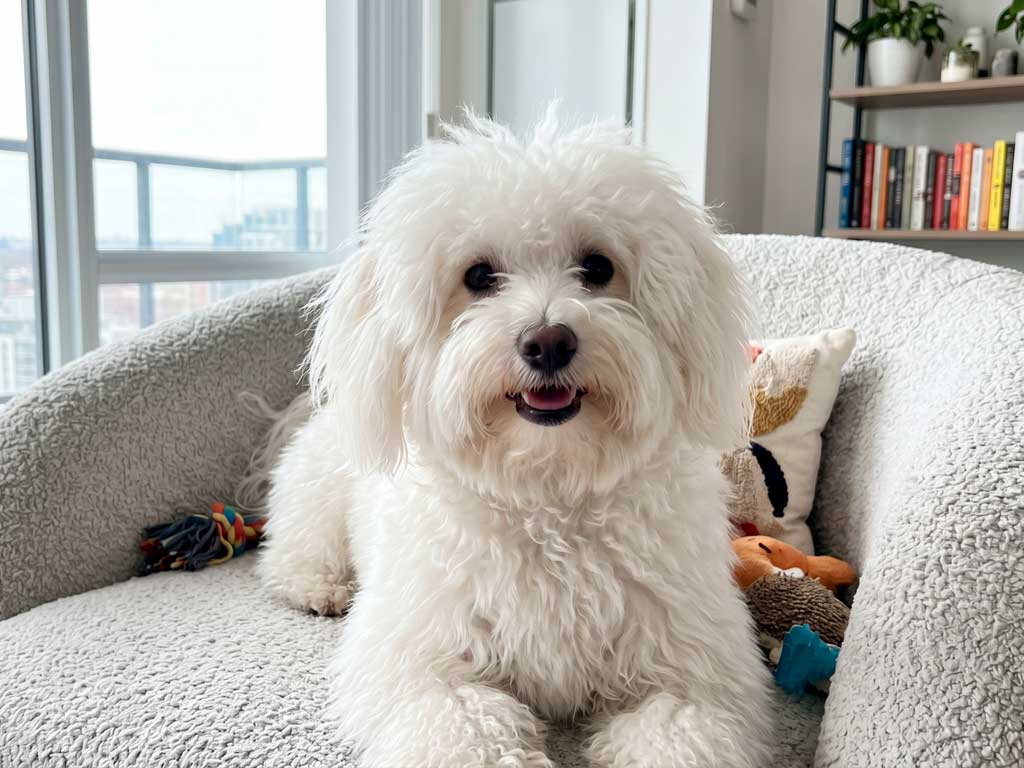
The Bolognese dog breed has been sitting in the laps of royalty for nearly a thousand years — and it shows.
This small, fluffy Italian companion is one of the most devoted, gentle, and genuinely low-maintenance toy dogs you’ll ever come across. But it has a few specific needs that most people don’t know about before bringing one home.
In this guide, you’ll get the full picture: its aristocratic history, what its personality is really like day-to-day, and exactly what it takes to keep one happy and healthy. By the time you’re done reading, you’ll know whether this rare little dog is the right fit for your life.
History and Origin
The Bolognese is one of the oldest companion dog breeds in existence — and its origins are genuinely fascinating.
The breed is believed to descend from the bichon-type dogs of southern Italy and Malta, developed in the city of Bologna during the 11th or 12th century. From its earliest days, the Bolognese was bred with one purpose in mind: to be the perfect human companion. No hunting, no herding, no guarding. Just devoted companionship.
That singular focus earned it a place in the courts and palaces of Renaissance Europe. By the 16th century, the Bolognese had become a prized status symbol among the continent’s ruling families. Cosimo de’ Medici reportedly sent eight Bolognese dogs as diplomatic gifts to Belgian nobles. Philip II of Spain received several as presents. Catherine the Great of Russia and Empress Maria Theresa of Austria were both devoted owners.
The breed’s cultural footprint extended into the art world too. Titian, Goya, Gosse, and Watteau all painted Bolognese dogs alongside their aristocratic owners — making the breed one of the few dogs genuinely immortalized in European fine art.
After centuries of popularity, the Bolognese nearly disappeared entirely in the 20th century as the aristocratic class that had sustained it declined. Dedicated Italian breeders worked to revive it, and while the Bolognese remains relatively rare today — particularly in the United States and United Kingdom — it is slowly gaining the recognition it deserves.
Physical Characteristics
The Bolognese is a compact, well-muscled toy dog that carries itself with quiet elegance. Its most immediately striking feature is its coat: a long, soft, pure white mantle that covers the entire head and body in loose flocks — not curls, not waves, but a distinctive textured fluffiness unique to this breed.
Key physical stats at a glance:
- Height: Males 27–30.5 cm (10.5–12 in); Females 25.5–28 cm (10–11 in)
- Weight: 3–4 kg (6.5–9 lbs) for both sexes
- Coat: Long, soft, white — non-shedding, low-dander
- Color: Pure white only (no other colors are accepted in the breed standard)
- Lifespan: 12–14 years
Despite its delicate appearance, the Bolognese is surprisingly sturdy for its size. It has a square body profile, dark expressive eyes, and a slightly rounded skull that gives it a permanently warm, attentive expression. It looks, in the best possible way, like a small stuffed animal that has come to life.
Unlike some white-coated breeds, the Bolognese has a single-layer coat with no dense undercoat — which is a significant part of why it sheds minimally and is widely considered hypoallergenic-friendly.
Temperament and Personality
If you’re looking for a dog that bonds deeply and stays close, the Bolognese will exceed every expectation.
This breed forms an intense attachment to its primary person or family. It follows its people from room to room, settles contentedly nearby while you work, and genuinely thrives on human company. That closeness is the breed’s greatest strength — and the trait that requires the most thoughtful management.
The flip side of that deep bonding is a real susceptibility to separation anxiety. A Bolognese left alone for long stretches on a regular basis is likely to develop stress-related behaviors: excessive barking, destructive tendencies, or persistent restlessness. This is not an independent dog that does well in an empty house all day. It needs to be with people.
Around strangers, the Bolognese tends to be reserved rather than fearful. It will typically observe quietly before deciding whether to engage, and it alerts its owners to newcomers or unusual sounds with a bark — though it isn’t aggressive or excessively noisy by nature. Early socialization helps ensure that natural caution doesn’t drift into shyness.
With family members it knows and trusts, however, the Bolognese is warm, playful, and deeply affectionate. It gets on well with children who treat it gently, and it generally coexists happily with other pets when properly introduced. For older adults, remote workers, or anyone who spends significant time at home, this breed is a near-perfect companion.
Care Guide
Diet and Nutrition
The Bolognese is a toy-sized dog with a correspondingly small stomach and a fast metabolism. That combination requires a specific approach to feeding.
Choose a high-quality small-breed formula with real animal protein listed first. Small-breed kibble is formulated with the right nutrient ratios for compact dogs and is sized appropriately for smaller jaws — which also encourages proper chewing and supports digestive health. Free-feeding is generally not recommended; instead, offer two to three measured meals per day to prevent overfeeding and maintain stable energy levels.
Watch portion sizes carefully. The Bolognese is a small dog, and even modest overfeeding translates quickly into excess weight that puts strain on its joints and heart. Use the feeding guidelines on your chosen food as a starting point, then adjust based on your vet’s advice and your individual dog’s body condition.
Treats should account for no more than 10% of daily caloric intake. For a breed this size, calories from treats add up faster than most owners realize.
Exercise Requirements
Here’s one of the most appealing aspects of the Bolognese for busy or lower-energy owners: its exercise needs are genuinely modest.
Several short daily walks totaling around 30 minutes are sufficient for most adult Bolognese. A longer outing is always welcomed, but the breed is also perfectly happy burning off energy in a garden or playing indoors. It is not a dog that demands two hours of vigorous exercise — in fact, long, intense sessions can be counterproductive for such a compact build.
Mental stimulation matters more than raw physical output for this breed. Short training sessions, puzzle toys, and interactive play keep the Bolognese’s sharp little mind engaged and reduce the restlessness that can come from under-stimulation. A tired Bolognese is a calm, settled Bolognese.
This adaptability makes the breed an excellent choice for apartment living, older owners, or anyone whose lifestyle doesn’t accommodate high-energy dogs — provided the dog gets consistent daily attention and isn’t left alone for extended periods.
Grooming Needs
The Bolognese coat is beautiful. It is also a daily commitment.
That long, soft, white coat tangles easily and requires brushing every single day without exception. Pay particular attention to the areas most prone to matting: the belly, behind the ears, and around the legs. A slicker brush followed by a wide-tooth comb is the standard approach. Skipping even a day or two allows tangles to develop rapidly, and removing them becomes significantly more uncomfortable for the dog.
The good news is that the Bolognese is a non-shedding breed — the coat grows continuously rather than falling out seasonally, which means far less fur on your furniture and clothing. However, because the coat doesn’t shed naturally, dead hair must be removed through regular brushing rather than falling away on its own.
Professional grooming every six to eight weeks is strongly recommended, both for trimming and for a thorough bath and blow-dry. Many owners opt for a shorter trim — sometimes called a “puppy cut” — to reduce daily brushing time while keeping the coat healthy and comfortable. Additionally, check and clean the area around the eyes regularly, as white coats can show tear staining that requires gentle maintenance.
Training and Education
The Bolognese is an eager, intelligent little dog that genuinely wants to make its owners happy — which makes it one of the more trainable toy breeds available.
It responds exceptionally well to positive reinforcement: praise, treats, and play-based rewards. Harsh corrections or heavy-handed training methods are counterproductive and damaging to a dog this sensitive. Keep sessions short (10–15 minutes), consistent, and upbeat. The Bolognese learns quickly when motivated, and it retains commands well once established.
The most important training priorities for this breed are recall, alone-time habituation, and social confidence. Teaching a Bolognese puppy to be comfortable spending short periods alone — gradually increased over time — is one of the single most valuable investments you can make in its long-term wellbeing. Starting this process early, before separation anxiety has a chance to develop, is far easier than correcting the problem later.
Basic obedience — sit, stay, come, leave it — is achievable within the first few months for most Bolognese. The breed is also a surprisingly capable candidate for canine sports like rally obedience and trick training, where its attentiveness and eagerness to engage give it a real advantage over less focused toy breeds.
Health and Longevity
The Bolognese is a remarkably healthy breed. With a lifespan of 12–14 years, it enjoys the longevity typical of small dogs — and notably, it carries no recognized breed-specific hereditary conditions at this time.
This is genuinely unusual in the world of purebred dogs, where most breeds have at least one documented genetic predisposition worth screening for. The Bolognese’s rarity has, in this case, worked in its genetic favor — responsible breeding programs have maintained a relatively clean health profile.
That said, as with all small breeds, a few general health areas are worth monitoring throughout the dog’s life. Dental disease is extremely common in toy dogs due to the smaller jaw structure, which can cause crowding and accelerated tartar buildup. Daily tooth brushing — or at minimum, regular professional dental cleanings — is an important part of long-term care. Additionally, patellar luxation (a slipping kneecap common in small breeds) is worth discussing with your vet during routine checkups, and eye health should be monitored given the long coat that can sometimes cause hair to irritate the cornea.
Regular veterinary visits twice a year, appropriate vaccination and parasite prevention, and attentive daily care are the foundations of keeping a Bolognese healthy well into its senior years.
Is This the Right Dog for You?
The Bolognese is a wonderful dog — but it’s the right fit for a specific type of owner, not everyone.
This breed is an excellent match if you:
- Spend significant time at home and want a close, affectionate companion
- Live in an apartment or smaller space
- Want a low-shedding, hypoallergenic-friendly breed
- Can commit to daily grooming or are willing to maintain a shorter trim
- Are a first-time dog owner looking for a trainable, gentle breed
- Want a dog that adapts well to a calmer, lower-energy lifestyle
Think carefully before getting a Bolognese if you:
- Work long hours away from home with no plan for the dog’s company
- Prefer a more independent dog that handles solitude easily
- Aren’t prepared for daily coat maintenance
- Have very young children who may handle the dog roughly — supervision is always required
- Are hoping for a highly active outdoor companion
For the right owner, the Bolognese delivers something genuinely rare: a dog with centuries of loyalty built into its nature, a coat that won’t cover your sofa in fur, and a temperament gentle enough for almost any home. It’s a small dog with an exceptionally big heart.
FAQs
Is the Bolognese the same as a Bichon Frise?
No — they are related but distinct breeds. Both belong to the Bichon family and share a Mediterranean heritage, but the Bolognese has a flocked (rather than curly) white coat, a squarer body, and a noticeably more reserved, bonded temperament. The Bichon Frise is generally more outgoing and widely available; the Bolognese is rarer and tends to attach more intensely to a single person or family.
Do Bolognese dogs suffer from separation anxiety?
They can, yes. The Bolognese bonds deeply with its people and does not thrive when left alone for long periods. Gradual alone-time training started in puppyhood significantly reduces the risk, but this is not a breed suited to households where it would regularly spend eight or more hours a day without human company.
How much does a Bolognese dog cost?
In the US and UK, expect to pay between $1,500 and $3,000 from a reputable breeder, reflecting the breed’s relative rarity. Rescue organizations occasionally have Bolognese dogs available, though waiting lists can be long. Always ask breeders about health screening even though no specific genetic conditions are currently documented for this breed.
Are Bolognese dogs good with other pets?
Generally yes. The Bolognese is not territorial or prey-driven, and it typically gets along well with other dogs and cats when introduced properly. Its calm, non-confrontational nature makes multi-pet households a realistic option, provided introductions are done gradually and positively.
How often does a Bolognese need grooming?
Daily brushing is essential to prevent tangles in the long coat. A professional groom every six to eight weeks is also recommended. Many owners choose to keep their Bolognese in a shorter trim to reduce daily maintenance time — this is perfectly acceptable and doesn’t affect the dog’s health or comfort.
For a small companion with a surprisingly fashionable history, the English Toy Terrier was carried in leather bags by Regency-era English dandies, proving “purse dogs” are nothing new.