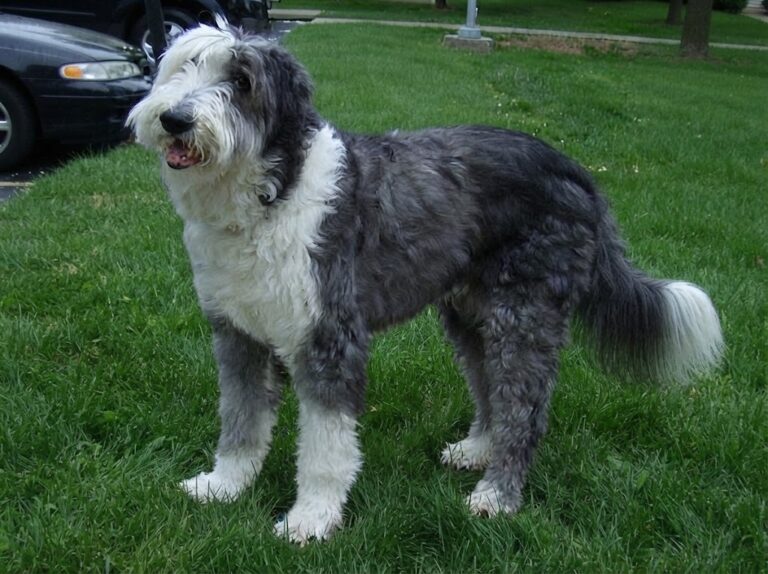
Swedish Lapphund Breed: The Complete Guide for Active Owners
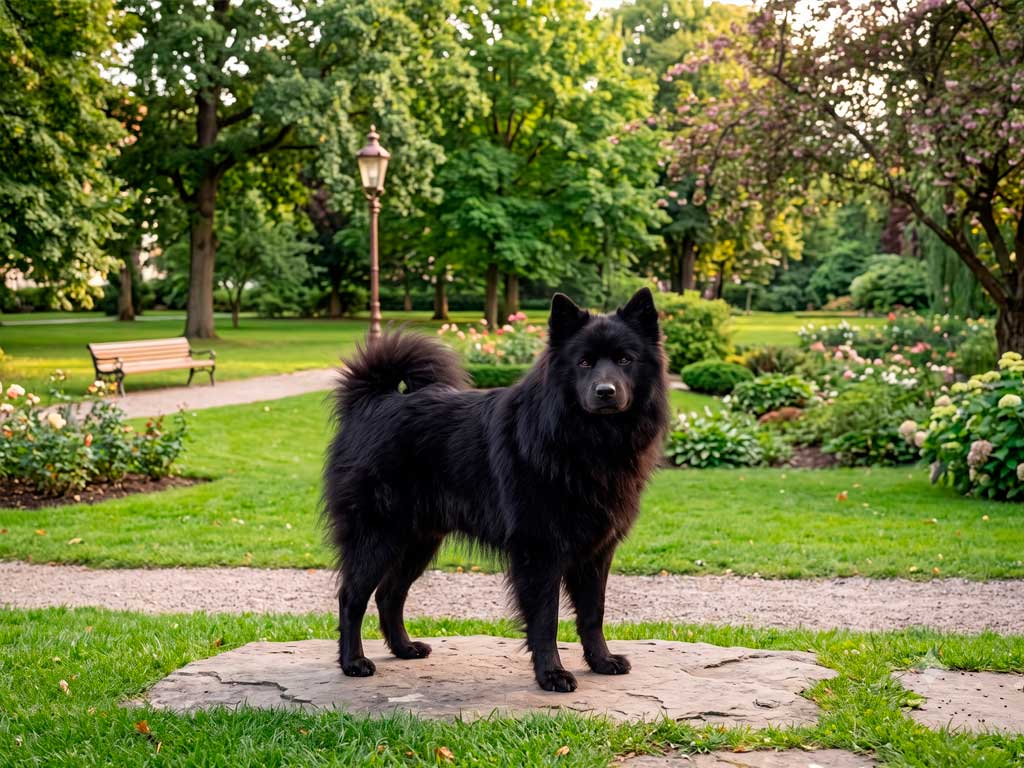
Considering a Swedish Lapphund for your family? You’re looking at Sweden’s national dog and one of the oldest breeds in existence, with roots stretching back thousands of years. This guide covers origin, temperament, exercise needs, and health so you know exactly what to expect. Drawing on official breed standards and hands-on pet care expertise, we’ll walk through every essential detail. Let’s start with where this remarkable Spitz-type breed comes from.
History and Origin
The Swedish Lapphund ranks among the oldest dog breeds alive today. Archaeologists have uncovered remains of a similar dog in Sweden dating back roughly 7,000 years.
Originally bred for hunting, this versatile dog later became essential to the nomadic Sami people of Lapland, who used it to herd reindeer and guard their camps. As Sami communities shifted from hunting toward herding, the breed adapted easily to its new working role.
Interestingly, selective breeding shaped this dog’s vocal nature for a specific purpose. Barking helped scare off predators and alert the Sami, but it also served another function: reassuring reindeer that the noisy approaching figure was their guardian, not a threat. Today, the Swedish Lapphund holds the distinction of being the oldest of Sweden’s nine native breeds and serves as the country’s national dog.
Physical Characteristics
The Swedish Lapphund is a medium-sized dog with classic Spitz features, including a dense, coarse coat, a bushy tail that curls over the back, and upright ears. Its rectangular body runs longer than it stands tall.
Coat colors include bear brown, black, or a combination of brown and black. Adult males stand between 18 and 20 inches tall, while females measure 16 to 18 inches.
Weight typically falls between 42 and 46 pounds for a healthy adult, giving this breed a sturdy, well-balanced frame suited for cold-weather endurance.
Temperament and Personality
The Swedish Lapphund brims with energy while staying alert, friendly, and deeply loyal. Its natural tendency to bark makes it an excellent watchdog, always ready to sound the alarm.
This breed genuinely dislikes being separated from its loved ones. Strong protective and herding instincts run deep, so owners who can dedicate real time and attention will find this dog an incredibly grateful companion.
Care Guide
Diet and Nutrition
Your dog’s diet should include the proper balance across all major nutrient groups, along with constant access to fresh water. Regular check-ins help keep this active breed at a healthy weight.
Feed twice daily, following the guidelines specific to your chosen formula. Consistency here supports steady energy for a breed built for sustained outdoor activity.
Exercise Requirements
The Swedish Lapphund needs at least one hour of daily exercise, preferably more. This active, highly trainable breed genuinely excels in canine sports competitions.
Unsurprisingly, bad weather rarely bothers this dog, since it developed specifically for harsh winter climates. However, owners in warmer regions should watch closely for signs of overheating during hot weather.
Grooming Needs
This breed’s coat provides real protection against harsh weather, consisting of a dense undercoat beneath a coarser outer layer. The coat grows notably longer around the thighs, tail, chest, and neck ruff.
Thorough brushing a couple of times a week, reaching all the way through the undercoat, prevents knots and tangles from building up.
Training and Education
The Swedish Lapphund’s intelligence and eagerness to please make training genuinely enjoyable. This breed responds well to structured sessions and excels particularly in agility and obedience competitions.
Early socialization deserves real attention, given this breed’s strong barking and protective tendencies. Structured exposure to new people, sounds, and situations during puppyhood helps keep watchfulness balanced rather than excessive.
Owners should also work on managing vocal behavior early. Teaching a reliable “quiet” cue makes daily life considerably easier, especially for those in close-knit neighborhoods.
Health and Longevity
The Swedish Lapphund typically lives around 12 years. Overall, the breed stays healthy, though hereditary eye disorders and hip dysplasia can occasionally appear.
Responsible breeders screen for both hip and eye issues before breeding. If you’re buying from a breeder, ask directly about these health clearances.
This article is for general educational purposes only and doesn’t replace professional veterinary advice. Always consult your veterinarian about your dog’s specific health needs.
Is This the Right Dog for You?
The Swedish Lapphund suits owners with some prior dog experience who can commit to daily exercise and genuine companionship. Active households that enjoy dog sports and cooler climates will likely get the most out of this ancient breed.
On the other hand, anyone bothered by frequent barking or living in a consistently hot climate should think carefully first. This breed’s vocal nature and cold-weather build come as part of the package.
Frequently Asked Questions (FAQs)
Is a Swedish Lapphund a good family dog? Yes, for families willing to supervise interactions with young children and provide the daily attention this breed craves.
How much does a Swedish Lapphund shed? Expect moderate shedding year-round, with heavier seasonal blowouts requiring more frequent brushing during those periods.
Do Swedish Lapphunds bark a lot? Yes, this trait was intentionally bred into the breed for herding and guarding purposes, making early training around barking valuable.
Can a Swedish Lapphund handle warm climates? Not particularly well. This breed developed for cold Nordic winters, so owners in hot regions should watch closely for overheating.
What was the Swedish Lapphund originally bred for? Hunting reindeer, elk, foxes, and birds, before the Sami people adapted the breed for reindeer herding and camp guarding.
Start with a solid exercise routine and early socialization around barking. Both set the foundation for a genuinely happy, well-adjusted Lapphund. For more Nordic and herding breed guides, check out our Maremma Sheepdog and Shetland Sheepdog articles at Happy Pet Zone.