Yorkshire Terrier: The War Hero Who Became First Therapy Dog
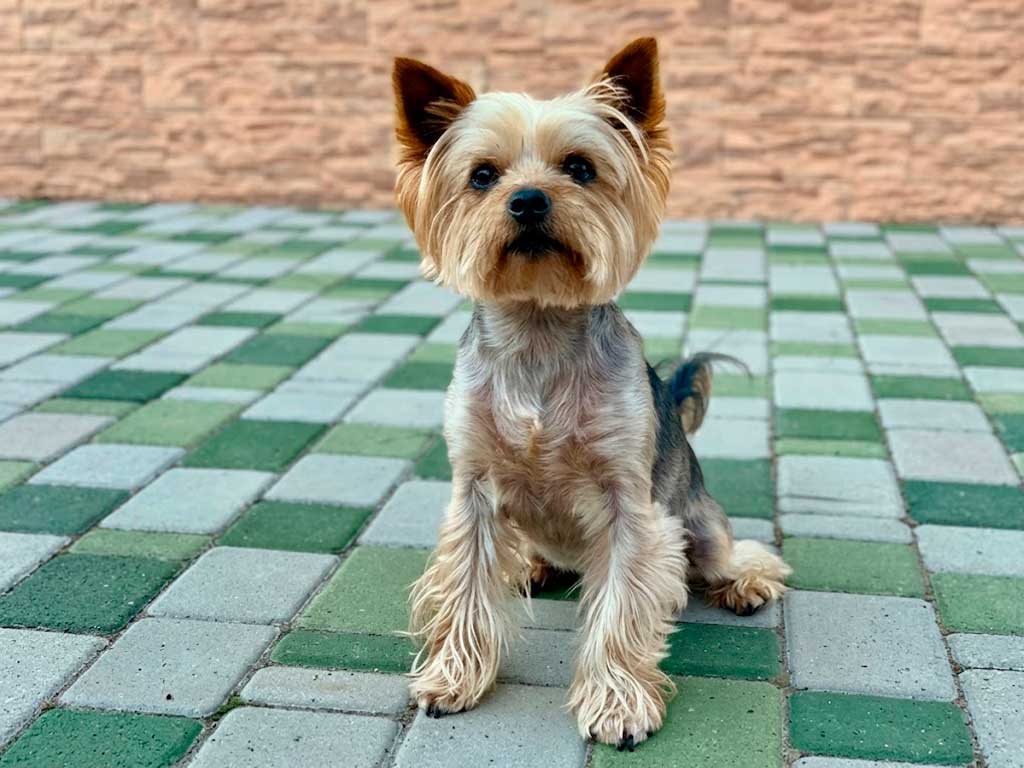
A Yorkshire Terrier dog breed named Smoky flew 12 combat missions with the U.S. Army Air Force during World War II and earned eight service stars along the way. After the war, she became the first documented therapy dog in history, visiting wounded soldiers in hospital wards. That’s a genuinely remarkable resume for a dog that weighs about as much as a bag of sugar.
Smoky’s story captures something true about this breed: big personality, tiny package. Here’s what’s worth knowing before you bring one home.
What Makes the Yorkshire Terrier Unique
This breed traces back to Scottish weavers who migrated to Yorkshire and Lancashire around 1850, bringing small terriers with them that crossbred with local varieties. Trust me on this one: this breed’s job history is genuinely gritty for something so small. It was bred to hunt rats in coal mines, small enough that miners literally carried them in their pockets.
The ancestry runs deep, likely including the Manchester Terrier, Maltese, Skye Terrier, Dandie Dinmont Terrier, and the now-extinct Paisley Terrier. And here’s a fun record: the smallest dog ever documented was a Yorkshire Terrier standing just 2.4 inches tall.
Common Challenges and How to Handle Them
Big Dog Energy in a Tiny Body
Here’s the thing — this breed genuinely doesn’t know it’s small. It’ll confront a much larger dog without hesitation, a real terrier trait that shows up regardless of size. Keep this breed leashed around unfamiliar dogs, since its confidence can outpace its actual ability to defend itself.
Dental Crowding
That tiny mouth genuinely struggles to fit all its teeth properly, leading to crowding and a higher risk of cavities. Daily brushing isn’t optional here, it’s a real necessity for this breed’s long-term health.
Daily Care Essentials
Diet and Nutrition
Small companion breeds burn energy fast and have tiny stomachs, so smaller, more frequent meals work better than one or two big feedings. Food formulated for small breeds is worth considering, since the kibble size and nutrient ratios fit this kind of dog. Our full nutrition guide covers the fundamentals.
Exercise Requirements
At least half an hour of daily exercise keeps this breed healthy, though it genuinely enjoys walking for miles if you let it. Don’t mistake this for a purely decorative lapdog, either — it loves running, fetching, and real playtime, especially when there’s a scent trail to follow.
Grooming Needs
Daily brushing and combing keeps that fine, human-hair-like coat free of tangles, and the topknot needs to come down and be redone during each session. Check the fur around the tail for any residue after bathroom breaks, and expect grooming to take about 15 minutes once you’ve got the routine down.
Health Considerations
Most health issues in this breed trace back to extreme breeding practices. Common concerns include eye problems, patellar luxation, a specific thigh bone disorder, bladder stones, tracheal issues, and a congenital liver condition.
This isn’t meant as medical advice, just a heads-up worth knowing before you commit. Ask breeders about their health screening practices, and avoid supporting anyone who pushes extreme traits without regard for the dog’s wellbeing. With good care, this breed often lives well into its teens.
Frequently Asked Questions
Was there really a Yorkshire Terrier war hero?
Yes. Smoky flew 12 combat missions with the U.S. Army Air Force in World War II and later became the first documented therapy dog, visiting wounded soldiers in hospitals.
Is the Yorkshire Terrier hypoallergenic?
It’s often considered a strong option for allergy sufferers, since the coat sheds minimally, though no dog is completely hypoallergenic.
How much exercise does a Yorkshire Terrier need?
At least half an hour daily, though this breed happily walks much further if given the chance, especially with an interesting scent to follow.
Is the Yorkshire Terrier good with other dogs?
It can stand up to much larger dogs without hesitation, so supervision and leash control matter, especially around unfamiliar dogs in public.
Final Verdict: Is It a Good Fit?
A Yorkshire Terrier suits an owner who wants a devoted, spirited small companion and is prepared for daily brushing, dental care, and a personality far bigger than the dog’s actual size. If you want a purely decorative dog with zero terrier attitude, this breed will likely surprise you.
Curious about other spirited terriers with real history? The Irish Terrier, Scottish Terrier, and Skye Terrier all share ancestry ties or similar bold personalities worth comparing. Browse the full dog breed library or try the Dog Breed Quiz to keep exploring.