Cesky Terrier: Built From Two Other Terriers
This dog is born the wrong color, and stays that way for almost two years. Every Cesky Terrier puppy starts out black, and nobody, not even the breeder, can say for certain what shade of gray it’ll eventually turn into. That’s just one quirk in a breed built from two completely different terriers on purpose.
I’ve worked with a few, and they’re calmer than most terriers I’ve handled, though the stubborn streak is still very much intact. Here’s what makes this one different.
What Makes the Cesky Terrier Unique
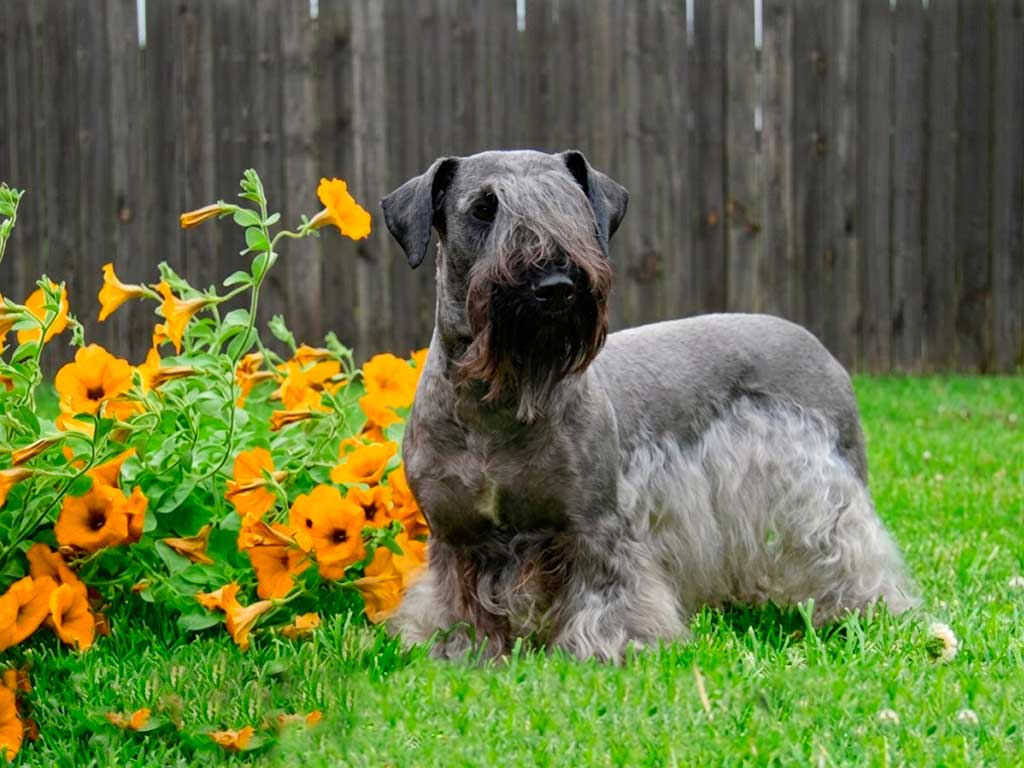
Every Cesky Terrier is born black. Over roughly the first two years of life, that coat fades and shifts, sometimes passing through a striped or brindled phase, before settling into its adult color of blue-gray or, rarely, light brown.
Here’s the interesting part: brown puppies have pink, flesh-toned skin, which lets breeders guess their adult color early. Gray puppies have blue-black skin instead, and their final shade genuinely can’t be predicted until it happens.
This is a small-medium dog with short legs, standing around 11 inches at the shoulder and weighing 13 to 22 pounds. It doesn’t look like a typical wiry terrier, and that’s intentional.
Where This Breed Came From
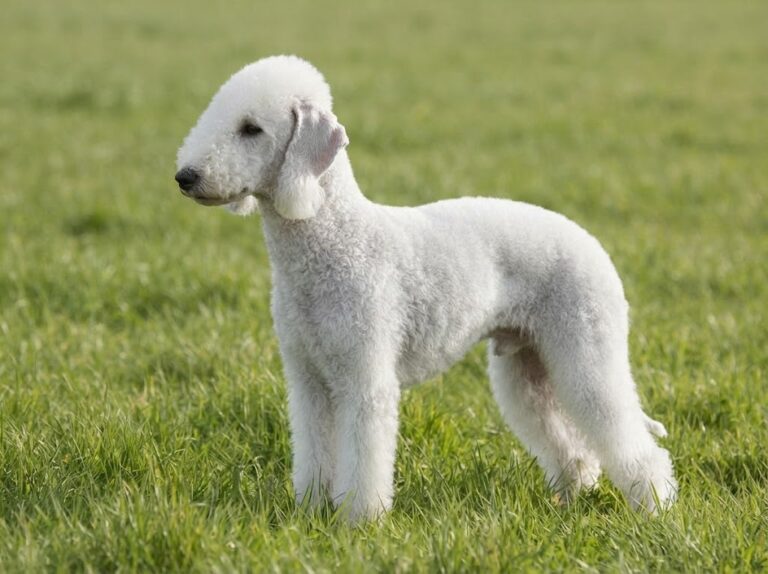
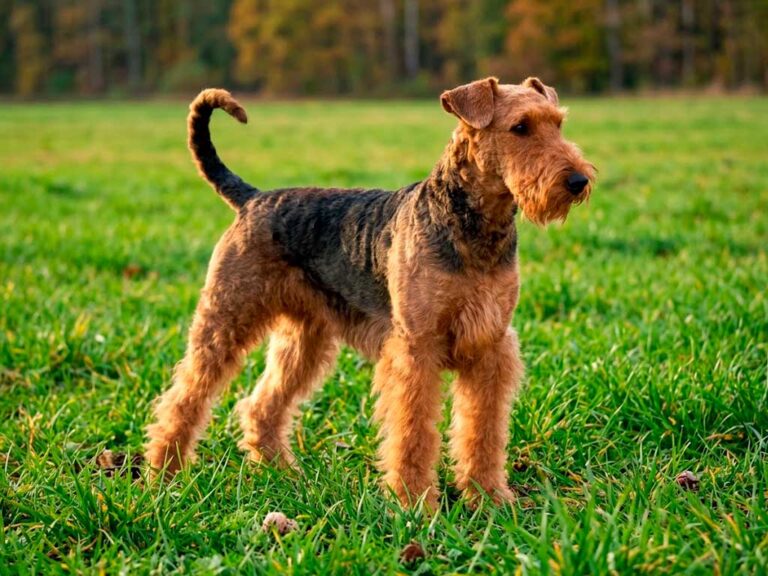
The Cesky Terrier is the national dog of the Czech Republic, and it’s a genuinely young breed. František Horák, a breeder and geneticist, created it in 1949 by crossing a Scottish Terrier with a Sealyham Terrier.
Horák was an avid hunter, and he wanted something smaller and more capable than either parent breed: a dog that could hunt in packs above ground and still fit into burrows below it. The result was used on foxes, rabbits, and even wild boar.
That mixed heritage still shows. The calmer, more biddable temperament leans toward the Sealyham side of the family, while the coloring and some of the structure echo the Scottish Terrier half.
Common Challenges and How to Handle Them
This breed can be genuinely reserved with strangers, even while staying warm and affectionate with people it already knows. Early exposure to new people helps, though don’t expect the instant friendliness some breeds show.
Trust me on this one: the hunting instinct is still sharp under that calmer exterior. This dog is agile, tough, and built for endurance, and it needs an outlet for that energy or it’ll find one on its own.
Stubbornness shows up here too, same as with most terriers. Give it time and the right motivation, and this breed proves surprisingly versatile, including in obedience and agility competition.
A few things that help:
- Start socialization early, since the reserved streak with strangers is easier to soften in puppyhood.
- Keep training sessions short and rewarding. This breed responds better to motivation than to repetition.
- Give the hunting instinct a job, through scent work or agility, rather than letting it go unused.
- Practice recall consistently before relying on it in open, unfenced spaces.
Daily Care Essentials
Exercise
Plan on about an hour of activity a day. Those hunting instincts can surface fast on an off-leash walk, so a reliable recall matters before letting your dog loose in open, public spaces.
Grooming
Here’s genuinely good news for a terrier: this coat needs real maintenance, but not the hand-stripping most terriers require. Trim it every six to eight weeks and brush at least weekly, paying extra attention to the longer hair on the face, legs, and belly.
Feeding
Small dogs burn through energy fast and can’t hold much food at once, so smaller, more frequent meals beat one large bowl. A small-breed formula, sized for smaller mouths, makes chewing and digestion easier too.
Health Considerations
Here’s more good news: this is generally a healthy breed. The main condition worth knowing about is patellar luxation, a kneecap that can temporarily slip out of place, which shows up in plenty of small breeds.
I’m a trainer, not a vet, so treat this as general awareness rather than a diagnosis. Any signs of limping or discomfort are worth a real conversation with your veterinarian.
Frequently Asked Questions
What color will my Cesky Terrier puppy end up?
There’s no way to know for certain with a gray-coated puppy until the color finishes settling, usually around age two. Brown puppies, which are much rarer, can sometimes be identified earlier based on skin tone.
How is the Cesky Terrier related to the Sealyham Terrier?
Directly. The breed’s creator crossed a Scottish Terrier with a Sealyham Terrier in 1949 to develop the Cesky. If you’re curious about one half of that lineage, our Sealyham guide covers it in full.
Do Cesky Terriers need to be hand-stripped like other terriers?
No, and that’s one of the breed’s bigger selling points. Regular trimming and brushing covers the coat, without the specialized stripping many terrier breeds require.
Are Cesky Terriers good with kids?
Generally yes, especially with people the dog already knows well. Purina notes this breed may need extra supervision with young children, mostly due to size and energy rather than temperament.
Is the Cesky Terrier a rare breed?
Yes, genuinely. It’s a relatively young breed with a small global population, so finding a breeder often takes patience.
How long do Cesky Terriers live?
Typically 12 to 15 years, which is a solid lifespan even before factoring in the breed’s generally good health.
Final Verdict: Is It a Good Fit for You?
This breed fits owners who want a small terrier with real working instincts, a calmer baseline temperament than most terriers, and a genuine curiosity about a dog that looks different at two than it did at two months. It’s not the right choice for anyone who wants an instantly friendly dog with strangers.
Curious about the breeds behind this one? Our Sealyham Terrier guide covers half of the Cesky’s lineage in detail. Not sure this is the right breed at all? Our Dog Breed Quiz can help you compare it against other options based on your home and lifestyle.