Sealyham Terrier: A Rare Breed With a Wild History
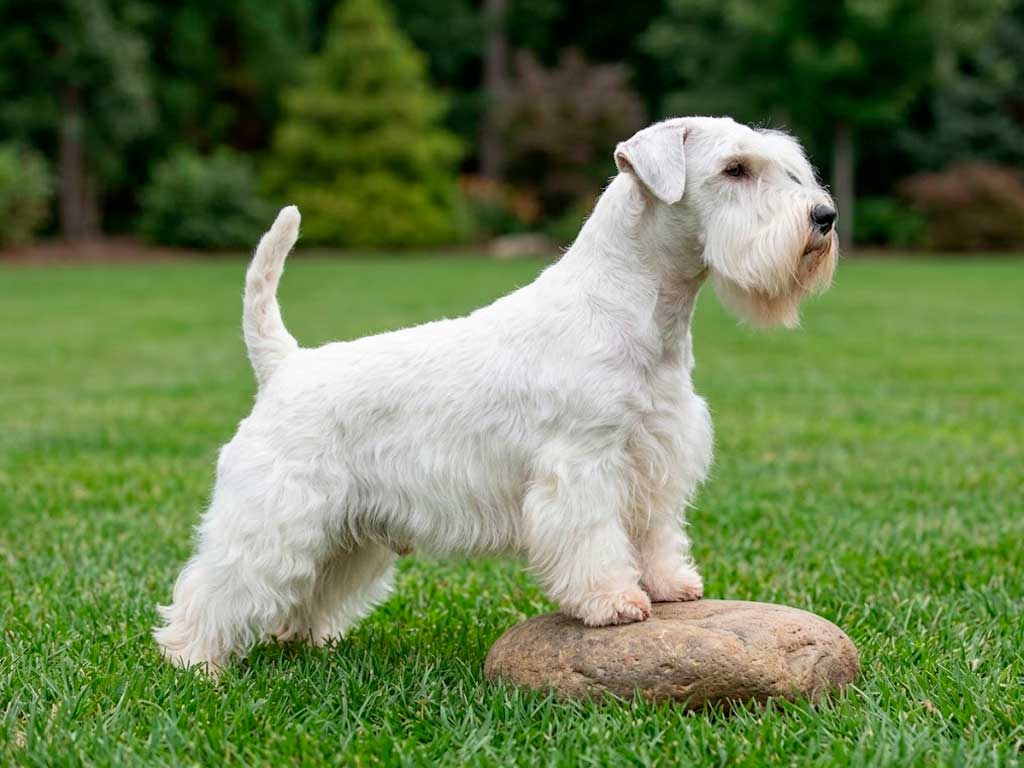
The Sealyham Terrier is a small, sturdy Welsh breed known for its white, wiry coat, confident personality and strong hunting instincts. It can make a devoted companion, but future owners should be ready for regular grooming, consistent training and a dog that likes to make its opinions known.
Originally developed to work underground while hunting quarry, this terrier has plenty of determination packed into a compact body. Its size may suit apartment living, yet it still needs daily activity, mental stimulation and thoughtful socialization.
If you’re researching Sealyham Terrier puppies, comparing the breed with other terriers or simply curious about its history, this guide covers the details that matter before bringing one home.
Sealyham Terrier at a Glance
- Origin: Pembrokeshire, Wales
- Breed group: Terrier
- Height: Around 10.5 inches at the shoulder under the American Kennel Club standard
- Weight: Roughly 18–24 pounds, depending on sex and the breed standard used
- Coat: Weather-resistant double coat with a hard, wiry outer layer
- Typical colors: White, sometimes with lemon, brown, blue or badger markings on the head and ears
- Life expectancy: Approximately 12–14 years
- Temperament: Alert, confident, affectionate and independent
- Exercise: Daily walks, play and opportunities to explore safely
- Grooming: Regular brushing, coat maintenance and professional trimming or hand-stripping
- Best suited to: Owners who enjoy an intelligent terrier and can provide consistent care
Breed standards differ slightly between kennel organizations, particularly on ideal weight. For formal measurements, consult the AKC Sealyham Terrier profile and the United Kennel Club breed standard.
The Welsh Terrier With a Working Past
The Sealyham Terrier was developed during the 19th century by Captain John Edwardes on the Sealyham estate in Pembrokeshire, Wales. He wanted a compact, powerful dog capable of following quarry underground and working alongside hounds.
Its short legs, substantial body and strong jaws suited that demanding job. The predominantly white coat also helped distinguish the dog from the animals it pursued in the field.
The exact combination of breeds used to create the Sealyham is uncertain because Edwardes did not leave complete breeding records. Historical accounts suggest that several terrier and other working breeds contributed to its development.
The breed later became popular beyond the Welsh countryside. During the early 20th century, Sealyham Terriers attracted attention in show rings and among well-known owners. Alfred Hitchcock kept Sealyhams, and two appeared in his 1963 film The Birds.
Their numbers eventually declined as other breeds became more fashionable. The Midland Sealyham Terrier Club’s breed history explains the breed’s origins and the efforts enthusiasts have made to preserve it.
That history helps explain why a Sealyham can look like a charming companion while retaining the instincts of a working terrier.
Temperament: What Living With a Sealyham Is Like
A Sealyham Terrier is typically confident, alert and affectionate with familiar people. Many enjoy being involved in household life and can be entertaining companions, especially for owners who appreciate an independent dog.
Expect a watchdog, not a silent housemate. Sealyhams are alert to unfamiliar sounds and activity. They may bark at visitors, passing dogs or movement outside a window. Teaching a reliable quiet cue can help, although training will not remove every instinctive response.
Give that terrier brain something to do. Scent games, short training sessions, food puzzles and supervised exploration can keep a Sealyham occupied. Without enough stimulation, digging and nuisance barking may become regular habits.
Respect its hunting instincts. A squirrel or rabbit can quickly become more interesting than the person holding the leash. Practice recall in controlled settings, and use a secure lead or enclosed area wherever wildlife may trigger chasing.
Introduce other animals carefully. Early, positive exposure to different dogs, people and everyday situations helps build confidence. Some Sealyhams may struggle with unfamiliar dogs or smaller pets, especially when their prey drive is triggered. Individual temperament and previous experience matter, so introductions should be gradual and supervised.
A well-socialized Sealyham can be a loving family companion. Still, every interaction with young children should be supervised, and children should be taught to respect the dog’s space, food and resting areas.
Size, Appearance and Coat
The Sealyham Terrier has a distinctive silhouette: a strong, relatively low-set body, short legs, a broad head and abundant facial furnishings. Its eyebrows and beard give it an expressive appearance that many owners find unmistakable.
The coat consists of a soft, dense undercoat and a hard, weather-resistant outer coat. Most dogs are predominantly white, although some have colored markings on the head or ears.
The coat’s appearance depends heavily on maintenance. A properly cared-for Sealyham has a crisp, wiry texture, while neglected hair can become tangled and hide dirt close to the skin.
The breed is often described as a low-shedding dog. That can mean less loose hair around the house, but it does not make a Sealyham hypoallergenic. Allergens can come from dander and saliva as well as hair.
If allergies are a concern, spend time around the breed before committing to a puppy. No dog can be guaranteed to cause no allergic reaction.
Grooming: The Coat Needs a Real Routine
Sealyham Terrier grooming takes more effort than the breed’s compact size might suggest. The coat can mat, particularly around the legs, beard and other areas where furnishings rub together.
- Brush and comb every two or three days. Work through the coat carefully, checking behind the ears, under the legs and around the beard. Small tangles are easier to remove before they tighten into mats.
- Choose a coat-maintenance method. Hand-stripping removes dead outer-coat hair and helps preserve the traditional wiry texture. It requires technique, so owners interested in the show coat should ask an experienced groomer or breeder for guidance. Many pet Sealyhams are clipped instead, which is often simpler to maintain.
- Keep the face clean. Food residue and moisture can collect around the beard. A gentle wipe after meals can help keep the facial hair cleaner, particularly on a white dog.
- Check the ears and eyes. The breed’s facial hair and ear shape make regular checks worthwhile. Ask your veterinarian or groomer to show you a safe cleaning routine rather than putting products or tools deep into the ear canal.
- Trim nails and check the feet. Short legs bring the coat close to wet grass, mud and debris. Inspect the paws after outdoor walks and dry the dog thoroughly when necessary.
Bathing frequency depends on the dog’s lifestyle and coat condition. The AKC suggests bathing approximately every three to four weeks as a general guideline, but a groomer can help you adjust the schedule.
If you want the classic Sealyham look, ask a breed-experienced groomer about hand-stripping before choosing a regular clipping routine.
Exercise and Everyday Enrichment
A Sealyham Terrier usually enjoys a mix of walks, play and opportunities to investigate its surroundings. It doesn’t need a huge property, but it does need more than a quick trip outside to do its business.
- Walks that allow time for sniffing and exploration.
- Short games of fetch or tug, provided the dog enjoys them.
- Scent work and food puzzles that encourage problem-solving.
- Brief training sessions that reinforce useful household skills.
- Secure outdoor play where chasing wildlife is less likely to become a problem.
Adjust activity to your dog’s age, fitness and health. Puppies need age-appropriate play and rest rather than forced endurance exercise. Older dogs may prefer shorter outings spread throughout the day.
Warm weather deserves particular attention. A Sealyham’s coat and compact build can make hot conditions uncomfortable, so plan outdoor activity for cooler parts of the day, provide shade and fresh water, and stop if your dog shows signs of overheating.
A secure fence is important if the dog has access to a yard. Its hunting background can make an interesting scent more tempting than a familiar recall cue.
Training a Sealyham Terrier
Sealyhams are intelligent, but intelligence does not always mean immediate cooperation. A dog that was bred to work independently may question a request before deciding whether it is worth following.
Keep training clear, rewarding and consistent. Positive reinforcement helps the dog learn which behaviors earn something valuable, whether that is a treat, a toy or access to an enjoyable activity.
- Recall: Practice in quiet, controlled settings before adding distractions. Use a long line where appropriate, and do not rely on recall alone near roads or wildlife.
- Calm greetings: Reward four paws on the floor and quiet behavior when visitors arrive. Ask guests to follow the same routine so the dog receives consistent feedback.
- Handling and grooming: Briefly touch the paws, ears and beard while offering rewards. Gradual practice can make brushing, nail care and veterinary examinations less stressful.
- Settling at home: Teach the dog to relax on a mat or bed after exercise. This gives an active terrier a predictable way to switch off indoors.
- Resource manners: Feed in a quiet place and avoid disturbing the dog while it eats. If you notice growling, snapping or guarding around food or objects, consult a qualified reward-based trainer or veterinary behavior professional. Do not punish warning signals.
Short sessions often work better than long drills. End while the dog is still engaged, then return to the skill later.
Health Considerations for Sealyham Terriers
Sealyham Terriers are generally sturdy dogs, but no breed is free from inherited or age-related health problems. Responsible breeders should understand the health history of their lines and be willing to discuss screening results.
- Primary lens luxation (PLL): This inherited eye condition involves displacement of the eye’s lens. Ask a breeder about appropriate DNA testing and eye examinations for breeding dogs. A sudden change in vision, a painful red eye or cloudiness warrants urgent veterinary assessment.
- Canine degenerative myelopathy: The Midland Sealyham Terrier Club identifies this as one of the breed-related disorders of concern. It is a progressive neurological condition, and the significance of genetic testing depends on the dog’s background and veterinary guidance.
The AKC also recommends an ophthalmologist evaluation and a DNA test for primary lens luxation through the breed’s health recommendations.
Before choosing a puppy, ask the breeder which tests have been completed, request documentation and discuss any family history of eye or neurological disease. A general statement that the parents are “healthy” is less useful than clear records.
For an adult dog, routine veterinary examinations, dental care, appropriate weight management and prompt attention to new symptoms remain important. This guide cannot diagnose an individual dog, so discuss specific concerns with your veterinarian.

Happy Pet Zone may earn a commission when you click through to Lemonade, at no extra cost to you.
Feeding a Sealyham Terrier
A Sealyham Terrier needs a complete and balanced diet suited to its age, body condition and activity level. Its compact frame makes portion control important: even a modest amount of extra food can add up over time.
Choose a food that meets recognized nutritional standards for the dog’s life stage. Measure meals rather than estimating portions, and include training treats in the daily calorie total. Your veterinarian can help determine a suitable weight range and feeding amount.
Fresh-cooked food is another option some owners prefer to consider. JustFoodForDogs offers fresh-cooked dog food options and is worth comparing if you are interested in that feeding style.

FROM JUSTFOODFORDOGS
Just Fresh
Resealable meals. No preservatives. Open, serve, refrigerate.
Shop Just FreshHappy Pet Zone may earn a commission when you click through to JustFoodForDogs, at no extra cost to you.
Before switching, check that the specific recipe is complete and balanced for your dog’s life stage. Review storage instructions, serving requirements and the full cost of feeding. A fresh-food diet can be more expensive or require more planning than some conventional options.
Change foods gradually unless your veterinarian advises otherwise. If your Sealyham has digestive problems, food allergies or another medical condition, ask your veterinarian before selecting a therapeutic diet or making a major dietary change.
For more help comparing feeding options and building a suitable routine, read our complete dog nutrition guide.
Sealyham Terrier Puppies for Sale: Finding a Responsible Breeder
Because the Sealyham Terrier is uncommon, finding available puppies may take time. A long wait is not necessarily a bad sign; a responsible breeder may plan litters carefully rather than always having puppies available.
When researching Sealyham Terrier puppies for sale, look for a breeder who:
- Shares health screening results and explains what the tests mean.
- Lets you ask questions about temperament, socialization and the parents’ health.
- Provides veterinary records, vaccination and parasite-treatment information appropriate to the puppy’s age.
- Explains the sales contract, return policy and ongoing support.
- Raises puppies in a suitable environment and introduces them gradually to normal household sights and sounds.
- Does not pressure you to pay quickly or promise that every puppy will have a particular adult temperament.
Avoid choosing a puppy based only on photographs or a low advertised price. Request a live conversation, verify the seller’s identity and review the documentation before paying a deposit.
You may also contact established breed clubs for breeder referrals or information about rescue and rehoming. The Midland Sealyham Terrier Club provides breed information and links to relevant club resources.
How Much Does a Sealyham Terrier Cost?
There is no single reliable price for every Sealyham Terrier. The amount depends on your country, the breeder, health testing, pedigree, availability and transport costs.
Because the breed is rare, you may need to join a waiting list or travel to meet a suitable breeder. Ask for an itemized explanation of the price rather than comparing advertisements alone.
Remember to budget for ongoing expenses as well. Food, routine veterinary care, insurance where available, grooming, training and equipment can cost considerably more over the dog’s lifetime than the initial purchase.
A rescue or rehoming organization may have a different adoption fee structure, although suitable Sealyhams can be difficult to find. Patience is usually more useful than rushing into a purchase.
Is a Sealyham Terrier Right for Your Home?
A Sealyham Terrier may suit you if you want a small but sturdy companion, enjoy teaching an independent dog and can keep up with coat care. It can adapt to different living arrangements when its exercise, enrichment and training needs are met.
Think carefully if you want a dog that rarely barks, requires little grooming or can safely be trusted off-leash around wildlife. The Sealyham’s working instincts are part of its appeal, but they also require thoughtful management.
If you are comparing breeds, our guides to the Wire Fox Terrier and Dandie Dinmont Terrier offer useful points of comparison. You can also explore our dog breed guide collection to consider other dogs that may fit your lifestyle.
Before you contact a breeder, write down your expectations for barking, grooming, exercise and training. That simple check can help you decide whether this distinctive Welsh terrier is the right match.