
Canaan Dog: Israel’s Ancient Survivor Breed
The Canaan Dog is one of the few truly natural breeds still around today, shaped by survival rather than a breeding program. This guide breaks down its temperament, care needs, and history so you know exactly what you’re getting into.
Unlike most companion breeds, this dog spent thousands of years fending for itself in the desert before humans brought it back into the fold. That wild streak still shapes how it behaves at home, and prospective owners need to understand it before adopting.
Read on for a clear picture of what daily life looks like with a Canaan Dog by your side.
History and Origin
This ancient breed traces back to the Middle East, where it once herded and guarded livestock for the early Israelites. When those communities scattered, their dogs scattered too, and only the toughest individuals survived in the harsh terrain that followed.
Bedouin tribes later adopted some of these dogs to guard their camps and herds. In the 1930s, Israel needed a reliable dog to watch over isolated settlements, and this semi-wild survivor fit the role perfectly.
Excavations at an ancient dog cemetery in Ashkelon uncovered roughly 700 skeletons with an anatomy closely matching today’s Canaan Dog. That site dates back to the fifth through third centuries BCE, pointing to a lineage that predates most modern breeds by millennia.
Physical Characteristics
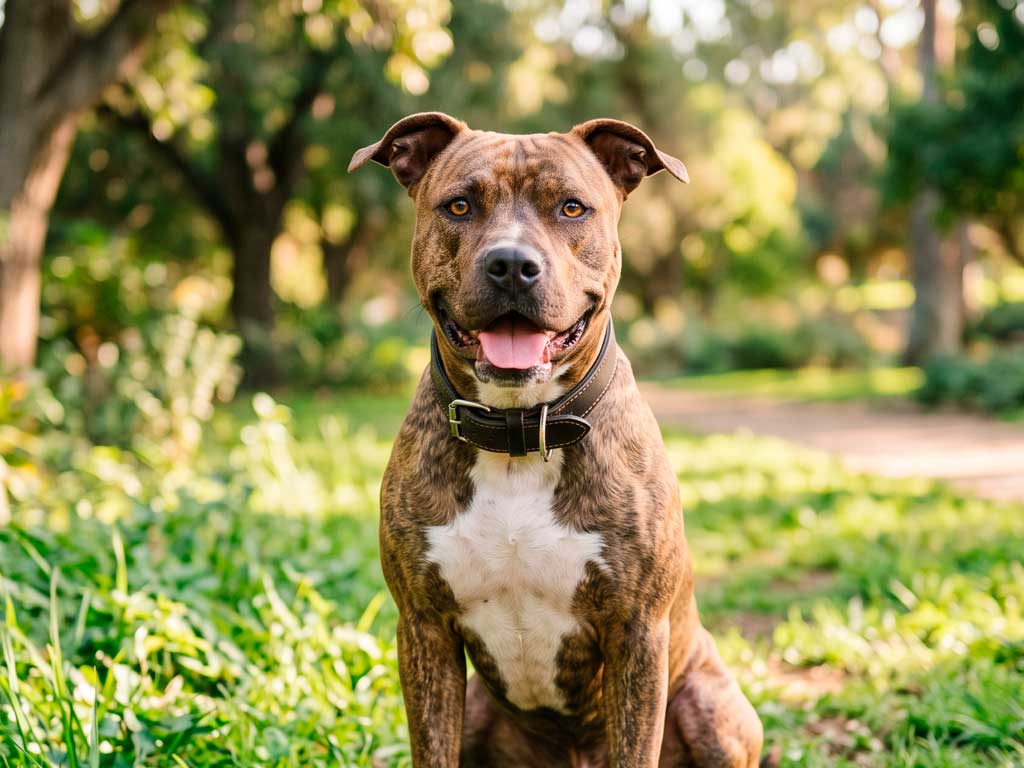
A wedge-shaped head and upright, Spitz-like build give this breed its alert, watchful look. When excited or on the move, its tail curls up over the back, and the coat stays short to medium in length, straight, harsh, and dense.
- Height: 20 to 24 inches at the shoulder
- Weight: 40 to 55 pounds
- Coat colors: sand, reddish brown, white, or black, often with spotting
- Life expectancy: 12 to 15 years
Temperament and Personality
A strong survival instinct still runs through this breed, making it independent and naturally wary of strangers. Territorial by nature, it protects its family fiercely without turning aggressive toward people it doesn’t know.
Other dogs are a different story. This breed can be scrappy with unfamiliar dogs, particularly ones of the same sex, so early socialization matters more here than with most breeds. Consistent exposure to new people, pets, and situations from puppyhood pays off for years to come.
Care Guide
Diet and Nutrition
Choose a complete, balanced diet built for a medium-sized, active breed, and split meals into two servings a day. Keep fresh water available at all times, particularly after exercise.
Follow the feeding guidelines on your dog’s food label as a baseline, then adjust based on body condition. Regular weigh-ins help you catch weight changes before they become a problem.
Exercise Requirements
Athletic and agile, this breed genuinely enjoys exercise and adapts to however much activity you provide. Still, plan on at least one solid run or vigorous walk every day to keep it satisfied.
Secure fencing matters more here than with many breeds, since that independent streak can translate into wandering if given the chance. A fenced yard or a leash on every outing keeps things safe.
Grooming Needs
Brush the coat weekly to keep it in good shape and control loose hair. During shedding season, the thick undercoat comes out in large amounts, so daily brushing works better during that stretch.
A slicker brush or an undercoat rake handles this coat type well. This breed is not considered hypoallergenic, so allergy sufferers should spend time with one before committing.
Training and Education
This breed does best with an experienced owner who understands independent, primitive breeds and stays patient through training. Harsh corrections tend to backfire, while calm, consistent, reward-based methods build trust over time.
Start socialization as early as possible, exposing your puppy to a wide range of people, animals, and environments. Extra training and supervision around other pets and young children go a long way toward a well-adjusted adult dog.
Health and Longevity
The Canaan Dog is generally a healthy breed with few issues specific to its line, a benefit of centuries of natural selection. Even so, responsible breeders still screen hips and eyes before breeding to keep the gene pool strong.
Ask to see those health clearances before choosing a puppy. This article provides general information only and doesn’t replace guidance from a licensed veterinarian, who can assess your dog’s specific health picture.
Is This the Right Dog for You?
This breed fits experienced owners who want a loyal, watchful companion and have the time to commit to serious socialization. First-time dog owners often struggle with its independence and wariness toward strangers.
Households with young children need to supervise interactions closely, and homes with other pets should plan for a careful, gradual introduction. Owners who enjoy an alert watchdog and don’t mind a bit of stubbornness will find a devoted companion in this ancient breed.
Frequently Asked Questions
Is the Canaan Dog good for first-time owners?
Generally, no. Its independent streak and wariness toward strangers call for an owner with prior experience handling primitive or strong-willed breeds.
How much exercise does a Canaan Dog need?
Plan for at least an hour of active exercise daily, such as a run or a brisk walk. This athletic breed adapts to more activity if you can offer it.
Is the Canaan Dog hypoallergenic?
No. This breed sheds, particularly during seasonal coat blowouts, so it isn’t a good match for households with significant allergies.
How long do Canaan Dogs live?
Most live between 12 and 15 years with proper nutrition, exercise, and routine veterinary care.
Are Canaan Dogs good with other dogs?
It depends heavily on socialization. Without early, consistent exposure, this breed can be scrappy with unfamiliar dogs, especially those of the same sex.
Curious how this ancient breed compares to other independent-minded dogs? Browse the full Dog Breeds hub or take the Dog Breed Quiz to find the breed that best matches your lifestyle.