Types of Pet Rabbits: A Complete Guide to Rabbit Breeds

My kids wanted a bunny for years before we finally got one. What surprised me was how many types there really are. There are around 49 recognized breeds in the US alone, and picking blind off a photo is how a lot of families end up with a rabbit that doesn’t fit their home.
This guide breaks rabbit breeds down by what actually matters when you’re choosing one: size, ear type, and coat. Those three things predict most of the care differences you’ll run into.
Once you’ve picked a breed, our Pet Rabbit Care Guide covers the basics that apply no matter which one you bring home: housing, diet, litter training, and spay/neuter timing.
Rabbit Breeds at a Glance
| Breed Group | Known For |
|---|---|
| Giant breeds | Calm temperament, big cages, shorter lifespan |
| Lop-eared breeds | Friendly, but prone to ear infections |
| Small and dwarf breeds | Cute, but often feisty and nervous |
| Long-haired breeds | Affectionate, but heavy grooming needs |
How to Choose: Size, Ears, and Coat Decide Almost Everything
Bottom line: before you fall for a specific breed name, figure out these three things.
- Size decides cage cost and lifespan. Bigger rabbits generally live shorter lives than small ones, and they need noticeably more space.
- Ear type decides a chunk of the vet bills. Lop-eared breeds trap wax and moisture in their folded ears, which means more ear infections than upright-eared rabbits.
- Coat decides your weekly workload. Short-haired breeds need occasional brushing. Wool breeds like Angoras need real grooming time or their coat mats and causes skin problems.
Giant and Large Breeds
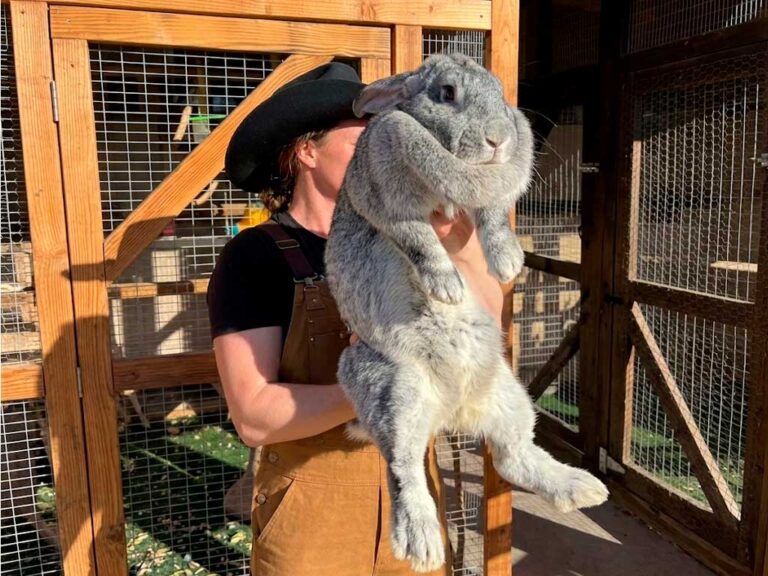
Flemish Giants can top 20 pounds, and other large breeds like the New Zealand White aren’t far behind at 9 to 12 pounds. They’re known for being surprisingly laid-back for their size, and most large breeds settle into a calm, easygoing routine once they’re past the bouncy baby stage.
Here’s what nobody tells you before you buy one: giant breeds need a genuinely large, solid-bottomed enclosure. Wire floors cause sore feet on a rabbit this heavy, and a cramped cage turns a naturally mellow breed anxious fast. Lifespan runs shorter than small breeds too, typically 5 to 8 years instead of 8 to 10. We cover this breed in full in our dedicated Flemish Giant care guide.
Lop-Eared Breeds: Watch the Ears
Holland Lop, Mini Lop, English Lop, and Dwarf Lop are some of the most popular pet rabbits out there, and for good reason. They’re friendly, food-motivated, and generally easygoing.
The tradeoff is health-related. Folded ears trap wax and moisture, which raises the odds of ear infections, and narrow ear canals in this group are linked to hearing problems too. Their skull shape also makes dental issues more common. English Lops specifically can overheat because of how little those huge ears let them regulate temperature.
We go deeper on this whole group, including ear care specifics, in our Holland Lop and Mini Lop Care Guide.
Small and Dwarf Breeds
Netherland Dwarfs, Polish, and other small breeds are the ones people usually picture as “cute.” Some, like the Netherland Dwarf, have a flat-faced (brachycephalic) skull shape, similar to a pug’s, which brings the same kind of dental and tear-duct problems that flat-faced dogs deal with.
Small doesn’t always mean easygoing. Several dwarf breeds have a reputation for being nervous or feisty until they’ve bonded with you, which takes real patience. Polish rabbits fall into this same small category and tend to be a bit calmer than a Netherland Dwarf, making them a gentler option for a household with kids.
Long-Haired Breeds: Angora, Lionhead, and Jersey Wooly
Angora rabbits carry a thick wool coat that needs regular brushing and periodic clipping. Skip that upkeep and the coat mats, which can lead to skin infections. Angoras also swallow more loose fur than other breeds during grooming, which raises their risk of gastrointestinal stasis, a genuinely dangerous digestive slowdown.
Lionhead rabbits, recognized as an official breed only in 2014, carry a mane of fluffy fur around the head. Like the Netherland Dwarf, they’re brachycephalic, so the same dental risks apply.
Their grooming needs, and how they compare to the low-maintenance Mini Rex, are covered in our Lionhead & Mini Rex Care Guide.
Full grooming routines, mat prevention, and what GI stasis looks like in practice are covered in our Angora Rabbit Care Guide.
Choosing the Right Rabbit: A Quick Checklist
- Can you offer a solid-bottomed enclosure big enough for the adult size, not just the baby size?
- Are you prepared for weekly grooming if you’re drawn to a wool or long-haired breed?
- Do you have an exotic vet nearby who treats rabbits, especially if you’re eyeing a lop-eared or brachycephalic breed?
- Are young kids in the house old enough to handle a rabbit gently and under supervision?
- Have you budgeted for spaying or neutering, which cuts down on territorial and aggressive behavior?
Breeder or Rescue?
A lot of rabbits at shelters and even pet stores are mixed breed, sometimes called “mutts,” and they can make wonderful pets even without a pedigree. If a specific breed matters to you, a breeder connected to a national or regional rabbit club is a safer bet than an unverified online listing.
Either way, ask about the parents’ temperament and any known health issues in the line before you commit.