Angora Rabbit Care: Why Grooming Comes First
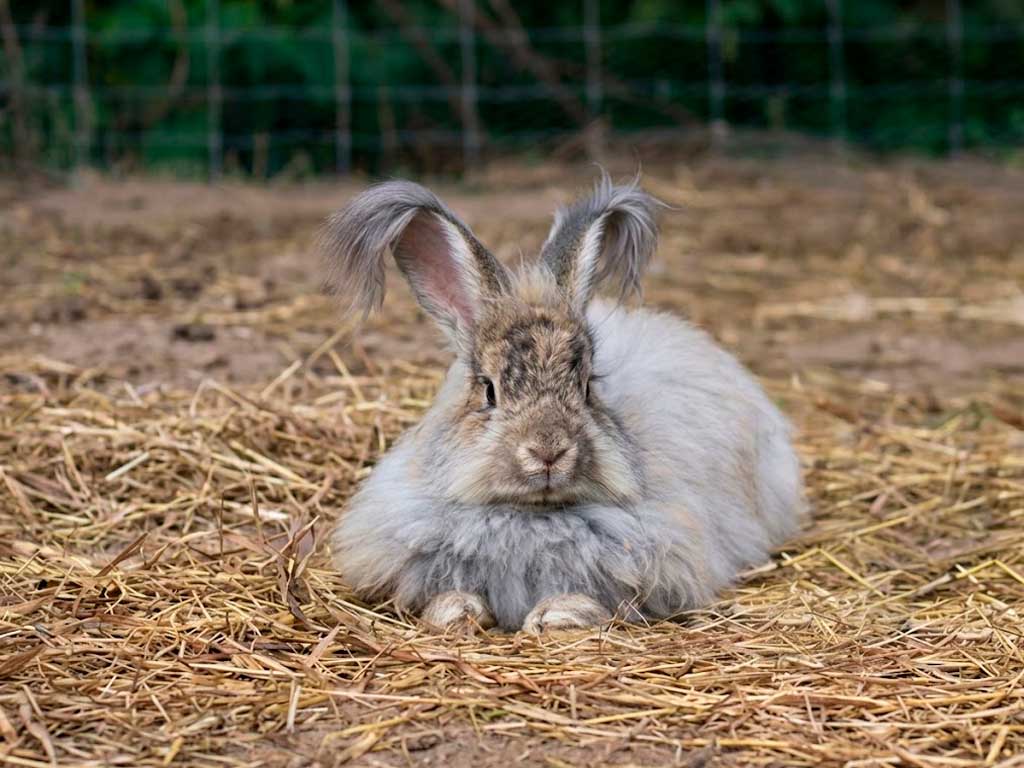
Angora rabbit care runs on a different clock than most breeds. That gorgeous wool grows about an inch a month, and if brushing slips for even a week or two, it mats fast. Everything else about these rabbits (diet, housing, health) still applies, but grooming is the part that decides whether this breed works for your household.
Here’s the quick version: expect several brushing sessions a week, a full shear or clip every three to four months, and daily hay to help prevent a dangerous condition called wool block. Skip any of that and problems show up fast.
English vs. French Angora: What’s the Difference?
Both breeds carry that signature wool coat, but they part ways on maintenance. English Angoras grow fur on their face and ears too, giving them that teddy-bear look, and that extra furnishing means more grooming, not less.
French Angoras tend to have a cleaner face and feet, which cuts down on tangles in those trouble spots. They also run a bit larger than English Angoras and grow their coat back faster after a trim.
| Trait | English Angora | French Angora |
|---|---|---|
| Grooming demand | High (face and ear fur too) | Medium (cleaner face and feet) |
| Typical size | Smaller | Larger |
Neither breed is truly low-maintenance. If your household is already stretched thin on time, this is worth weighing honestly before bringing one home.
Grooming: The Non-Negotiable Part of Angora Care
Plan on brushing two to three times a week at minimum, and daily during heavier shedding stretches. A slicker brush and a metal comb work through the undercoat without pulling on sensitive skin.
Every three to four months, the coat needs a full shear or clip. Angora skin is thin and tears easily, so a first-timer is better off booking a rabbit-experienced groomer or vet rather than reaching for scissors.
Keep it simple: if you notice a mat forming, work it out right away with your fingers or a comb before reaching for scissors near the skin. A small tangle today is a shaved patch next week if it’s ignored.
Wool Block: The Health Risk Unique to Angoras
Rabbits groom themselves constantly and swallow loose hair while doing it. On a shorthaired rabbit that’s rarely a problem, but an Angora’s sheer volume of fur raises the odds of that hair balling up and blocking the gut.
This condition, often called wool block, is really a form of GI stasis. A rabbit that stops eating or stops passing droppings needs a same-day vet visit, since it can turn fatal within a day or two.
Regular grooming pulls out loose fur before it gets swallowed, and a hay-heavy diet keeps the gut moving so that any hair that is ingested passes through normally. Those two habits are the real prevention here, more than any single product.
This section is general information, not a diagnosis. Always involve an exotic-animal vet if your rabbit’s eating or bathroom habits change.
Housing and Temperature
Angoras do fine indoors or outdoors, but outdoor hutches need to be secure from predators and shielded from direct sun. These rabbits handle temperatures roughly between 50°F and 75°F, and they overheat faster than a shorthaired breed once it climbs past that.
Wet fur is a real problem outdoors. Damp wool against the skin invites skin infections, and matted, dirty fur left outside raises the risk of flystrike, where flies lay eggs in the coat that hatch into maggots.
Indoor housing sidesteps most of this risk and makes daily coat checks easier besides. Unlike a lower-maintenance breed such as a Holland Lop, an Angora genuinely benefits from living somewhere you’ll notice a tangle or a soiled patch quickly.
What to Feed an Angora Rabbit
Hay comes first, and for an Angora it does double duty: normal digestion plus wool block prevention. Offer a pile roughly the size of your rabbit’s own body, refreshed at least twice a day.
Add dark leafy greens, roughly 1 cup per 2 pounds of body weight daily, plus about 1/4 cup of fortified pellets per 4 to 5 pounds. Fresh water should be available at all times, ideally from a bottle to avoid contamination from stray fur and bedding.
Treats stay occasional and low-sugar. A digestive supplement can help some Angoras, but it’s never a substitute for the hay itself.
Handling: Respect Their Space
Most Angoras genuinely don’t enjoy being picked up, more so than many other rabbit breeds. A startled rabbit that kicks or jumps out of your arms risks a spinal injury that can cause permanent paralysis.
When you do need to hold one, support the chest and hindquarters fully and keep the rabbit close against your body. Let the rabbit approach you on the floor first whenever possible instead of reaching in to grab it.
Kids should be taught to let the rabbit come to them, and supervised closely any time handling does happen. A calm, patient household suits this breed better than a busy one.
Other Health Issues to Watch
Fur around the eyes traps dirt and debris, which can lead to eye infections if it’s never trimmed back. A quick check and trim around the face during regular grooming sessions prevents most of this.
Ear tufts cause a similar problem: debris and wax get caught in the hair and build toward infection. Keep the fur trimmed short around the ear opening and do a weekly check for odor or discharge.
Dental issues follow the same pattern as any rabbit, since their teeth grow continuously. Plenty of hay and safe chew toys keep things worn down naturally.
Grooming and Care Checklist
- Every day: hay refreshed twice, fresh water, and a quick face and eye check.
- 2 to 3 times a week: a full brushing session, more often during heavy shedding.
- Weekly: an ear check for wax or odor, plus a look for any mats starting to form.
- Every 3 to 4 months: a full shear or clip, ideally with an experienced groomer or vet.