How to Take Care of a Rabbit: Complete Pet Rabbit Care Guide
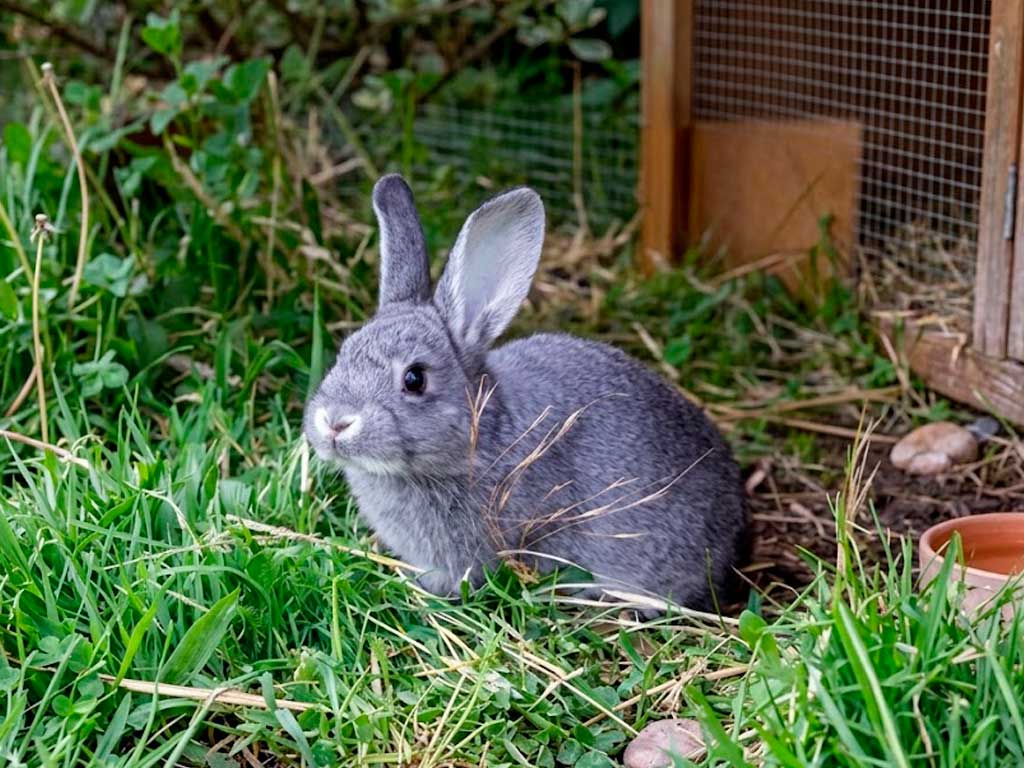
If your kids just brought home a rabbit from a friend’s litter or the local shelter, here’s what actually matters: how to take care of a rabbit comes down to four things, space, diet, litter habits, and knowing when something’s wrong. Get those right and most of the drama disappears.
This guide walks through all four, plus handling and the vet costs nobody mentions at the pet store.
Haven’t settled on a breed yet? Start with picking the right breed first, since giant, lop-eared, and long-haired rabbits each bring different care demands.
Bottom line up front: a healthy adult rabbit needs at least 8 square feet of solid-bottom floor space, a diet that’s mostly hay, a litter box in the corner they already prefer, and a spay or neuter appointment before six months old.
Setting Up the Right Home
A wire-bottom cage sounds practical. It isn’t. Wire floors cause sore, infected feet on rabbits, especially bigger breeds.
Go with a solid floor instead, whether that’s a proper rabbit hutch, a puppy playpen with a floor liner, or a converted dog crate. Line it with a towel, fleece, or safe bedding, and skip cedar or pine shavings entirely. Those oils irritate a rabbit’s lungs and skin.
Space matters more than most first-time owners expect. A cramped cage turns even a mellow rabbit anxious, and anxious rabbits chew, dig, and thump at night.
| Rabbit Size | Minimum Floor Space |
|---|---|
| Small/dwarf breed | 8 sq ft, plus daily exercise time |
| Large or giant breed | 12+ sq ft, plus daily exercise time |
Whatever the cage size, your rabbit still needs several hours a day outside it in a rabbit-proofed room or exercise pen. Rabbit-proofing means covering cords, blocking access to baseboards they can chew, and removing houseplants that might be toxic.
Keep the space somewhere quiet, out of direct sun, and away from drafts. Rabbits regulate heat through their ears and struggle badly once it gets above 77°F, so a hot garage or uninsulated shed isn’t a safe home.
What Rabbits Actually Eat
Unlimited grass hay should make up around 80% of a rabbit’s diet. Timothy hay is the standard choice for adult rabbits, and it should always be available, not rationed.
The rest breaks down roughly like this: a small handful of fresh leafy greens daily, a measured serving of rabbit pellets (not the seed-and-corn mixes sold as “gourmet” food), and the occasional bite of fruit as a treat, not a staple.
Skip iceberg lettuce. It has almost no nutritional value and can upset digestion. Introduce any new vegetable slowly, one at a time, and watch for soft stool.
Fresh water matters just as much as food. Rabbits drink more from a bowl than a bottle, so offer both if you can, and change the water daily.
Here’s what nobody tells you before you buy one: a rabbit that suddenly stops eating hay is an emergency, not a picky-eater phase. More on that below.
Litter Training Made Simple
Rabbits are naturally tidy, which makes litter training easier than most owners expect. They tend to pick one or two corners to use, so your job is mostly noticing where and putting a box there.
Use a low-sided litter box, rabbit-safe paper-based litter (never clumping cat litter or pine shavings), and drop a bit of hay right in the box. Rabbits often eat while they go, so the hay makes the box more appealing.
Keep it simple: clean the box daily, wash it weekly, and resist moving it once your rabbit has settled on a spot. A rabbit litter-trains almost as fast as a ferret does, sometimes within a week or two once they’re spayed or neutered.
Accidents near, but not in, the box are normal at first. That’s a sign they’ve found the right general area and just need the box nudged closer.
Spaying and Neutering: Why It Matters
An intact rabbit is a harder rabbit to live with. Unneutered males spray to mark territory, and unspayed females can become aggressive or territorial once they hit sexual maturity.
There’s a bigger reason too. Unspayed female rabbits have a very high lifetime rate of uterine cancer, and getting a rabbit spayed well before that risk builds is one of the single best things an owner can do for a long lifespan.
Most exotic vets recommend spaying or neutering between four and six months old, once a rabbit is physically mature enough for anesthesia. Ask your vet for their specific timeline since it varies a bit by breed and size.
This is general information, not a substitute for a hands-on exam. Talk to a vet experienced with rabbits, not just cats and dogs, before scheduling the procedure.
Handling Your Rabbit the Right Way
Rabbits have surprisingly delicate spines, and a startled kick during a pickup can cause real injury. Never lift a rabbit by its ears or by the scruff of its neck.
Instead, slide one hand under the chest and use the other to fully support the hindquarters. Hold your rabbit close against your body so all four feet feel secure, since dangling legs are what trigger panic kicking.
Let your rabbit come to you first, on the floor, before you attempt a pickup. A rabbit that trusts you is dramatically easier to handle than one that’s being chased around a cage.
If your kids want to be the ones holding the rabbit, have them sit on the floor first. A short fall from standing height can seriously hurt a rabbit.
Health Checks and Warning Signs
Quick health check once a week: run your hands over your rabbit’s body feeling for lumps, check that both eyes are clear, and glance at the litter box for normal-looking droppings.
The one symptom that needs same-day vet attention is a rabbit that stops eating or stops producing droppings. That combination usually means GI stasis, a dangerous slowdown of the digestive system that can turn fatal within a day or two.
Watch also for overgrown teeth (rabbit teeth never stop growing), matted or soiled fur around the tail, and any head-tilting, which can signal an ear infection, especially in lop breeds.
This section covers general warning signs only and isn’t medical advice. If your rabbit seems off in any way, call an exotic-animal vet rather than waiting to see if it passes.
Daily and Weekly Care Checklist
Every day: fresh hay, fresh water, spot-clean the litter box, and a few hours of supervised exercise time.
- Every few days: fresh leafy greens and a measured serving of pellets.
- Weekly: a full litter box wash, a quick hands-on health check, and a brush-out session for long-haired breeds.
- Weekly: a full litter box wash, a quick hands-on health check, and a brush-out session for long-haired breeds.