Flemish Giant Rabbit Care: What Their Size Actually Requires
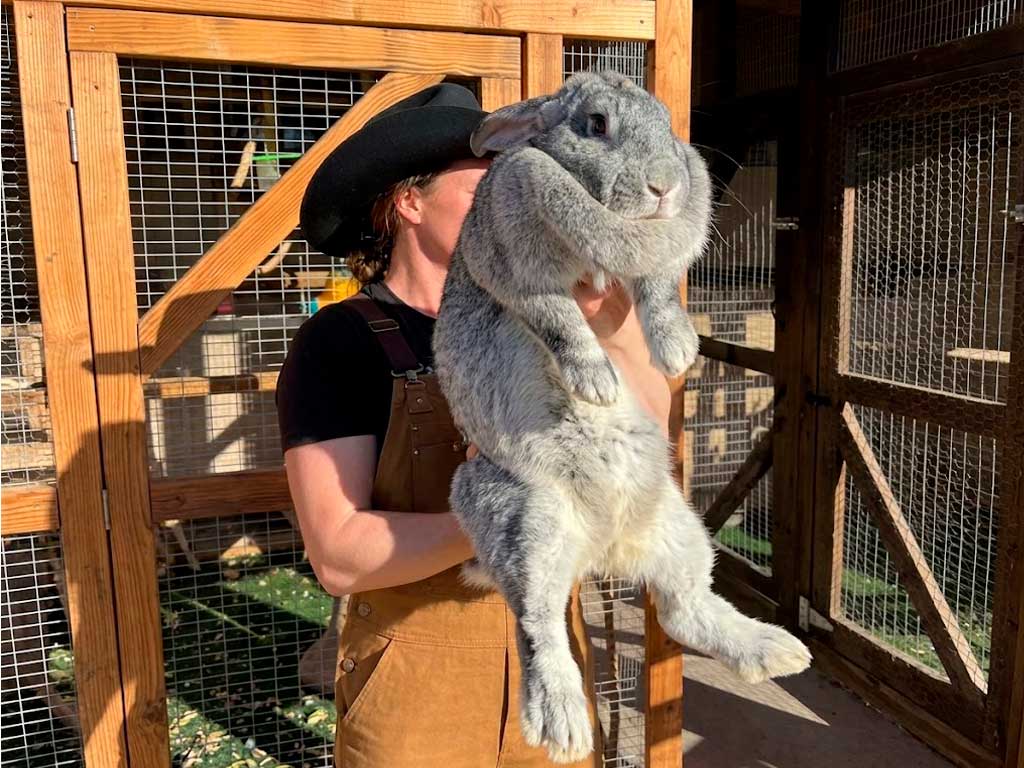
If your kids fell for a fluffy giant bunny at a breeder or rescue, flemish giant rabbit care looks almost nothing like caring for a regular pet rabbit. These rabbits can top 20 pounds, roughly the size of a medium dog, and that size changes the cage, the food bill, and even how you pick them up.
Here’s the short version: a healthy adult Flemish Giant needs a solid-floor enclosure at least 3 feet by 8 feet, daily hay equal to its own body weight, and careful handling from anyone strong enough to support its full weight safely.
Just How Big Do Flemish Giants Get?
Adult Flemish Giants typically weigh between 15 and 22 pounds, with some individuals pushing past that. Males usually run larger than females.
Fully stretched out, an adult can measure 2.5 to 4 feet long. Most reach their full adult size by around eight months old, so growth happens fast in that first year.
For scale, the current world-record holder, a Flemish Giant named Darius, measured over 4 feet long and weighed close to 50 pounds at his heaviest. Your rabbit almost certainly won’t get that large, but it shows just how much range this breed carries.
Space and Housing: The Non-Negotiable Part
A standard rabbit hutch is too small. Full stop. Flemish Giants need a cage that lets them fully stretch out, hop a few strides, and stand up on their hind legs without hitting the roof.
| What You’re Housing | Minimum Enclosure Size |
|---|---|
| One adult Flemish Giant | 3 ft wide x 8 to 10 ft long, solid floor |
| Two Flemish Giants together | Roughly double the single-rabbit footprint |
Wire floors are a bigger risk for this breed than for smaller rabbits. That extra body weight concentrates pressure on the feet, which makes sore hocks far more common in giant breeds specifically.
Line the floor with a solid surface like fleece over a yoga mat or interlocking foam tiles, not carpet, which is abrasive and traps moisture. Whether you house your rabbit indoors or in an outdoor hutch, budget for a bigger structure than any standard pet store cage.
What to Feed a Flemish Giant
Feed roughly your rabbit’s own body weight in hay every single day. For a 20-pound rabbit, that’s a genuinely large pile of hay, not a token handful.
Add a small serving of fresh leafy greens daily, plus about 1/4 cup of fortified pellets per 4 to 5 pounds of body weight. Skip sugary treats entirely, since Flemish Giants gain weight easily and obesity adds even more strain on those already-hardworking feet and joints.
Keep it simple: fresh water matters just as much here as with any rabbit, except your Flemish Giant will drink noticeably more of it. Expect their water and food costs to run well above what a Holland Lop or Netherland Dwarf owner pays.
Health Issues Giant Breeds Face
Sore hocks top the list. That body weight pressing down on the back feet, especially on a wire or hard floor, causes pressure sores that can get infected if ignored.
Ear infections show up more in Flemish Giants than in some other breeds, partly because of their long upright ears. A weekly glance at the ears for debris or odor catches most problems early.
Watch for gastrointestinal stasis too. A rabbit that stops eating or stops producing droppings needs a same-day vet visit, since GI stasis can turn fatal within a day or two in any rabbit, giant breeds included.
This section is general information, not a diagnosis. If your rabbit seems off in any way, involve an exotic-animal vet rather than waiting to see if it passes.
Handling: Not a Rabbit for Small Hands
A Flemish Giant is genuinely heavy, and that changes how you lift one. Support the chest with one arm and the hindquarters with the other, then hold the rabbit close against your body so no part of it dangles.
Kids, older adults, or anyone without the strength to comfortably hold 20 pounds securely should let someone else do the lifting. A dropped Flemish Giant can suffer a serious spinal injury given the size of the fall.
You won’t need to lift your rabbit daily. But when a vet trip comes up suddenly, you want a family member who can do it safely already identified.
Temperament: Gentle Giant, With a Few Caveats
Flemish Giants earned the “gentle giant” nickname honestly. Most are calm, patient, and genuinely enjoy being around people, including kids, more than some smaller, more skittish breeds.
Males tend to run calmer than females, who can get a bit territorial or destructive if bored. Every Flemish Giant still needs supervised interaction around young children, size or no size.
Isolation is the real risk with this breed. A Flemish Giant left alone in a cage too often can develop frustration behaviors like overgrooming or nipping, so daily out-of-cage time matters as much as the diet does.
What a Flemish Giant Actually Costs
Adoption or purchase price runs anywhere from $30 for a mixed rescue to several hundred dollars for a show-quality breeder rabbit. That’s usually the smallest cost, though.
The bigger, ongoing expense is everything sized up: more hay, more pellets, a genuinely large enclosure, and vet visits at an exotic-animal practice that may charge more for a bigger patient. Budget accordingly before bringing one home, not after.
Daily and Weekly Care Checklist
- Every day: hay equal to body weight, fresh water, a spot-check of the litter box, and supervised time outside the cage.
- Every few days: fresh leafy greens and a measured pellet portion.
- Weekly: an ear check for debris or odor, a look at the feet for early sore hocks, and a full litter box and hutch clean.
- Every 4 to 6 weeks: a nail trim, ideally with a second person helping hold a rabbit this size steady.