Hepatic Support Dog Food: What to Know About JustFoodForDogs Hepatic Support Low Fat
Has your veterinarian recommended a special diet because of your dog’s liver health? Choosing the right food can feel confusing, especially when a label promises liver support but doesn’t explain which dogs actually need it.
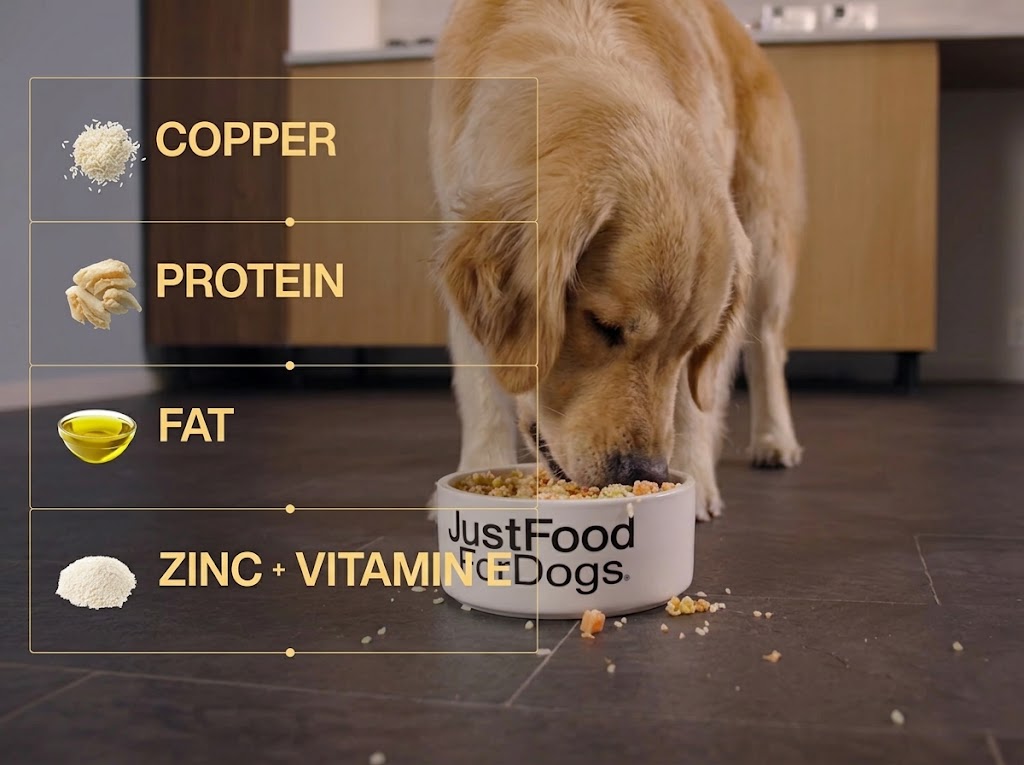
Hepatic support dog food is designed for specific nutritional needs, and the right formula depends on the condition being treated. JustFoodForDogs Hepatic Support Low Fat is a veterinary-support recipe made with reduced fat and copper, along with carefully controlled nutrients. Its ingredients may look familiar, but its intended use matters just as much as what’s in the bowl.
Before ordering, there are a few important details to understand. This guide covers the recipe, the dogs who may be prescribed a liver-support diet, what veterinary research says, and the questions worth asking your vet.
What Is JustFoodForDogs Hepatic Support Low Fat?
JustFoodForDogs Hepatic Support Low Fat is a fresh-frozen veterinary-support diet intended for dogs with particular nutritional needs. The manufacturer describes it as low-fat, low-copper, and highly digestible.
The recipe is formulated with controlled levels of protein, calories, phosphorus, and copper. These details can matter when a veterinarian is managing a diagnosed condition and needs to adjust a dog’s nutritional intake.
One detail deserves your attention before anything else: the manufacturer states that this food is intended for intermittent or supplemental feeding under veterinary supervision. Do not assume it is designed to serve as your dog’s only food every day.
Your vet can explain whether the product fits your dog’s treatment plan, how it should be fed, and whether another food needs to provide the rest of your dog’s daily nutrition.
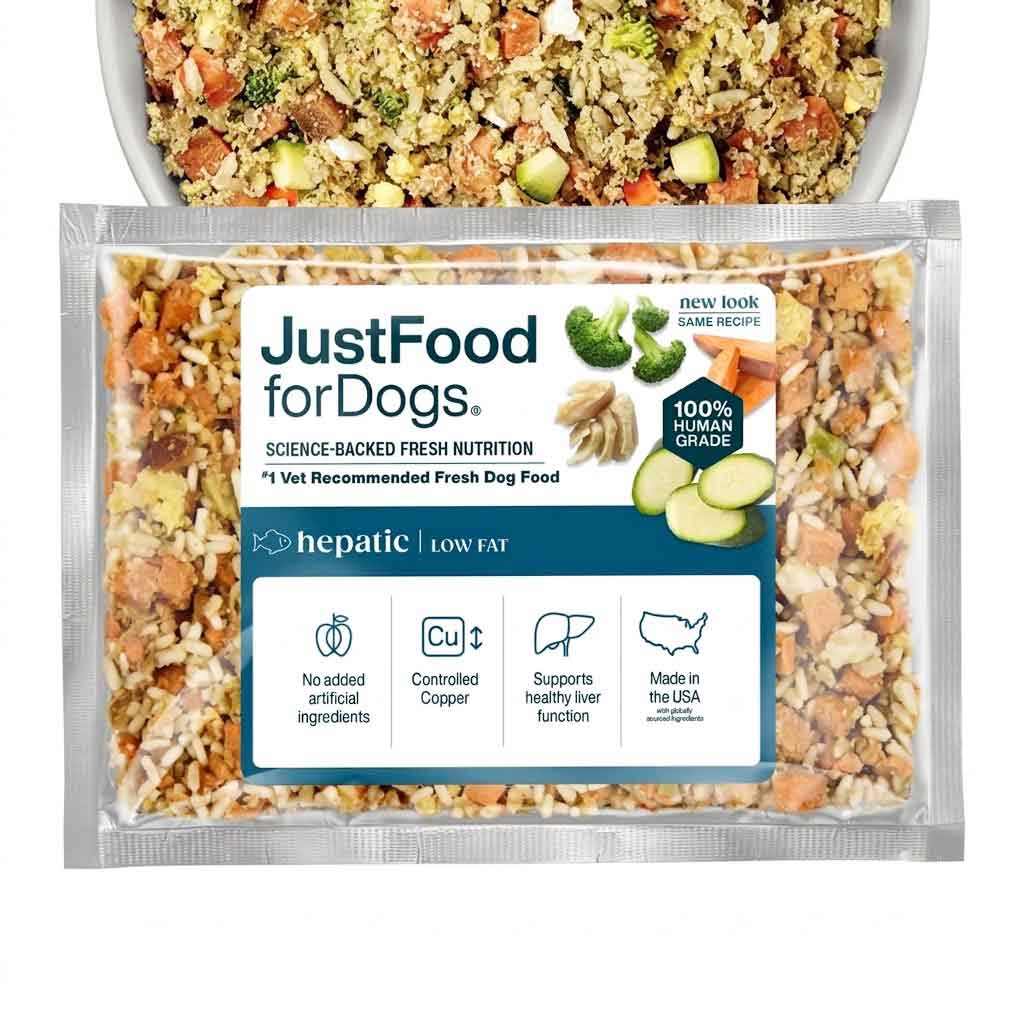
VETERINARY DIET FRESH DOG FOOD
Hepatic Support Low Fat
Designed to support dogs with specific liver-related dietary needs, this low-fat formula should be used with veterinary guidance. Ask your vet if it’s a suitable choice for your dog.
- Human-grade ingredients
- No added preservatives
Happy Pet Zone may earn a commission from qualifying purchases made through affiliate links, at no extra cost to you.
Which Dogs May Need Hepatic Support Dog Food?
Dogs with liver problems don’t all need the same diet. The liver performs many jobs, including processing nutrients, producing important proteins, and helping the body handle waste products. Different liver conditions can affect these functions in different ways.
A veterinarian may recommend a therapeutic diet after reviewing your dog’s diagnosis, bloodwork, symptoms, and nutritional status. Here are some situations in which dietary changes may be considered.
1. Dogs with copper-associated liver disease
Some dogs accumulate excessive copper in their liver. Over time, this can damage liver cells and contribute to chronic hepatitis.
The ACVIM consensus statement on chronic hepatitis in dogs explains that dietary copper restriction is an important part of managing confirmed copper-associated hepatitis. Treatment may also involve medication to remove accumulated copper, depending on the individual dog.
A low-copper diet can therefore be useful in a specific clinical setting. However, the amount of copper in a food must be evaluated against the veterinarian’s target, rather than judged by the words “low copper” alone.
2. Dogs with certain fat-related metabolic problems
Some dogs with liver changes also have hyperlipidemia, which means they have elevated levels of fats in the blood. In selected cases, a veterinarian may prescribe a fat-restricted diet as part of management.
The Merck Veterinary Manual’s review of canine vacuolar hepatopathy notes that dogs with this condition and hyperlipidemia may benefit from dietary fat restriction.
This does not mean that every dog with liver disease needs low-fat food. A vet must determine whether fat restriction addresses the problem your dog actually has.
3. Dogs whose liver condition requires an individualized nutrition plan
Some dogs with liver disease need careful attention to their protein intake, calorie intake, appetite, and overall nutrient balance. The plan may change as the condition progresses or the dog responds to treatment.
For example, protein restriction is not routinely recommended for every dog with chronic hepatitis. The ACVIM consensus advises that protein intake should be tailored to the patient’s needs, particularly when hepatic encephalopathy is a concern.
That distinction matters. A dog with a liver diagnosis should not automatically be placed on a low-protein diet without veterinary guidance.
What if your dog’s liver enzymes are elevated?
Elevated liver enzymes can have several causes. They do not, by themselves, tell you which food your dog needs.
Your veterinarian may recommend additional tests to investigate the reason for the changes. Depending on the findings, the best plan might involve a diet change, medication, monitoring, or another form of treatment.
What Is Inside Hepatic Support Low Fat?
The manufacturer lists the following main ingredients for this fresh-frozen recipe:
- Sweet potatoes
- Long-grain white rice
- Eggs
- Wild-caught Alaska Pacific cod
- Broccoli
- Zucchini
- Sunflower oil
- Coconut oil
- Omega Marine Microalgae Oil
- JustFoodForDogs Nutrient Blend, Hepatic
The recipe combines digestible carbohydrate sources with protein ingredients and added nutrients. The manufacturer specifically highlights the use of controlled copper and fat levels.
Ingredients alone cannot tell you whether a therapeutic diet is suitable for a particular dog. The full nutrient profile, the amount fed, and the dog’s medical needs all play a part.
For the most current ingredient list, check the official product page before buying.
Guaranteed Analysis: What the Numbers Mean
The product listing provides the following guaranteed analysis for Hepatic Support Low Fat.
| Nutrient | Listed amount |
|---|---|
| Crude protein | 3.5% minimum, 6.0% maximum |
| Crude fat | 1.0% minimum, 3.0% maximum |
| Crude fiber | 1.0% maximum |
| Moisture | 80% maximum |
| Copper | 1.2 mg/kg minimum, 1.65 mg/kg maximum |
| DHA | 0.025% minimum |
| EPA | 0.025% minimum |
| Metabolizable energy | About 884 kcal/kg |
| Calories per ounce | About 25 kcal |
These figures are the manufacturer’s listed values and may change. Check the current package and product page for the version you are buying.
Why does the low-fat level matter?
The listed crude fat range is one reason this formula may be considered for dogs that need controlled fat intake. Your vet can compare the food’s nutrient profile with your dog’s requirements and decide whether it is appropriate.
Why does copper matter?
Copper is an essential mineral, but excess copper can accumulate in the liver in certain dogs. For dogs diagnosed with copper-associated hepatitis, the total copper intake from food and other sources may be part of the treatment plan.
The copper figure on a label needs to be interpreted carefully. Ask your veterinarian whether the product’s copper concentration meets your dog’s prescribed target and whether additional dietary adjustments are needed.
Is this a complete daily food?
The manufacturer says Hepatic Support Low Fat is intended for intermittent or supplemental feeding under veterinary supervision. That is a key limitation.
Do not use it as your dog’s sole daily diet unless your veterinarian has specifically confirmed how to meet all of your dog’s nutritional needs. Ask how it should fit alongside the rest of the feeding plan.
What Does Veterinary Research Say About Liver Diets?
Veterinary guidance supports tailored nutrition for dogs with liver disease, but it does not mean every liver-support product has been clinically proven to treat every liver condition.
The ACVIM consensus statement on chronic hepatitis in dogs explains that copper restriction is important for dogs with confirmed copper-associated hepatitis. It also notes that protein restriction is not appropriate for most dogs with chronic hepatitis unless specific complications make it necessary.
The Merck Veterinary Manual’s guide to nutrition in hepatic disease similarly emphasizes individualized nutritional management. The appropriate diet depends on the disease and the dog’s condition, including whether hepatic encephalopathy or copper accumulation is present.
These sources support the general principles behind therapeutic liver diets. They should not be interpreted as proof that this particular JustFoodForDogs recipe has been shown in clinical trials to improve outcomes for every dog with liver disease.
That is why your vet’s recommendation matters more than a broad claim on a product label.
Potential Advantages of Hepatic Support Low Fat
For dogs whose veterinary plan calls for this type of formula, several features may be useful.
- Controlled fat and copper levels. These features may suit selected dogs whose treatment plan requires those nutrients to be managed.
- A clearly listed ingredient panel. Owners can review the ingredients and discuss them with their vet, including any known food sensitivities.
- A fresh-frozen format. The food is stored frozen and thawed in the refrigerator before feeding. This may suit households that have freezer space and can follow the handling instructions.
- A formula intended for veterinary support. The product is designed for a particular nutritional role, so it can be discussed as part of a plan for a diagnosed condition.
These are product features, not guarantees of a health outcome. Whether they benefit your dog depends on the diagnosis and the rest of the treatment plan.
Important Limitations to Consider
Before ordering, keep these points in mind.
- It is not meant to replace veterinary care. Diet alone may not be enough to manage a liver condition. Some dogs need further testing, medication, or ongoing monitoring.
- Low fat is not necessary for every liver patient. Fat restriction may be helpful in selected cases, but other dogs need a different nutritional approach.
- Copper restriction is condition-specific. A low-copper recipe may be relevant for copper-associated liver disease, but the label alone does not establish that it meets your dog’s target.
- It is intended for intermittent or supplemental feeding. This is the most important practical limitation. Confirm with your vet how to use it without leaving nutritional gaps.
- It needs freezer space and safe handling. The manufacturer recommends storing the food frozen and thawing it in the refrigerator. Follow the current package directions for storage time and use after opening.
How to Decide Whether This Food Is Right for Your Dog
Before placing an order, ask your veterinarian a few direct questions:
- What specific liver condition are we managing?
- Does my dog need reduced fat, reduced copper, or another nutritional adjustment?
- Is this recipe appropriate for my dog’s diagnosis and current test results?
- Should it be fed as a supplement, a temporary part of the diet, or alongside another food?
- How much should I feed, and how will we monitor my dog’s response?
- When should we repeat bloodwork or reassess the diet?
Bring the product’s current nutrient information to the appointment. It gives your vet something specific to compare with your dog’s needs.
If your dog has stopped eating, is repeatedly vomiting, develops yellowing of the eyes or gums, has a swollen abdomen, or shows sudden changes in behavior or coordination, contact a veterinarian promptly. Seizures, collapse, or severe disorientation warrant urgent veterinary attention.
Where to Buy JustFoodForDogs Hepatic Support Low Fat
You can review sizes, current availability, ingredients, and feeding information on the official Hepatic Support Low Fat product page.
Check the listing carefully before ordering. Fresh-frozen and shelf-stable products can have different ingredients, nutrient analyses, storage instructions, and calorie values. Make sure the page matches the exact recipe your veterinarian recommended.
If you’re comparing this formula with the brand’s other options, our JustFoodForDogs review covers the wider product range. You can also browse our dog nutrition guides for more help understanding food labels and feeding decisions.
Affiliate disclosure: Happy Pet Zone may earn a commission if you purchase through certain links, at no additional cost to you. Product details are based on the manufacturer’s published information and veterinary sources. This article does not claim that the product was independently tested.
Frequently Asked Questions
A Final Note on Your Dog’s Liver Health
A special diet can be useful when it matches a dog’s actual medical needs. The first step is finding out what the diagnosis requires, then checking whether the recipe’s nutrient profile fits that plan.
Before you order Hepatic Support Low Fat, ask your veterinarian to confirm the intended role of the food and how it should be fed. That short conversation can help you avoid choosing a diet that doesn’t match your dog’s needs.
Veterinary disclaimer: This article is for general educational purposes only. It does not diagnose, treat, or replace advice from a licensed veterinarian. Consult your veterinarian before changing the diet of a dog with a medical condition.