The Essential Dog First Aid Kit: Supplies to Save Your Pup’s Life
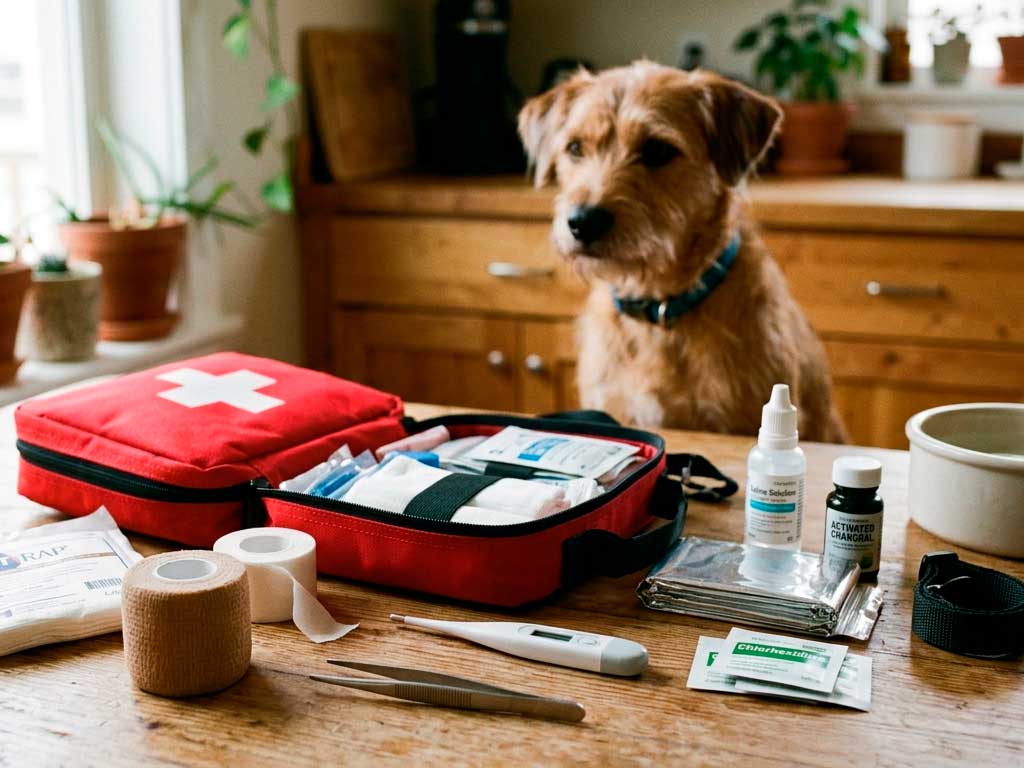
Accidents happen when we least expect them. Whether you are hiking up a mountain trail, traveling for the weekend, or just relaxing in your backyard, your dog can encounter sudden dangers. A sharp piece of glass, an aggressive encounter with another animal, or an ingested toxin can turn a peaceful day into a crisis.
Having a dedicated, well-stocked dog first aid kit is not a luxury—it is a fundamental responsibility for every pet owner.
The goal of an emergency kit is not to replace professional veterinary care. Instead, it is designed to stabilize your dog, alleviate pain, and buy you critical hours while you transport them safely to the nearest animal hospital.
Veterinary Safety Disclaimer: The instructions provided here are for emergency stabilization purposes only. Never attempt to treat severe injuries or deep wounds long-term at home. Always contact a licensed veterinarian immediately during a medical crisis.
The Essential Anatomy of a Canine First Aid Kit
A truly effective emergency kit focuses exclusively on urgent, life-saving care. While it might be tempting to store routine items like monthly dewormers in the same box, these do not belong in an emergency kit. A true medical crisis requires specialized materials designed for rapid response.
1. Advanced Bandaging and Wound Care Supplies
When a dog is bleeding or has torn their skin, standard human adhesive bandages (like Band-Aids) are completely useless because they will not stick to fur. You need a canine-specific bandaging toolkit:
- Non-Stick Sterile Gauze Pads: Use these exclusively for cleaning and covering raw wounds. Avoid using standard cotton balls or cheap gauze that sheds fibers, as these loose threads can stick to the wound bed, introduce bacteria, and disrupt healing tissue when removed.
- Cohesive Bandaging Tape (Self-Adherent Wrap): This is a crucial item for your dog first aid kit. Cohesive bandages stick firmly to themselves but do not stick to your dog’s fur. This allows you to wrap a wound securely in seconds without needing to shave the area during a panic, and it can be removed easily without pulling on their coat.
- Medical Scissors and Surgical Tape: Essential for cutting wraps to the correct length and securing loose gauze layers underneath the cohesive wrap.
2. Hygiene and Personal Safety Gear
Emergency situations are messy, and a dog in severe pain behaves unpredictably. You must protect both yourself and the wound from contamination:
- Nitrile Gloves: Always pull on a pair of sterile nitrile gloves before touching an open wound. Dog bites and lacerations carry heavy bacterial loads. Wearing gloves prevents you from introducing new pathogens into their flesh and protects you from zoonotic bacterial transmission.
- Emergency Muzzle: Even the gentlest, most loving dog can instinctively bite their owner when subjected to the intense pain of a fracture or deep wound cleaning. Keep a soft fabric or nylon strap muzzle in your kit. Using it ensures you can safely administer first aid without suffering a severe injury yourself.
Disinfectants and Tools: Cleaning Wounds Safely
Cleaning a wound correctly prevents systemic infections and reduces tissue damage. However, using the wrong product can chemically burn your dog’s exposed tissue.
| Use This Instead: | Avoid This (Human Products): |
| Sterile Saline Flushes | Alcohol (Causes severe burning and tissue damage) |
| Chlorhexidine Spray | Hydrogen Peroxide (Destroys healthy skin cells) |
| Waterless Antiseptic | Heavily Scented Human Wet Wipes |
The Liquid Cleansing Duo
The absolute best protocol for a dirty wound relies on two inexpensive liquids:
- Sterile Saline Solution: A small bottle of over-the-counter physiological saline is the most effective tool for mechanical debridement. Pouring a steady stream of saline directly over a bite or scratch safely flushes out dirt, hair, and debris by sheer physical force. If you are caught in an emergency without saline, you can boil clean water, let it cool completely to room temperature, and use it as a substitute flush.
- Chlorhexidine: This is the gold-standard antiseptic for veterinary medicine. It is incredibly cheap, highly effective against a broad spectrum of bacteria, and does not sting when applied to open raw skin. Furthermore, it is completely safe if your dog manages to lick a small amount after application. Avoid human alternatives like rubbing alcohol or hydrogen peroxide; they destroy healthy cellular walls, delay cellular regeneration, and cause immense pain to your pet.
Diagnostic Diagnostics
Never guess your dog’s vital signs during a crisis. Your vet will ask for these when you call:
- Digital Thermometer: A dog’s normal body temperature sits between 101°F and 102.5°F (38.3°C to 39.2°C). Rapidly rising temperatures can indicate heatstroke or severe infection, while drops can indicate shock.
- The Smartphone Flashlight: While specialized penlights work well, your smartphone’s built-in flashlight is arguably the best modern tool for illuminating dark areas, checking inside a dog’s mouth for obstructions, or inspecting a paw pad for embedded glass.
Emergency Medications and Toxin Defenses
Your kit must include a small selection of highly effective over-the-counter medications capable of managing acute systemic issues like gastric inflammation, bacterial infections, and poisonings.
1. Gastrointestinal Protection: Omeprazole
Dogs frequently suffer from sudden, acute gastritis after scavenging through toxic trash or decomposing organic matter.
- The Application: If your dog is suffering from severe acid reflux, constant gagging, or vomiting due to minor gastric irritation, standard human omeprazole can help calm the stomach lining.
- The Dosage: The general emergency guidelines state a dosage of 1 mg per kilogram of body weight, administered orally before any food intake.
- Recovery Protocol: Pair this medication with a strict 12 to 24-hour fast to let the stomach rest completely. When reintroducing food, offer small portions of bland, easily digestible items like plain boiled chicken breast mixed with white rice and plain boiled carrots.
2. Topical Antibiotic Ointments
Before wrapping a cleaned wound, applying a targeted antibacterial barrier is essential for stopping local skin infections before they spread:
- Zinc Bacitracin: Highly effective, soothing, and easily tolerated by canine skin.
- Neomycin Sulfate or Polymyxin B: Readily available over-the-counter at standard human pharmacies. Purchasing these generic formulas at a pharmacy is identical to buying branded veterinary equivalents but costs a fraction of the price. Apply a thin layer over the scratch before sealing it with gauze.
3. Emesis Inducers: How to Force Vomiting
If your dog swallows a dangerous foreign object or a non-corrosive toxin, you may need to induce vomiting immediately to clear their stomach:
- 3% Hydrogen Peroxide: While bad for open skin, administering a small amount of 3% hydrogen peroxide orally causes mild gastric irritation that forces emesis within minutes. Always consult a vet over the phone for an exact dosage based on your dog’s weight before administering it.
- Saturated Saltwater Solution: If hydrogen peroxide is unavailable, mix a tablespoon of table salt into a small cup of water. Forcing your dog to drink this can induce rapid vomiting. Administer up to three times, spacing each attempt exactly 20 minutes apart.
Critical Poison Warning: Never induce vomiting if your dog has swallowed caustic chemicals, petroleum products, bleach, or sharp objects. Forcing these items back up can cause severe chemical burns to their esophagus or tear their internal organs.
4. The Ultimate Lifesaver: Activated Charcoal
If you only add one specialized item to your dog first aid kit, make sure it is activated charcoal. This inexpensive, incredibly accessible substance saves thousands of canine lives every year from severe poisoning.
- How it Works: Activated charcoal acts like an internal chemical sponge. It features a highly porous surface area that binds to organic toxins, chemicals, and poisons within the stomach via adsorption.
- The Result: By binding directly to the toxic compounds, it stops the substances from crossing the intestinal wall and entering your dog’s bloodstream. The poisons are instead carried safely through the digestive tract and excreted in their stool.
- What it Treats: This is your primary line of defense if your dog gorges on toxic human foods like chocolate, grapes, onions, or household items containing Xylitol (such as certain sugar-free toothpastes). Administering activated charcoal immediately after ingestion can mean the difference between life and death while you race to the emergency clinic.
Troubleshooting: How to Introduce First Aid Measures Safely
Administering first aid to a panicking animal requires a calm mind and a careful approach. Follow this checklist to ensure safety:
- Secure the Environment First: Before tending to your dog, ensure you are both safe from ongoing hazards like oncoming traffic or aggressive animals.
- Call Ahead: Always contact your emergency veterinarian while or immediately after administering first aid. Let them know you are on your way so they can prepare the trauma room.
- Never Medicate Blindly: Outside of clear-cut emergency charcoal or hydrogen peroxide applications discussed with a professional, never give human prescriptions or over-the-counter pills to a dog.
For more information on general pet safety, consider visiting the official guidelines on toxic items from the ASPCA Animal Poison Control Center (Outbound Link).
5 Real and Actionable Emergency FAQs
1. Can I use human pain relievers like Ibuprofen or Acetaminophen in a dog emergency?
Absolutely not. Human non-steroidal anti-inflammatory drugs (NSAIDs) like Ibuprofen (Advil), Naproxen (Aleve), and Acetaminophen (Tylenol) are highly toxic to dogs. Even a single tablet can cause acute, life-threatening kidney failure, severe liver destruction, and bleeding gastric ulcers. Never give your dog human pain medication; only use pain relievers prescribed directly by a licensed vet.
2. Exactly how much activated charcoal should I give an poisoned dog?
The standard veterinary emergency dosage for activated charcoal is 1 to 3 grams of charcoal per 1 kilogram (2.2 lbs) of body weight. It is most effective when administered within 1 to 2 hours of toxin ingestion. It is highly recommended to buy activated charcoal in a pre-mixed liquid suspension form, as attempting to mix dry charcoal powder with water during an active crisis can be incredibly messy and slow down your response time.
3. How can I tell if my dog is going into medical shock after an injury?
To check for shock, lift your dog’s upper lip and examine their gums. Healthy gums should be a vibrant, healthy pink. If their gums appear pale white, muddy gray, or blue, your dog’s circulatory system is collapsing, indicating they are in shock. Another method is checking the Capillary Refill Time (CRT): press your finger firmly against their gum for two seconds until it turns white, then let go. If it takes longer than two seconds for the pink color to return, your dog requires immediate emergency veterinary intervention.
4. When is it dangerous to wrap a bleeding wound tightly?
You should only apply a tight pressure bandage if your dog is suffering from severe, arterial spurting or heavy venous bleeding, and only long enough to get them to a clinic. Wrapping a limb, tail, or neck too tightly for an extended period creates a tourniquet effect that cuts off vital arterial blood supply. This lack of oxygenated blood can cause permanent nerve damage, localized tissue death (necrosis), and may ultimately require the amputation of the limb.
5. How do I know if a wound needs stitches or if simple first-aid is enough?
If a cut or laceration penetrates completely through the outer layer of the skin and exposes the underlying yellowish fat layers or red muscle tissue, it requires professional surgical stitches. Gaping wounds cannot close cleanly on their own and will easily become infected if left open. Additionally, any wound caused by an animal bite—even if it looks like a small puncture—must be evaluated by a vet, as animal teeth inject harmful bacteria deep into sub-dermal tissue layers.