Australian Cattle Dog Breed: The Complete Guide for Active Owners
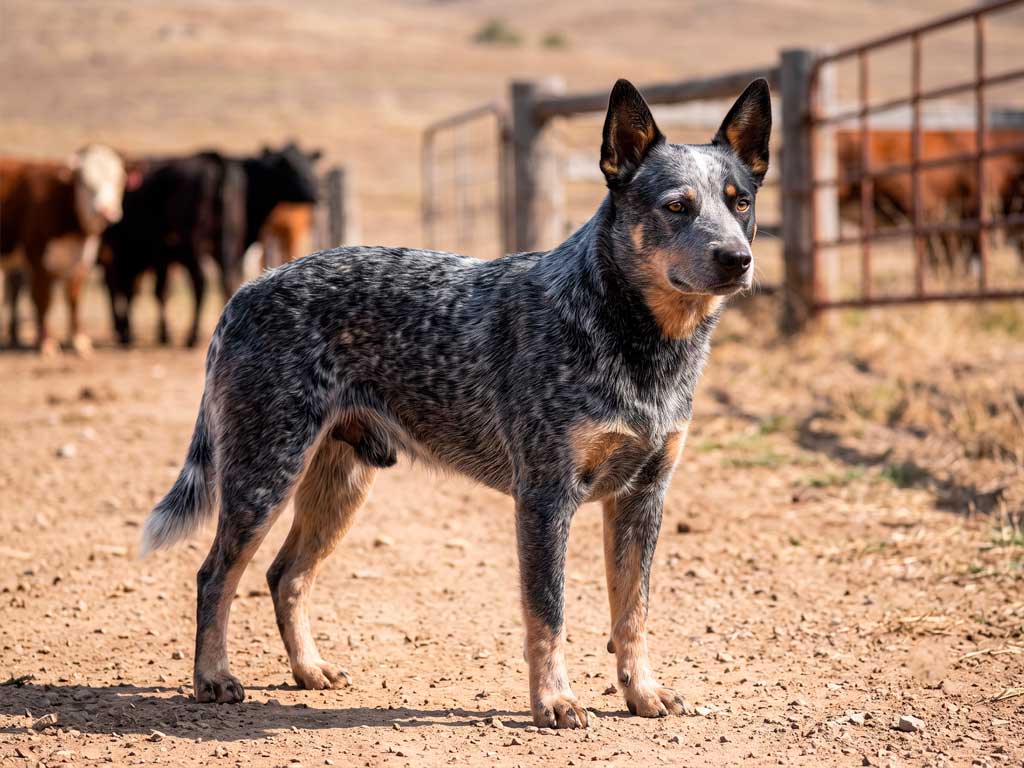
Considering an Australian Cattle Dog for your family? You’re looking at one of the toughest, smartest, and most tireless herding breeds ever developed. This guide covers origin, temperament, exercise needs, and health so you know exactly what to expect. Drawing on official breed standards and hands-on pet care expertise, we’ll walk through every essential detail. Let’s start with where this remarkable working breed comes from.
History and Origin
English cattlemen brought Collies to Australia in the early 19th century, but the local conditions demanded something tougher. Harsh terrain and difficult cattle called for a hardier working dog altogether.
Over roughly 60 years, breeders crossed several dog types with specific abilities, including the Dingo, various Collies and herding dogs, the Kelpie, the Dalmatian, and the Bull Terrier. By the late 19th century, this careful mixing produced a dog that could drive cattle by nipping at their heels, work closely with people, think independently, and endure heavy rain, cold, or heat.
Interestingly, the first Dingo crosses proved too intense, biting cattle far too hard. Breeders had to try again, incorporating calmer Collie bloodlines until they found the right balance.
Physical Characteristics
Compact and muscular, the Australian Cattle Dog carries a medium-sized frame built for endurance. Adult males stand 18 to 20 inches tall, while females measure 17 to 19 inches.
Weight typically falls between 37 and 51 pounds for a healthy adult. Coat colors include blue, blue and tan, blue mottled, red, red and tan, or red mottled, giving each dog a distinctive speckled look.
The double coat serves a real purpose too. Its water-resistant outer layer causes rain to bead and roll off, keeping the dog dry and comfortable during long working days outdoors.
Temperament and Personality
Naturally cautious around strangers, the Australian Cattle Dog carries strong protective instincts. Consequently, thorough and early socialization becomes especially important with this breed.
Because some dogs nip when overexcited, working on bite inhibition from puppyhood matters too. This breed stays deeply devoted to its family, though that devotion can come with a fierce, headstrong streak. First-time owners should think carefully, since this breed genuinely suits more experienced handlers.
Care Guide
Diet and Nutrition
Your dog’s diet should include the proper balance across all major nutrient groups, along with constant access to fresh water. Regular check-ins help keep this active breed at a healthy weight.
Feed twice daily, following the guidelines specific to your chosen formula. Given this breed’s high energy output, consistent feeding schedules support steady performance and recovery.
Exercise Requirements
An Australian Cattle Dog needs roughly one hour of daily exercise, though it happily handles considerably more. Remarkable stamina and endurance define this breed’s working heritage.
Additionally, this dog jumps impressively high and moves with real agility, which means it can steal food off counters or clear garden fences with ease. Boredom quickly leads to trouble, so keeping this breed mentally engaged matters as much as physical exercise.
Grooming Needs
The soft double coat requires surprisingly little maintenance. A weekly brush handles most upkeep needs.
The topcoat stays hard and flat, while the undercoat runs short and dense. Coat length varies across the body, staying short on the head and growing longer on the belly and behind the legs.
Training and Education
This breed’s intelligence ranks among the highest of any dog, making training genuinely engaging when done right. Positive reinforcement methods work best, since harsh corrections can trigger defensive reactions in a dog this protective and headstrong.
Early socialization deserves serious priority here. Structured exposure to new people, animals, and situations during puppyhood helps balance this breed’s natural wariness with confident, appropriate behavior.
Owners should also address nipping tendencies early. Redirecting herding instincts toward appropriate toys or activities channels that drive productively rather than letting it become a habit.
Health and Longevity
The Australian Cattle Dog typically lives between 13 and 15 years, making it one of the longer-lived working breeds. Overall, this breed stays remarkably hardy with relatively few health issues.
Still, hereditary eye disorders and hip dysplasia can occasionally appear. Screening for both hip and eye issues before breeding helps reduce the risk of passing these conditions to puppies. This breed can also show a predisposition to congenital deafness and certain inherited urinary or liver conditions.
This article is for general educational purposes only and doesn’t replace professional veterinary advice. Always consult your veterinarian about your dog’s specific health needs.
Is This the Right Dog for You?
The Australian Cattle Dog suits experienced owners with an active lifestyle and plenty of time for training. Working farms, active families, and dog sport enthusiasts will likely get the most out of this breed’s remarkable drive.
On the other hand, first-time owners or sedentary households should think twice. This breed’s intelligence and energy demand constant engagement, or destructive habits can quickly follow.
Frequently Asked Questions (FAQs)
Is an Australian Cattle Dog a good family dog? Yes, for experienced families willing to supervise interactions with children and provide consistent structure and exercise.
How much exercise does an Australian Cattle Dog need? At least one hour daily, though this breed happily handles significantly more given its remarkable stamina.
Are Australian Cattle Dogs easy to train? Yes, their high intelligence makes training rewarding, provided owners stay consistent and use positive reinforcement.
Do Australian Cattle Dogs get along with other pets? Generally well, especially with proper socialization, though their herding instinct can lead to nipping at other animals initially.
What makes the Australian Cattle Dog’s coat unique? Its water-resistant double coat causes rain to bead and roll off, keeping the dog dry during long hours working outdoors.
Start with a serious daily exercise and training plan before anything else. This breed’s intelligence and drive need a real outlet, or they’ll find their own. For more herding breed guides, check out our Belgian Malinois and Shetland Sheepdog articles at Happy Pet Zone.