
What Is an Irish Red and White Setter? A Rare Breed Guide

Ever wonder why some dog breeds feel like a well-kept secret? The Irish Red and White Setter is one of them, and it almost didn’t survive to have a fan base at all.
By the late 1800s, breeders had shifted so heavily toward the solid red coat that this striking white-and-red cousin nearly vanished for good.
A handful of dedicated breeders brought it back after World War I, and today it’s still one of the rarer sporting breeds you’ll come across. Here’s everything worth knowing before you consider one.
History and Origin
This breed actually predates the solid red Irish Setter, with references to red-and-white hunting dogs showing up in 16th-century records. Landowners across Ireland favored them as working gun dogs throughout the 1600s and 1700s.
Trust me on this one: the near-extinction wasn’t about temperament or health, it was pure fashion. Hunters in the 1800s actually preferred the white patches because a solid red dog was nearly impossible to spot against reddish-brown moorland. Once breeders prioritized solid coats anyway, numbers crashed until dedicated fanciers rebuilt the line after World War I.
Physical Characteristics
These are strong, athletic dogs built for a full day of fieldwork. Adult males typically stand between 23 and 27 inches tall and weigh 60 to 70 pounds, with a medium-length coat and generous feathering along the ears, chest, tail, and legs.
The coat itself is the whole identity of the breed — pearl white with rich red patches, unmistakable once you’ve seen one in person.
Temperament and Personality
Gentle, obedient, and genuinely cheerful describes most Irish Red and White Setters well. They’re enthusiastic workers at heart, which shows up as high energy even in dogs that have never seen a hunting field.
Here’s the thing that friendliness means they’re not cut out for guard duty. Most will announce a visitor with excitement, not suspicion, and they tend to get along well with other household pets.
Shop for Your Breed

Just Food For Dogs – Fresh Frozen
Fresh meals. Gently cooked, then frozen to lock in nutrients. 100% Human Grade Ingredients. Gently Cooked in the USA. #1 Vet-Recommended Fresh Food.
Shop on JustFoodForDogs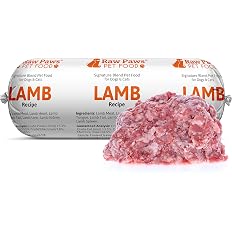
Raw Paws Pet Food – Frozen Raw Pet Food
Feeding your pet a frozen raw pet food diet is a simple way to deliver real, whole-food nutrition in its most natural form.
Shop on RawPawsPetFood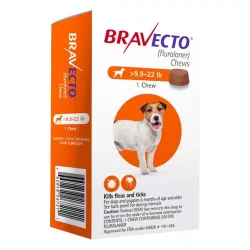
Bravecto Chews for Dogs
Bravecto is a long-lasting flea and tick protection option for your dog. 1 dose of Bravecto chew provides up to 12 weeks of powerful protection, which is nearly 3 times longer than a monthly treatment.
Shop on BestVetCare.com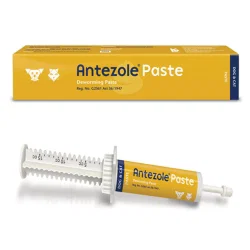
Deworming Treatments for Dogs
BestVetCare offers you a wide range of worm treatments which come in a variety of forms such as oral paste, tablets, granules, and liquid solutions.
Shop on BestVetCare.comHappyPetZone participates in various affiliate programs with brands and retailers. We may receive a commission on purchases made through our links, at no extra cost to you.
Care Guide
Diet and Nutrition
Large, active breeds need more protein and fat than smaller dogs, along with carefully balanced minerals and vitamins to support their frame and energy output. Our full nutrition guide walks through how to build that out properly.
Exercise Requirements
Plan on two or more hours of daily exercise, and give them real room to run rather than a short leashed walk. This breed was built for open-field work, and that energy needs a genuine outlet.
Grooming Needs
Brush the coat a couple of times a week, paying close attention to the feathering on the tail, chest, legs, and belly. Give it time between sessions and it’ll tangle fast, so consistency matters more than intensity here.
Training and Education
These dogs are eager to please, which makes training smoother than with more independent sporting breeds. Positive reinforcement and short, engaging sessions work best, especially early in puppyhood.
Because of their hunting instincts, expect a strong prey drive around small animals and birds. A reliable recall command is worth prioritizing from day one.
Health and Longevity
Like many purebred dogs, Irish Red and White Setters can be prone to hereditary eye conditions and hip dysplasia, so hip and eye screening before breeding matters. They can also be more sensitive to gastrointestinal upset than some other breeds.
This isn’t meant as medical advice, just something worth flagging early. Talk to your vet about breed-specific screening at your dog’s first checkup. With good care, this breed typically lives 10 to 13 years.

Lemonade Pet Insurance
Explore customizable pet insurance coverage and learn whether Lemonade is the right fit for your dog or cat.
- Customizable coverage options
- Online policy management
Is This the Right Setter for You?
An Irish Red and White Setter fits an active household that wants a friendly, hardworking companion and doesn’t mind being one of the few owners with this exact breed. If you’re drawn to Setters generally but want something a bit rarer than the solid red or English varieties, this could be your match.
Curious how it stacks up against its relatives? The solid-coated Irish Setter shares the same roots but a very different look, and the English Setter is another close cousin worth comparing. Browse the full dog breed library or try the Dog Breed Quiz if you’re still deciding.