5 Animals You Should Never Keep in Your Home: Reasons and Tips
When choosing a pet, it’s essential to consider both your needs and those of the animal. Some animals, while they may seem adorable or exotic, genuinely aren’t the right fit for most homes, and the reasons go well beyond a passing inconvenience.
Here we’ll explore five types of animals that demand far more preparation than people expect, based on real veterinary experience, and what to do instead if you still want one.
Quick Facts: Animals That Need Extra Preparation
- Shortest commitment, hardest goodbye: Mice and small rodents live only 1–3 years
- Highest destructive risk: Parrots left under-stimulated can self-harm through feather plucking
- Most fragile digestion: Rabbits can decline rapidly from even minor diet changes
- Legally restricted in most places: Pet monkeys are illegal or heavily regulated in many US states and countries
- Most misunderstood: Ferrets aren’t dangerous, but they need real space, vaccination, and tolerance for their natural odor
1. Mice and Small Rodents (Like Hamsters)
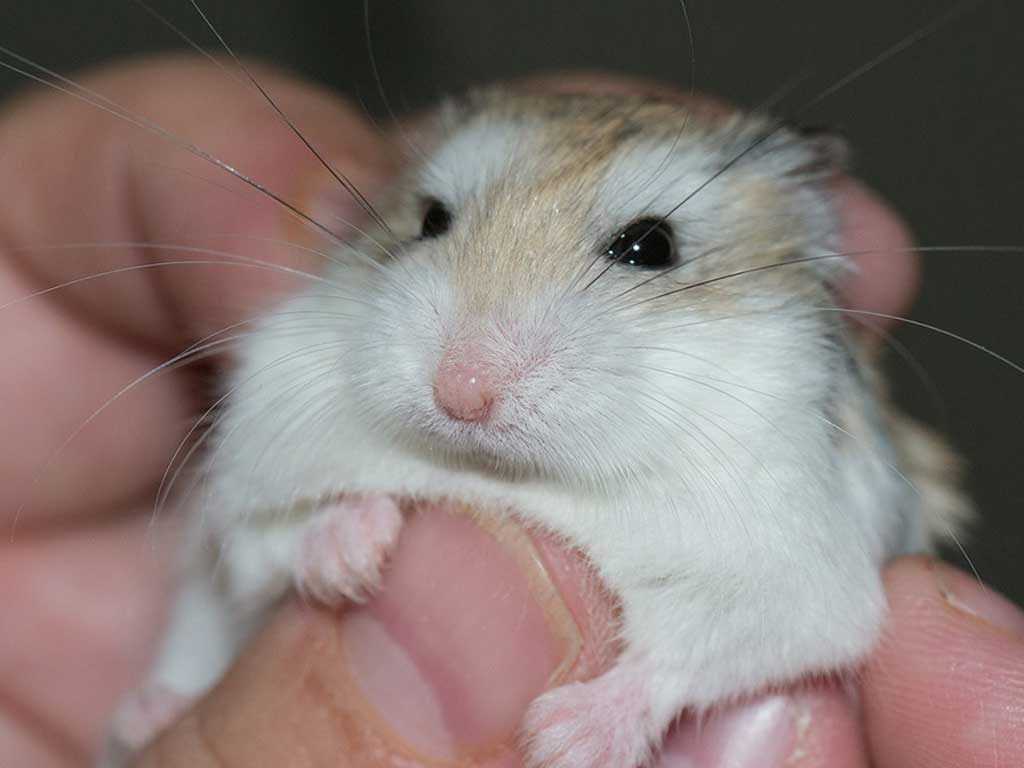
While mice and other rodents like hamsters can be charming and friendly, they have a short life cycle. For families with small children, the early loss of these animals can be an emotionally difficult process. Mice are likely to live only a couple of years, and in many cases, death can occur suddenly, causing confusion and even sadness. Despite good veterinary care, their health can deteriorate quickly due to their delicate nature and short life cycle.
Tip: If you’re looking for a long-lasting, low-maintenance pet, a small rodent may not be the ideal choice, especially if you have small children who can easily become attached to them. That said, if you’ve thought it through and still want one, our essential hamster care guide covers exactly what a healthy setup looks like.
2. Parrots
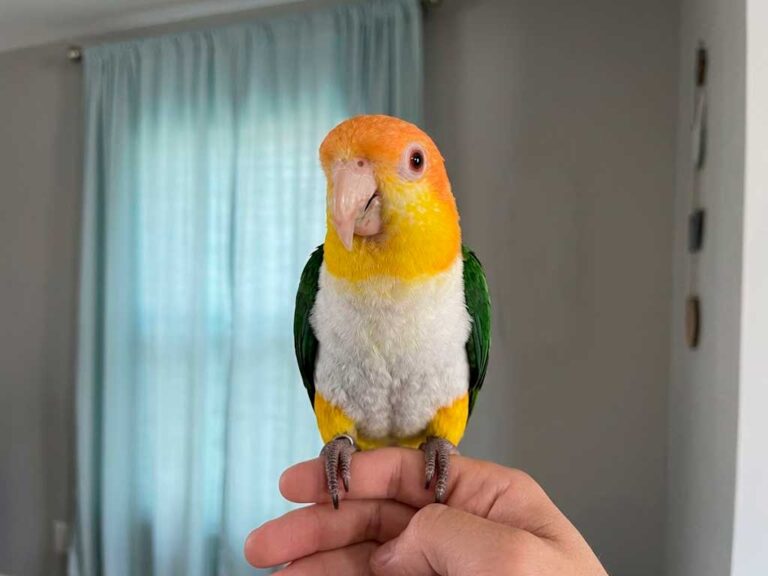
Parrots are intelligent and charismatic birds that can interact with humans in a special way, even mimicking words and sounds. However, they require an extraordinary level of dedication. Because of their intelligence, if they don’t receive enough interaction or mental stimulation, they can develop destructive and self-harming behaviors, such as plucking their own feathers. They also need adequate space and constant training to adapt well to a domestic environment, often for 30 years or more.
Tip: Only consider a parrot if you have the time and patience to devote to it daily, for decades. If a lower-commitment bird is more realistic for your household, our guide to the best birds for beginners covers species that ask less of first-time owners.
3. Rabbits
Although popular as pets, rabbits have genuinely fragile health. They’re herbivores with a complex digestive system, where fermentation of food occurs in the cecum, a specialized part of the intestine. Any alteration in their diet can lead to serious digestive problems, and they can decline and pass away quickly without much warning, which can be devastating for a family that wasn’t prepared for it.
Tip: Before adopting a rabbit, learn about their specific dietary needs in depth, and make sure you have access to a veterinarian who specializes in exotic animals, not just a general small-animal practice.
4. Monkeys
While the idea of having a pet monkey appeals to some people, these animals present challenges most owners aren’t equipped to handle. Monkeys are wild animals, and although some can be trained, their behavior is often unpredictable, aggressive, and destructive, especially as they mature. Their intelligence lets them learn fast, but it also makes them capable of outsmarting containment and causing real harm, particularly in a home with small children.
Beyond the behavioral risk, primate ownership is illegal or heavily restricted in a large number of US states and countries specifically because of these welfare and safety concerns, not as an arbitrary rule.
Tip: Check your local and national laws before even considering a monkey, since in many places the decision has already been made for you. Admiring them from a distance, or supporting accredited sanctuaries, is the more responsible path.
5. Ferrets
Ferrets have gained popularity as pets in recent years, but they’re not fully adapted to typical home life the way people assume. They need plenty of room to move around and exercise, and they emit a natural musky odor that some people find genuinely unpleasant, even after descenting. They’re also prone to nipping, which can be painful and is a real consideration in homes with young children. Vaccination against diseases like rabies is essential, not optional.
Tip: If you decide to get a ferret anyway, make sure everyone in the home is prepared for the smell and their tendency to nip during play. Our complete ferret owner’s guide walks through exactly what responsible ferret ownership involves before you commit.
At a Glance: Why Each Animal Is Harder Than It Looks
Main challenge by animal:
| Animal | Primary Concern |
|---|---|
| Mice/small rodents | Very short lifespan, emotionally hard on kids |
| Parrots | Decades-long commitment, needs constant stimulation |
| Rabbits | Fragile, fast-declining digestive health |
| Monkeys | Illegal in many places, unpredictable behavior |
| Ferrets | Odor, space needs, nipping tendency |
Frequently Asked Questions
Are these animals bad pets in general, or just hard for beginners?
They’re not bad pets inherently, but each comes with specific, non-negotiable demands that catch inexperienced owners off guard, from lifespan to legal status to daily care intensity.
Is it illegal to own a pet monkey?
In a large number of US states and countries, yes, it’s illegal or heavily restricted. Always check your specific local and national laws before considering one.
Why do rabbits die so suddenly compared to other small pets?
Their digestive system is extremely sensitive to diet changes, and issues like gut stasis can progress quickly, sometimes without obvious early warning signs.
Can parrots really hurt themselves from boredom?
Yes. Feather plucking and other self-injurious behaviors are a well-documented response to insufficient mental stimulation in intelligent bird species.
Do all ferrets smell bad?
Ferrets have a natural musky scent that descenting reduces but doesn’t eliminate. Regular bathing and cage cleaning help, but the smell never fully disappears.
Is a hamster a good first pet for a young child?
It can be, but parents should be prepared to guide the child through the short lifespan and likely loss, since hamsters typically live only 1 to 3 years.
What should I ask a vet before getting an exotic pet?
Ask about their specific experience with that species, typical health issues, expected lifespan, and diet requirements before you commit, not after.
Are ferrets dangerous to have around children?
Not inherently, but their tendency to nip during play means young children need supervision, similar to guidelines for many small pets.
What’s a lower-maintenance alternative to a parrot?
Smaller, less demanding bird species like budgerigars or canaries offer companionship without the multi-decade, high-stimulation commitment larger parrots require.
Should I avoid these animals entirely?
Not necessarily. Each can be a rewarding pet for the right owner who has genuinely researched the commitment involved and has access to specialized veterinary care.
Choosing a pet requires real thought and responsibility. Some animals, while fascinating, demand more than most homes can comfortably give, whether that’s decades of attention, specialized veterinary access, or navigating legal restrictions. Educate yourself thoroughly about the care and challenges of each type of animal before deciding, and make sure you can meet their needs so both your family and your pet end up safe and genuinely happy.