Hamster Illness Signs: Wet Tail, Mites, and When to Call an Exotic Vet
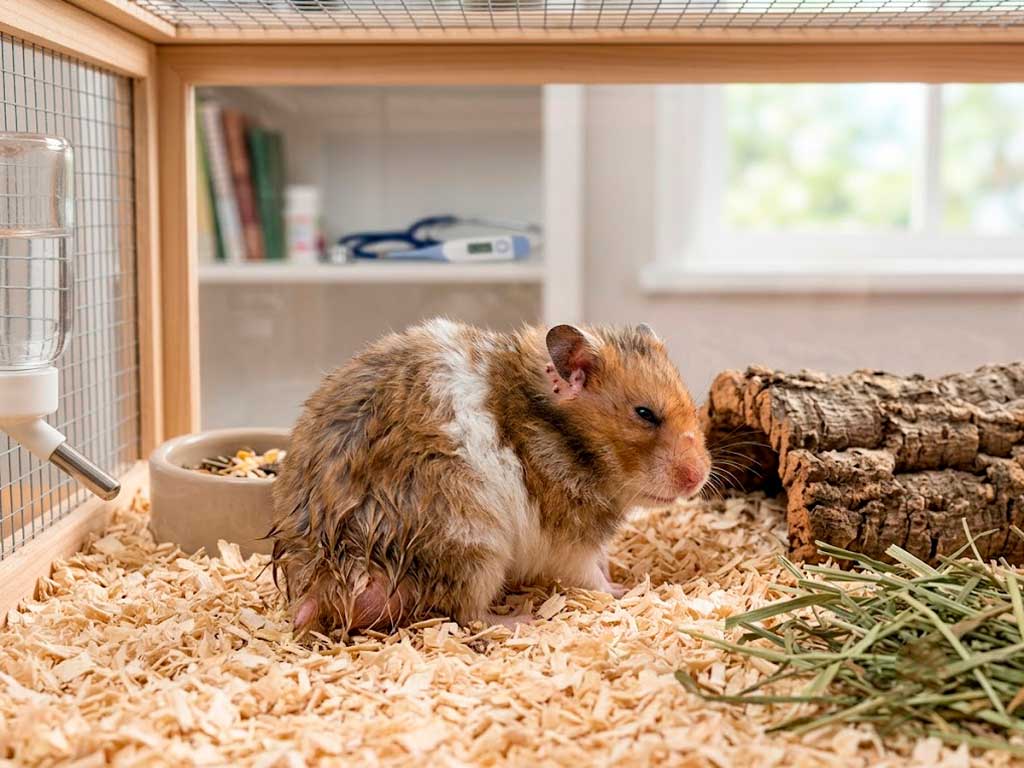
Hamsters are experts at hiding when something’s wrong. That instinct kept them alive in the wild, but it means owners often don’t notice illness until it’s already serious.
This guide covers the signs that matter most, starting with the one that can turn deadly fastest: wet tail hamster disease. Keep it simple and learn these signs now, before you ever need them.
This article shares general information and isn’t a substitute for veterinary care. If your hamster shows any of the emergency signs below, contact a vet who treats small exotics right away, don’t wait to see if it passes.
Wet Tail: The Emergency You Need to Recognize Fast
Wet tail, known medically as proliferative ileitis, is a bacterial intestinal infection and one of the most dangerous illnesses in pet hamsters. It causes severe watery diarrhea, and it can be fatal within just a couple of days if it’s not treated.
Signs of wet tail:
- Wet, matted fur around the tail and rear end
- Watery diarrhea with a strong odor
- Hunched posture
- Sudden lethargy or unwillingness to move
- Refusing food and water
- Irritability when handled
Young hamsters under 12 weeks and hamsters that were recently rehomed are at the highest risk, since stress can trigger the infection. That’s part of why a hamster fresh from the pet store needs a calm, quiet settling-in period.
Here’s the part that matters most: wet tail is not something to treat at home. There’s no safe home remedy, and giving the wrong medication or dose to an animal this small can cause more harm than the illness itself. If you see these signs, get your hamster to an exotic vet the same day. With prompt treatment, including fluids and prescription antibiotics from a vet, many hamsters recover. Waiting even a day can be the difference.
General Signs of Illness Checklist
Beyond wet tail, a few general signs should always prompt a closer look.
- Not eating or drinking for more than 24 hours
- Noticeable weight loss, even if the food bowl looks empty on schedule
- Bulging, dull, or half-closed eyes
- Bloated abdomen
- Shaking or unusual trembling
- A wheel enthusiast who suddenly stops running
Bottom line: hamsters hoard food in their cheeks and stash it around the cage, so an empty bowl doesn’t always mean they actually ate. Weighing your hamster weekly is one of the easiest ways to catch weight loss early, before it becomes obvious just from looking.
Mites, Fleas, and Skin Problems
Bald patches or unusual scratching are never just cosmetic, even if your hamster still seems otherwise fine.
- Mites: patchy hair loss, flaky or crusty skin, more scratching than usual
- Fleas or other external parasites: visible irritation, excessive grooming, small dark specks in the fur
- Ringworm: circular bald patches, sometimes with redness around the edges
- Barbering: if you keep two hamsters together and see fur loss on just one, the other may be over-grooming its cage-mate
Don’t reach for an over-the-counter mite or flea treatment without a vet diagnosis first. The wrong product, or the wrong amount for an animal this small, can cause more harm than the mites themselves. A quick skin scrape at the vet confirms what’s actually going on.
Respiratory Infection Signs
A lot of respiratory trouble in hamsters traces straight back to the cage setup. Cedar and pine bedding release oils that irritate the respiratory tract over time, which is part of why paper-based bedding is the safer standard choice.
Watch for:
- Frequent sneezing, especially with any discharge
- Wheezing or clicking sounds while breathing
- Discharge from the nose or eyes
- Visible, labored breathing
One occasional sneeze with no other symptoms usually isn’t urgent, switching to paper bedding and watching for 48 hours is a reasonable first step. But sneezing paired with discharge, labored breathing, or loss of appetite means it’s time to call the vet, not wait it out.
Lumps, Bumps, and Dental Problems
A new lump is worth checking, even if it doesn’t look alarming at first.
Abscesses are common and usually come from a small bite or scratch. They tend to feel warm and grow noticeably over a few days, and most resolve well with a vet visit. Lumps in hamsters older than about 18 months deserve more attention, since tumors become more common with age. Not every lump is serious, but the only way to know is to have it examined.
Overgrown teeth are another sneaky problem. Hamster teeth grow continuously, and if they don’t wear down evenly, eating becomes difficult even though your hamster still wants to eat. Watch for drooling, food dropped after showing interest in it, or teeth that look visibly long or uneven. A vet can trim overgrown teeth quickly, and it makes an immediate difference.
When to Wait vs. When to Call an Exotic Vet Today
Not every small change needs an emergency visit, but hamsters are small enough that timing genuinely matters.
Watch for 24-48 hours if: mild sneezing with no discharge and still eating normally, a small bald patch with no redness, or slightly lower activity but otherwise normal behavior.
Call within a day or two if: not eating for over 24 hours, visible weight loss, sneezing with discharge, a fast-growing lump, or drooling and trouble eating.
Call today, same day, if you see: any wet tail signs, labored or open-mouth breathing, bleeding or trauma, a hamster that’s limp or won’t rouse, or head tilting and loss of balance.
What Happens at a Hamster Vet Visit
If you’ve never taken a hamster to the vet, knowing what to expect can ease the stress of a first visit.
Transport your hamster in its regular cage if it’s small enough, or a secure small carrier with familiar bedding. Skip cardboard boxes, since hamsters can chew through them fast. Never leave a hamster in a hot car, even briefly, they overheat quickly.
Most visits start with a physical exam covering weight, teeth, eyes, ears, skin, and a gentle check of the abdomen. Bring notes or a video of anything unusual you’ve noticed, it genuinely helps the vet piece things together. From there, a skin scrape, fecal test, or imaging may follow depending on what’s found.
Not every vet treats hamsters. Find one who specifically sees small exotics before you need one in an emergency, not during one.
Frequently Asked Questions (FAQ)
How do I know if my hamster is sick or just sleeping?
Hamsters are nocturnal, so being curled up and unresponsive during the day is often normal sleep. What’s not normal is a hamster that won’t wake with gentle handling or feels limp when picked up. If your hamster feels unusually cold as well, see our hamster hibernation guide to check for torpor before assuming the worst.
How fast can wet tail kill a hamster?
Wet tail can be fatal within just a couple of days without treatment, which is why same-day vet care matters more here than with almost any other hamster illness.
Can I treat wet tail at home?
No. There’s no safe home remedy, and this condition needs prescription antibiotics and fluids from a vet. Trying to treat it at home risks losing critical time.
Is occasional sneezing normal for hamsters?
A single occasional sneeze with no other symptoms usually isn’t a concern. Frequent sneezing, discharge, or labored breathing is not normal and should be checked.
Why does my hamster have bald patches?
Bald patches can come from mites, ringworm, or barbering between cage-mates. A vet exam and skin scrape are the only reliable way to know which one it is.
Is a lump on my hamster always cancer?
No, most lumps in younger hamsters turn out to be abscesses, not tumors. Age matters here, lumps in hamsters over about 18 months deserve closer attention.
Why won’t my hamster eat even though food is in the bowl?
Hamsters hoard food in their cheeks, so an untouched-looking bowl doesn’t always mean they’re eating. Overgrown teeth can also make eating painful even when your hamster wants to.
What temperature and bedding help prevent illness?
Keep the room between 65-75°F, away from drafts, and use paper-based bedding instead of cedar or pine, which can irritate the respiratory tract over time.
Learning these signs now, before you ever need them, is what makes the difference when it counts. Pair this with the daily basics in our complete pet hamster care guide, and you’ll catch most problems long before they become emergencies.