Pet Hamster Care: The Complete Guide to a Healthy, Enriched Life
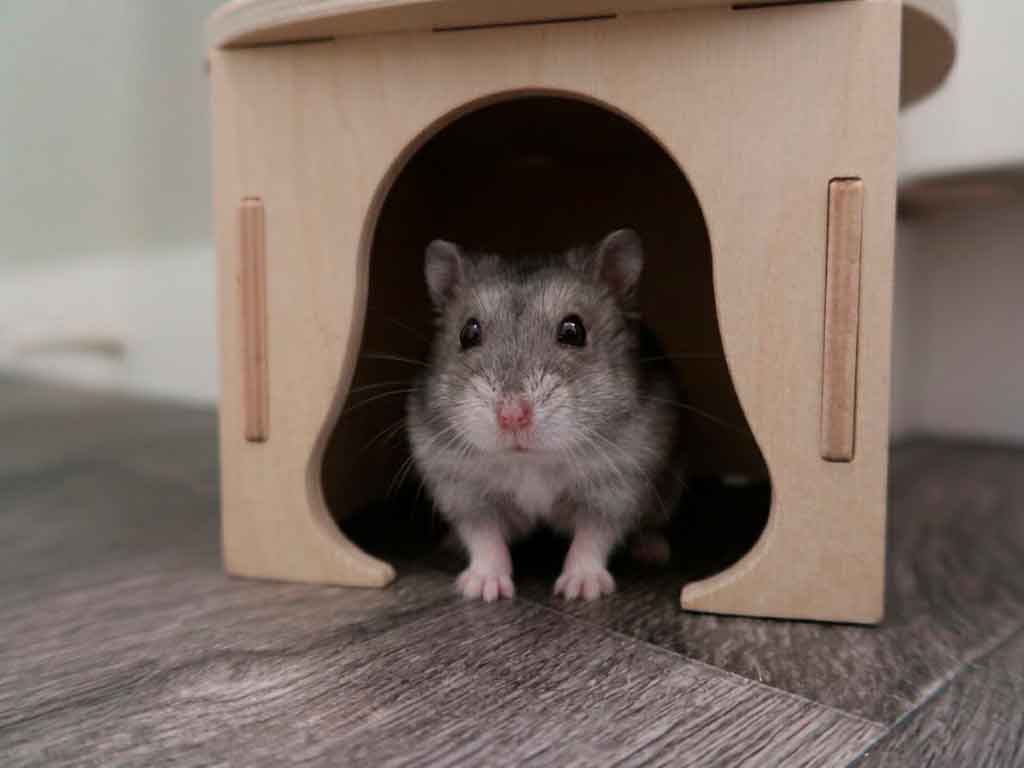
Pet hamster care starts with understanding how these small animals behave in the wild. Hamsters travel long distances, dig underground burrows, collect food, and spend much of their active time exploring. Their home needs to support those natural behaviors, with enough floor space, deep bedding, a suitable wheel, a varied diet, and a quiet place to sleep.
A hamster may fit comfortably in a small room, but its enclosure should offer plenty of space to move and explore. The right setup also makes everyday care easier and gives your pet more control over its environment.
This guide combines practical advice from our original care article with detailed husbandry recommendations from an experienced hamster keeper’s video. You’ll learn how to choose a hamster, prepare its habitat, provide appropriate enrichment, feed it, clean its enclosure, and recognize signs that require veterinary attention.
Quick Facts: Pet Hamster Care at a Glance
| Care area | What your hamster needs |
|---|---|
| Lifespan | Usually around 2–3 years, depending on species and individual health |
| Activity | Mainly active during the evening and night |
| Housing | A spacious enclosure with a large, continuous floor area |
| Floor space | Aim for approximately 800 square inches or more when possible |
| Bedding depth | At least 6 inches, with 10 inches or more preferred |
| Exercise | A solid-surface wheel with enough diameter for a straight back |
| Diet | A varied, nutritionally balanced hamster diet |
| Water | Fresh water available at all times |
| Social needs | One hamster per enclosure is the safest arrangement |
| Grooming | Sand baths, suitable nesting material, and occasional nail checks |
| Handling | Slow, patient interaction that follows the hamster’s comfort level |
| Veterinary care | Access to a veterinarian experienced with small exotic pets |
Is a Hamster the Right Pet for You?
Hamsters can be wonderful pets for people who enjoy observing small animals and providing an interesting habitat. They don’t need walks outside or constant attention, but their daily care still requires planning.
Here’s what nobody tells you before you bring one home: a hamster’s schedule may be very different from yours.
Most hamsters are nocturnal or crepuscular, meaning they tend to become active during the evening, night, and sometimes around dawn. A hamster may spend much of the day sleeping inside its nest. It might start running on its wheel, digging, and searching for food when the rest of the household is getting ready for bed.
This can be a problem if you place the enclosure in a child’s bedroom. Wheel noise and nighttime activity may disturb sleep.
Hamsters also have relatively short lifespans. Many live around two to three years, although lifespan varies with species, genetics, and health.
Before adopting one, consider whether your household can provide:
- A spacious enclosure that stays in one place.
- Appropriate bedding and enrichment.
- A suitable diet and fresh water every day.
- Regular cleaning and observation.
- Veterinary care when needed.
- A calm environment where the hamster can sleep undisturbed.
Hamsters are often described as low-maintenance pets, but their housing requirements are more involved than many starter kits suggest.
If you’re considering bringing one home, read our guide on where to get a hamster. It’s also worth planning the initial and ongoing expenses with our breakdown of how much a hamster costs.
Types of Pet Hamsters: Which One Should You Choose?
Different hamster species have different sizes, temperaments, and activity levels. Choosing one that suits your household can make everyday care more manageable.
The most common pet hamsters include:
| Species | General characteristics |
|---|---|
| Syrian | Largest common pet hamster; generally easier to handle when properly tamed; must live alone |
| Roborovski dwarf | Very small and fast; often better suited to observation than frequent handling |
| Winter White dwarf | Small, active, and known for seasonal coat changes |
| Campbell’s dwarf | Small and energetic; individual temperaments vary |
| Chinese | Slender body and longer tail than other common pet hamsters; generally solitary |
Syrian Hamsters
Syrian hamsters are among the most popular pet hamsters. They are larger than dwarf varieties, which can make them easier to pick up once they are comfortable with handling.
Their size also means they need an appropriately large wheel and enough room to explore. Syrian hamsters are solitary and should be housed individually.
Roborovski Hamsters
Roborovski hamsters are extremely small and quick. They can be fascinating to watch as they dig, forage, and move around their enclosure.
However, their speed can make handling difficult. They may be better suited to owners who enjoy observing natural behavior rather than frequently holding their pets.
Winter White and Campbell’s Dwarf Hamsters
These two dwarf varieties are often confused because they have similar appearances. Both are active and relatively small.
Their individual personalities vary. Some may become comfortable with gentle handling, while others remain nervous or prefer to avoid being picked up.
Chinese Hamsters
Chinese hamsters have a more elongated body and a longer tail than most other commonly kept hamster species. They are generally solitary and need an enclosure designed around their size and activity.
For a more detailed comparison, see our complete guide to hamster types and breeds.
Choosing the Right Hamster Enclosure
The enclosure is one of the most important parts of pet hamster care. A hamster may be small, but it naturally needs room to travel, forage, dig, and explore.
In the wild, hamsters can cover considerable distances during their nightly activity. One experienced hamster keeper featured in the source video recommends aiming for 800 square inches or more of continuous floor space.
This is a useful target when planning a habitat. It is also considerably larger than many colorful cages marketed as starter homes.
A larger enclosure gives you more room to provide:
- Deep bedding for burrowing.
- A properly sized exercise wheel.
- Hides and nesting areas.
- Tunnels and platforms.
- A sand bath.
- Food-foraging opportunities.
- Open space for movement.
The continuous floor area matters. A tall cage with several narrow levels does not provide the same burrowing and exploration opportunities as a large enclosure with a generous footprint.
Types of Hamster Enclosures
Several enclosure styles can work when they provide adequate space, ventilation, and security.
- Large glass aquariums: These can offer a wide floor area and allow deep bedding. They need a secure, well-ventilated top that prevents escapes.
- Large-barred enclosures: These can provide good airflow, but the bar spacing must be appropriate for the hamster’s size. Small dwarf hamsters may squeeze through gaps that seem surprisingly narrow.
- DIY enclosures: Some owners adapt furniture or build custom habitats. These can offer generous space, provided the materials are safe, the structure is secure, and ventilation is adequate.
Avoid choosing an enclosure simply because it includes colorful tubes, several small compartments, or accessories. Those features do not make up for insufficient floor space.
For help comparing suitable options, see our guide to the best hamster cages.
Small Pet Essentials
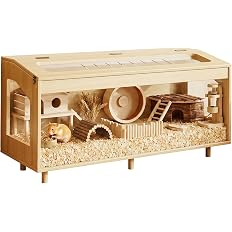
Wooden Hamster Cage with Acrylic Board Base, 39.4″
Extra Large, Easy Setup, Solid Pine Wood Material.
Shop on Amazon
Kaytee Forti-Diet Pro Health Nourish+Protect Hamster Food & Gerbil Food
Digestive support for hamsters. A small animal food with superfoods. Prebiotics, probiotics, hamster food mix.
Shop on Amazon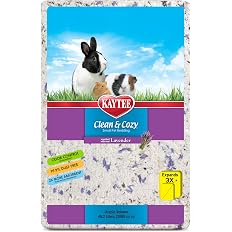
Kaytee Clean & Cozy Lavender Paper Bedding for Guinea Pigs, 49.2 Liters
Fresher habitats with rabbit bedding. Hamster bedding for small pets. 99% dust-free, absorbs 6x, lavender bedding.
Shop on Amazon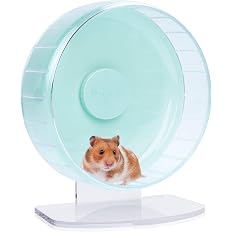
Niteangel Super-Silent Hamster Exercise Wheels: Quiet 10 inch Running Wheel
Can 10.6-13.4″ Adjustable Height – No Bend Back Spinner Running for Dwarf Syrian Hamster Gerbils Mice Or Other Small Animal.
Shop on AmazonAs an Amazon Associate, Happy Pet Zone earns from qualifying purchases, at no extra cost to you.
Where to Place Your Hamster’s Enclosure
The location of the enclosure affects your hamster’s comfort and daily routine.
Choose a quiet area with limited foot traffic. Hamsters can become startled by sudden movements, loud noises, and constant activity around their home.
Keep these points in mind:
- Avoid direct sunlight. Sunlight can heat an enclosure quickly, especially a glass tank.
- Avoid cold drafts. Do not place the habitat beside an exterior door, frequently opened window, or air-conditioning outlet.
- Choose a stable room temperature. The original care guide recommends keeping the room around 18–26°C (64–79°F).
- Maintain a regular light cycle. Avoid keeping the enclosure in a room with bright lights throughout the night.
- Protect sleeping time. Don’t wake your hamster simply because you want to play with it.
A quiet location also makes it easier for your hamster to establish a predictable routine.
Bedding and Burrowing: Why Depth Matters
Bedding is much more than a soft layer covering the bottom of a cage. Hamsters are ground-dwelling animals that naturally spend a large part of their time inside underground burrows.
A wild hamster’s burrow can extend deep into the ground and contain several chambers. These spaces may serve as sleeping areas, food storage, and places to relieve themselves.
Pet hamsters still have the instinct to dig and create tunnels. A thin layer of bedding prevents them from expressing this behavior.
The video used for this guide recommends:
- 6 inches (15 cm) as a minimum starting point.
- 10 inches (25 cm) or more as a preferred depth.
- Around 16 inches (40 cm) where the enclosure allows it.
Deeper bedding gives a hamster more opportunities to dig and build stable tunnels. The video also discusses research suggesting that deeper bedding can be associated with fewer stress-related behaviors.
Choosing Safe Bedding
A suitable substrate should meet two requirements: it needs to be safe for the hamster, and it should support natural digging.
Common options include:
- Paper-based hamster bedding.
- Aspen shavings.
- Hemp bedding.
- Birch shavings.
- Suitable spruce shavings.
- Other unscented, low-dust materials intended for small animals.
Avoid cedar and pine shavings, as well as scented bedding. These materials can irritate a hamster’s respiratory system.
Some substrates absorb moisture well but do not hold tunnels particularly well. Hemp, large aspen flakes, and certain paper beddings may collapse when a hamster tries to dig through them.
You can improve the structure by mixing suitable materials or adding layers of soft orchard grass hay. The goal is to create a bedding area that allows the hamster to dig without its tunnels immediately falling apart.
Materials That Are Poor Main Substrates
The video also identifies several materials that are unsuitable as the main digging substrate:
- Shredded toilet paper.
- Shredded newspaper.
- Paper pellets.
- Wood pellets.
These materials may have other uses in an enclosure, but they do not provide the loose, deep structure needed for natural burrowing.
Safe Nesting Materials for Hamsters
Hamsters collect nesting material and carry it back to their sleeping areas. They use it to create a comfortable place to rest.
Provide soft, easily torn, unscented paper that your hamster can move around safely.
Avoid fluffy cotton nesting products commonly sold in pet stores. Their long fibers can wrap around a hamster’s legs or toes and restrict circulation. Fibers can also become tangled around teeth, and swallowed material may cause a dangerous intestinal blockage.
Fabric should also be avoided for similar reasons.
A simple option is plain, unscented toilet paper torn into manageable pieces. It is easy for a hamster to carry and shred into a nest.
Keep the nesting area dry and check it during routine spot cleaning.
Choosing the Right Hamster Wheel
A suitable exercise wheel is an important part of a hamster’s enclosure. Hamsters naturally travel while foraging and exploring, and a wheel provides an opportunity to run safely indoors.
However, a wheel does not replace a large enclosure. Your hamster still needs room to dig, explore, and interact with its surroundings.
Choose a Solid Running Surface
The wheel should have a solid running surface. Wire and mesh wheels can trap toes or legs and cause injuries. They may also contribute to foot problems.
Look for a wheel that:
- Has a continuous, solid running surface.
- Spins smoothly.
- Is stable and securely positioned.
- Has no sharp edges or exposed gaps.
- Allows your hamster to run without arching its back.
Wooden wheels can be suitable when they have a safe, smooth running surface. However, some wooden designs have exposed steps or rough sections that can injure a hamster’s feet.
Inspect the wheel regularly for damage and wear.
What Size Wheel Does a Hamster Need?
Wheel diameter matters because a wheel that is too small forces the hamster to run with a curved back.
The video recommends the following starting points:
| Hamster type | Suggested wheel diameter |
|---|---|
| Syrian | 10–12 inches |
| Chinese | 10–12 inches |
| Dwarf | At least 8 inches |
These are starting recommendations, not a substitute for observing your individual hamster. The correct wheel should allow the animal to run with its back straight.
A larger wheel can be a good choice as long as the hamster can move it comfortably. It may also give the animal more control when slowing down or stopping.
Are Flying Saucer Wheels Suitable?
Flying saucer wheels are angled running surfaces rather than upright wheels.
The video creator does not recommend using them instead of a traditional upright wheel. Their angle can encourage an awkward running posture, and a hamster may slide or be thrown off when trying to stop.
A correctly sized upright wheel is the better primary option.
Why Hamster Balls Are Not Recommended
Hamster exercise balls are often sold as a way to let pets explore outside their enclosures. However, they have several safety and welfare concerns.
The hamster cannot control its surroundings as effectively inside a plastic ball. It may collide with furniture, walls, or other objects, potentially causing injury.
There are also concerns about ventilation. Exercise increases breathing rate, but the ball restricts airflow compared with an open environment.
The ventilation slots can trap small toes or feet, creating another injury risk.
A ball also limits the hamster’s ability to use its senses naturally. Its plastic walls interfere with the animal’s ability to explore through smell, hearing, and whisker contact.
Safer Alternatives to Exercise Balls
If you want to give your hamster time outside its enclosure, consider:
- A secure playpen with high, escape-proof sides.
- A dry, supervised bathtub with the drain closed and no water inside.
- A safe, enclosed play area with suitable hiding places.
Remove hazards, supervise the hamster continuously, and make sure it cannot fall or escape.
Hamster Enrichment and Natural Behaviors
A large enclosure still needs suitable enrichment. An empty habitat can leave a hamster with very little to do, even when it has plenty of floor space.
Think about the activities a hamster performs naturally: digging, hiding, chewing, collecting food, and exploring different areas.
A useful enclosure can include:
- A secure hideout or sleeping house.
- Tunnels and bridges.
- Suitable wooden chew toys.
- Safe branches from appropriate fruit trees.
- Deep bedding for burrowing.
- A sand bath.
- A solid exercise wheel.
- Scattered food or small foraging opportunities.
Change the arrangement carefully when needed, but avoid constantly disturbing established nests and burrows. Hamsters rely heavily on familiar scents and spaces.
Chewing materials are also important because hamster teeth continue growing throughout life. Safe chewing opportunities help provide normal wear. If you notice teeth that appear abnormal or prevent eating, consult a veterinarian.
Feeding Your Hamster a Varied Diet
Hamsters are omnivores. In the wild, their food can include seeds, grains, grasses, vegetables, and insects. Their natural diet contains variety, so a suitable pet diet should provide balanced nutrition and opportunities to explore different foods.
The original article recommends a commercial hamster food as the daily base, with suitable fresh foods added in appropriate portions.
The video also raises an important point: a diet made up of only a few ingredients may lack variety. Owners should pay attention to the ingredient list and nutritional balance rather than choosing a food simply because it is marketed for hamsters.
Build a Balanced Daily Diet
A suitable feeding routine can include:
- A complete hamster food: Choose a nutritionally balanced food designed for the species and life stage. Depending on the product, this may be a suitable seed mix, a formulated food, or a combination recommended by a qualified professional.
- Variety from appropriate ingredients: Foods such as oats, wheat, corn, barley, rice, and lentils may appear in suitable hamster food mixes. Any homemade mixture needs careful nutritional planning to avoid deficiencies or imbalances.
- Fresh vegetables: Small portions of suitable vegetables can add variety. The original guide includes carrots, zucchini, tender sprouts, and small amounts of broccoli.
- Fruit: Fruit should be offered sparingly because of its natural sugar content. The original guide suggests small portions two or three times per week rather than daily servings.
- Suitable protein sources: Hamsters are omnivores, so appropriate protein sources can be part of a balanced diet. The original guide mentions occasional unsalted nuts, such as walnuts or sunflower seeds, but these are energy-dense foods and should be portioned carefully.
For portion guidance, food safety, and a more detailed list of suitable ingredients, see our hamster food guide.
Cut Fresh Foods Into Small Pieces
Hamsters often carry food back to their nests and store it for later. This behavior is natural, but it can create a problem when they store moist foods.
Large pieces of vegetables or fruit may remain hidden and spoil. Cutting fresh food into small portions makes it easier for the hamster to eat and reduces the amount of moist food it can carry away.
Remove uneaten fresh food during routine cleaning, especially if it has become damp or spoiled.
Fresh Water Is Essential
Hamsters need access to fresh drinking water at all times. They cannot rely on fruit or vegetables to meet their water needs.
You can provide water in a suitable bottle or a stable, shallow bowl. Both options need regular cleaning and refilling.
Check the water supply every day. A bottle can become blocked, while a bowl can be tipped over or filled with bedding.
Foods to Avoid
The care guide identifies several foods that should not be offered:
- Grapes.
- Onion.
- Garlic.
- Avocado.
- Rhubarb.
- Chocolate.
- Salty foods.
- Spicy foods.
Food safety can vary by ingredient and portion. When you are unsure whether something is suitable, leave it out and check with a veterinarian familiar with small mammals.
How to Clean a Hamster Enclosure
Cleaning is necessary, but the way you do it can affect your hamster’s comfort.
Hamsters rely heavily on smell. They use scent to recognize their surroundings and mark familiar areas. The video explains that Syrian hamsters have scent glands near their hips, while dwarf hamsters have a scent gland on the underside of the body.
A complete enclosure clean removes much of the familiar scent. This can be stressful, especially when it happens frequently.
The creator of the video recommends spot cleaning rather than automatically emptying the entire enclosure every week.
Spot Cleaning
Look for areas where your hamster regularly urinates. These sections may be darker or damp compared with the surrounding bedding.
During routine cleaning:
- Find the soiled areas.
- Remove wet bedding.
- Remove spoiled or uneaten fresh food.
- Check the sleeping area for damp material.
- Replace the removed bedding with clean, suitable substrate.
Hamsters often choose particular places to urinate, which can make cleaning easier.
What About Droppings?
Hamster droppings are generally dry and do not have a strong smell. The video explains that hamsters may also use droppings as part of their scent-marking behavior.
Remove large accumulated piles when necessary, especially if they are mixed with wet or dirty bedding. There is usually no reason to dismantle a healthy burrow just to remove every individual dropping.
How Often Should You Replace Bedding?
The video suggests removing around one-third of the bedding every two weeks when additional cleaning is needed. This approach gradually refreshes the enclosure while leaving some familiar material in place.
The exact cleaning schedule depends on enclosure size, ventilation, the hamster’s habits, and how quickly areas become soiled.
A complete clean may be necessary if the enclosure becomes heavily contaminated, if the hamster has a contagious illness, or after a death. Follow veterinary advice when disease is involved.
One important exception is a hamster that urinates inside its sleeping nest. Damp bedding left in a burrow can contribute to skin irritation and other problems. You may need to carefully remove the wet material, even if doing so disturbs part of the nest.
Grooming, Sand Baths, Nails, and Teeth
Hamsters generally groom themselves, so they do not need regular water baths. Their grooming needs are usually managed through an appropriate environment and occasional checks.
Provide a Suitable Sand Bath
A sand bath allows a hamster to move around in sand, dig, and help manage excess oils in its coat.
The video recommends providing a sand bath for healthy hamsters and explains that individuals use it differently. Some roll around, others dig, and some use the area as a toilet.
Choose suitable sand rather than fine dust. Dusty products can irritate the respiratory system.
Possible options discussed in the video include:
- Suitable chinchilla sand, where the product is not excessively dusty.
- Children’s play sand that has been properly prepared and checked for suitability.
- Reptile sand without added calcium or artificial dyes.
Avoid bird sand and cat litter. These products are not appropriate substitutes for a suitable hamster sand bath.
Why You Should Avoid Water Baths
Hamsters should not be bathed in water as part of routine grooming.
Water bathing can remove natural oils from the coat and cause unnecessary stress. A wet hamster may also become chilled, especially if it is not dried properly.
If a hamster has a substance stuck to its fur or a coat problem that it cannot manage itself, ask a veterinarian for advice rather than attempting a full bath.
Check Long Hair and Nails
Long-haired Syrian hamsters may occasionally need help with their coats. Bedding can become tangled in long fur, and mats may need attention.
Nails usually wear down through normal movement across different surfaces. However, some hamsters develop overgrown nails that curl toward the feet.
Overgrown nails can cause pain and may lead to injury or infection. If trimming is needed, ask a veterinarian or an experienced professional to show you how to do it safely.
Monitor Teeth
Hamster teeth grow continuously, so suitable chewing materials and a balanced diet are important.
Provide safe wooden items and other appropriate materials that encourage natural chewing. Avoid trying to trim your hamster’s teeth at home.
If the teeth become overgrown, uneven, damaged, or interfere with eating, a veterinarian experienced with small exotic pets should examine them.
Should Hamsters Live Alone or in Pairs?
For pet owners, one hamster per enclosure is the safest arrangement.
Syrian and Chinese hamsters are solitary animals. Housing two together can lead to serious fighting and injuries.
Some dwarf hamster species may live in social groups under certain natural conditions. However, the video explains why those conditions do not necessarily apply to captivity.
In the wild, living close to another hamster may offer benefits related to reproduction or safety. Pet hamsters do not need a cage mate for those reasons.
Even hamsters that are siblings or have grown up together can develop conflict. Their relationship may change as they mature, and fighting can happen suddenly.
For this reason, avoid assuming that two dwarf hamsters will remain compatible simply because they have lived together since they were young.
A separate enclosure gives each hamster control over its own food, sleeping area, and territory. It also makes it easier to monitor eating habits and health.
Handling and Taming Your Hamster
Many new hamsters are nervous around people. They may not be accustomed to human hands, sudden movements, or being picked up.
Taming takes patience. Some hamsters become comfortable with handling within days or weeks, while others need months. A few may never enjoy being held.
The goal should be to build trust at the hamster’s pace.
Give Your Hamster Time to Settle In
When your hamster first arrives, allow it several quiet days to explore its enclosure and establish a routine.
During this period:
- Keep the room calm.
- Avoid unnecessary handling.
- Provide fresh food and water.
- Speak gently near the enclosure.
- Let the hamster explore without interruption.
Introduce Your Hand Slowly
Once the hamster appears comfortable with its surroundings, begin offering your hand.
Place your hand near the hamster and allow it to investigate. You can offer a small suitable treat to create a positive association.
Avoid grabbing from above. A sudden hand approaching from overhead can resemble a predator, especially to an animal with poor eyesight.
When your hamster becomes comfortable, let it step onto your open palm voluntarily.
Keep Handling Sessions Calm
Early handling sessions should be short and take place close to the floor or inside a secure, enclosed space.
If your hamster becomes frightened, tries to escape, or repeatedly nips, stop and give it time. Avoid forcing contact.
Some hamsters eventually become comfortable sitting in a person’s hands. Others prefer to interact through the enclosure, accept food, and continue exploring independently.
Both outcomes can be acceptable.
For a step-by-step approach, read our guide on how to tame a new hamster.
Respect Your Hamster’s Sleep Schedule
Hamsters are nocturnal or crepuscular. Waking one during the day to play can cause unnecessary stress.
Try to interact when your hamster is naturally awake. A predictable evening routine is often easier for both the pet and the owner.
Hamster Health: Warning Signs to Watch For
Hamsters are prey animals, so they may hide signs of illness. Small changes in behavior can be important.
Spend a few minutes observing your hamster each day. Notice its activity, appetite, movement, coat, breathing, and general appearance.
The video identifies several warning signs that should prompt veterinary attention.
| Warning sign | What to watch for |
|---|---|
| Behavior changes | Sudden withdrawal, unusual aggression, or a major change in activity |
| Weight changes | Unexpected weight gain or loss |
| Discharge | Fluid from the eyes, nose, ears, or genital area |
| Digestive problems | Diarrhea or a change in droppings |
| Coat problems | Hair loss, itching, or irritated skin |
| Breathing problems | Wheezing, sneezing, or difficulty breathing |
| Mouth problems | Unpleasant odor or difficulty eating |
| Swelling | New lumps, bumps, or unexplained swelling |
| Reduced activity | Unusual inactivity, weakness, or collapse |
| Appetite changes | Refusing food or eating much less than usual |
| Drinking changes | A noticeable increase in water consumption |
| Movement problems | Limping, falling, or difficulty walking |
Wet Tail and Diarrhea
Diarrhea can become dangerous quickly in a small animal. A hamster with diarrhea, a wet or soiled rear end, or a sudden decline in activity needs prompt veterinary attention.
Do not assume that every digestive problem is wet tail. A veterinarian needs to assess the symptoms and determine the cause.
Our guide to hamster illness signs and wet tail explains additional warning signs and why early treatment matters.
Breathing and Respiratory Problems
Sneezing, wheezing, nasal discharge, and difficulty breathing can indicate a health problem.
Check the enclosure for dusty or scented bedding, but don’t assume that changing the substrate will solve the issue. A hamster showing respiratory symptoms should be examined by a veterinarian.
Cold or Unresponsive Hamsters
A hamster that feels cold and is barely responsive may be experiencing a serious problem. In some circumstances, hamsters can enter a torpor-like state when exposed to unsuitable environmental conditions.
Do not assume that a cold, unresponsive hamster is dead or simply sleeping. Handle the situation carefully and seek urgent veterinary guidance.
Our article on hamster hibernation: dead or sleeping? explains how to recognize the difference and what to do.
Find an Exotic Pet Veterinarian Before an Emergency
Hamsters need veterinary care from someone familiar with small mammals. A clinic that mainly treats dogs and cats may not have the experience or equipment needed for hamster-specific problems.
Find a suitable veterinarian before your hamster becomes ill. Keep the clinic’s contact information available and ask where to go if an emergency happens outside normal hours.
If your hamster stops eating, has diarrhea, struggles to breathe, develops swelling, or becomes unusually inactive, contact a veterinarian promptly. Breathing difficulty, collapse, and severe weakness require urgent attention.
This article provides general husbandry information and cannot replace an individual veterinary examination.
Common Pet Hamster Care Mistakes
Many problems begin with small decisions made when preparing the enclosure. A cage may look attractive in a store, for example, but still lack enough floor space or bedding depth.
Avoid these common mistakes:
- Choosing a small starter cage: A hamster needs enough continuous floor space to explore and enough room for deep bedding.
- Relying on multiple levels: Extra levels do not replace a suitable ground-level footprint.
- Using shallow bedding: Hamsters need room to dig and create tunnels.
- Buying unsafe nesting material: Cotton fibers and fabric can create serious risks.
- Using a wire wheel: Toes and feet can become trapped or injured.
- Choosing a wheel that is too small: A curved running posture can place strain on the back.
- Using an exercise ball: It limits sensory exploration and can cause injuries.
- Offering too little dietary variety: Food should be nutritionally balanced and appropriate for an omnivorous animal.
- Forgetting fresh water: Water must remain available throughout the day and night.
- Cleaning the entire enclosure too frequently: Removing all familiar scents can be stressful.
- Housing hamsters together: Separate housing is the safest choice for pet hamsters.
- Waking a hamster during the day: Disturbing normal sleep can create stress.
- Waiting too long to contact a veterinarian: Small animals can deteriorate quickly when ill.
A Practical Pet Hamster Care Routine
A simple routine helps you notice changes before they become bigger problems.
Daily Care
- Check that fresh water is available.
- Provide the appropriate daily food portion.
- Remove spoiled fresh food.
- Check for wet or soiled bedding.
- Observe your hamster’s activity and appearance.
- Make sure the wheel and enclosure are safe.
Weekly Care
- Inspect the enclosure for damaged accessories.
- Check the sand bath and replace contaminated sand as needed.
- Examine nesting areas for damp material.
- Review the bedding condition and remove soiled sections.
- Check whether food and water containers need a more thorough wash.
- Look for changes in weight, coat, movement, or behavior.
Periodic Care
- Replace portions of bedding when needed while retaining some familiar material.
- Inspect the wheel, hides, tunnels, and chew toys for damage.
- Check nails and teeth for signs of problems.
- Review the enclosure layout as your hamster’s needs change.
- Arrange veterinary attention whenever health concerns appear.
Preparing Before Bringing a Hamster Home
It’s easier to prepare the habitat before your hamster arrives. That way, your new pet can settle into a complete enclosure instead of living in a temporary setup while you shop for missing items.
Use this checklist:
- A spacious, secure enclosure with good ventilation.
- Enough floor space for movement and enrichment.
- Deep, suitable bedding.
- Safe nesting material.
- A hideout and appropriate tunnels.
- A solid-surface wheel of the correct size.
- A suitable sand bath.
- Appropriate chew materials.
- A nutritionally balanced hamster food.
- A water bottle or stable water bowl.
- A quiet location away from direct sunlight and drafts.
- Contact details for a veterinarian experienced with small exotic pets.
Keep your setup simple at first, then add suitable enrichment as you learn what your hamster enjoys.
Frequently Asked Questions
A hamster’s home should support the way it naturally lives: digging, collecting food, exploring, and resting in a secure nest. Give your pet enough space, deep bedding, safe enrichment, and a predictable routine. Keep an eye on small changes in behavior, and have an exotic-pet veterinarian available when something doesn’t seem right.