Pachón Navarro Dog: Spanish Hunting Breed Guide
The Pachón Navarro dog is one of Spain’s oldest indigenous dog breeds, originating from the Navarre region in northern Spain. Known for its distinctive split nose, calm temperament, and hunting prowess, this medium-sized hound has been a faithful companion to hunters and families for centuries.
If you’ve never heard of the Pachón Navarro, you’re not alone—this breed remains relatively unknown outside Spain. Yet it’s a remarkable dog that nearly disappeared from existence. Let’s explore everything you need to know about this historic Spanish breed.
History and Origins of the Pachón Navarro Dog
The Pachón Navarro dog has deep historical roots in Spanish culture. Records suggest the breed existed as early as the 13th century, making it one of Europe’s oldest hunting dog lineages. The breed was developed by Spanish nobility and hunters in the Navarre region, who needed a versatile, tireless hunting companion.
Historical accounts indicate that Pachón Navarros were crossed with other Iberian hound breeds to create a dog optimized for hunting game in Spain’s challenging terrain. Unlike many hunting breeds that specialize in a single quarry, the Pachón Navarro was a generalist hunter—equally capable of pursuing rabbits, hares, boar, and birds.
The breed’s distinctive split nose became a trademark. Spanish hunters believed this unique feature enhanced the dog’s olfactory capabilities, giving it a competitive advantage in tracking scent. While debate continues among experts about whether the split nose genuinely improves smell, the feature remains iconic and breed-defining.
For centuries, Pachón Navarros were exclusively owned by Spanish nobility and serious hunters. Their reputation spread throughout the Iberian Peninsula, and they became symbols of Spanish sporting heritage. However, the 20th century posed challenges. As traditional hunting declined and modern dog breeds (often foreign) gained popularity, interest in the Pachón Navarro waned.
By the late 1970s and 1980s, the breed was critically endangered. Breed enthusiasts in Spain initiated conservation efforts, establishing breed clubs and implementing formal breeding standards. These efforts prevented extinction and have led to a modest resurgence in popularity, though the Pachón Navarro remains rare outside Spain.
Physical Characteristics and Appearance
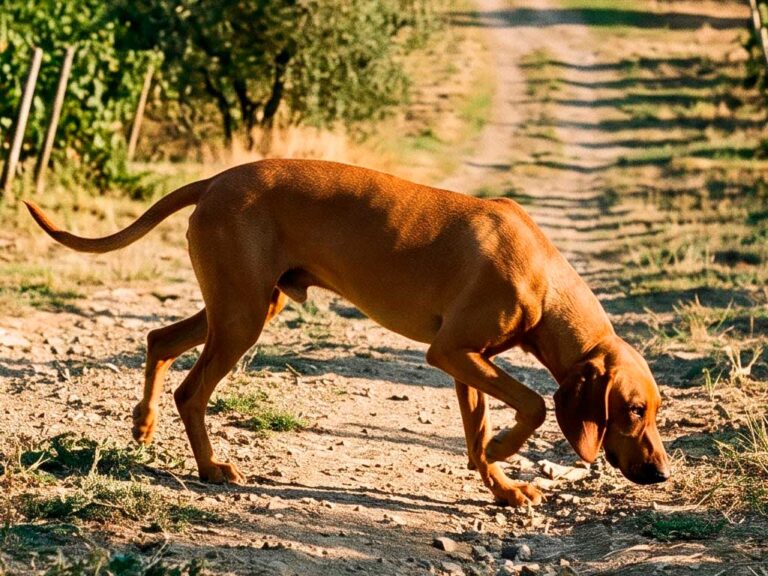
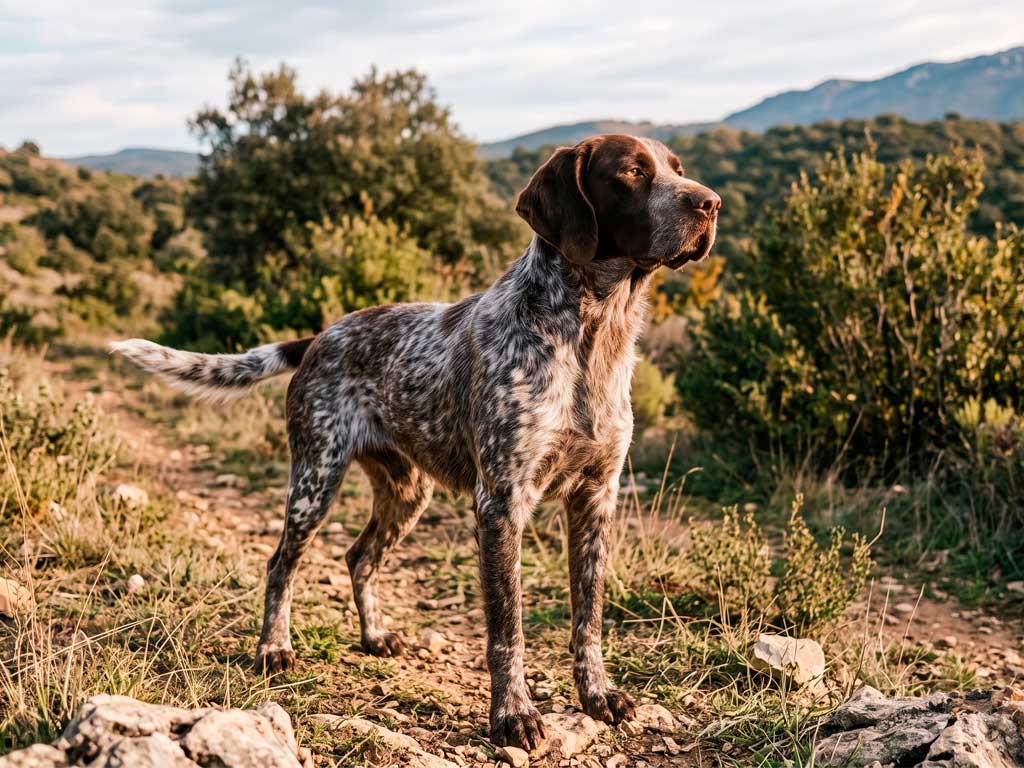
The Pachón Navarro dog is a medium-sized, athletic hound built for endurance. Males typically stand 48–60 cm (19–24 inches) at the shoulder and weigh 20–30 kg (44–66 pounds). Females are similar in size or slightly smaller.
Their body is robust and well-muscled, with proportions optimized for traversing rough terrain. The back is straight and strong, the chest deep, and the legs long and well-boned. This structure reflects the breed’s working heritage—they’re built to cover distance without fatigue.
The head is large and noble, with a long, tapered muzzle. The ears are long, pendant-shaped, and sit below the eyes, a feature typical of scent hounds. The eyes are dark and soulful, conveying intelligence and warmth.
The split nose (nariz partida) is the breed’s most distinctive feature. Some Pachón Navarros have a completely divided nose, with a visible cleft running down the center. Others display a slight fissure or indentation. This trait is so characteristic that it appears in breed standards and is considered highly desirable.
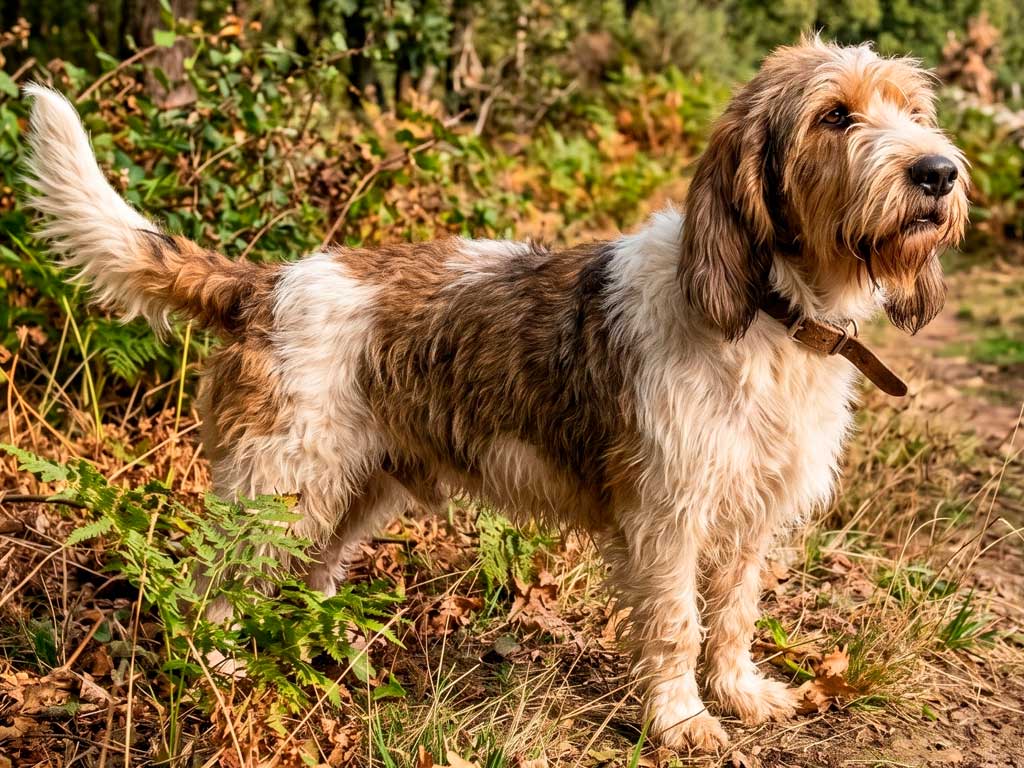
The coat is short, dense, and weather-resistant—perfectly suited for outdoor work. Coloring includes:
- White with brown, red, or black markings
- Combinations of these colors in varying patterns
- Most dogs display some combination of white and another color
The tail is medium-length and carried naturally, neither curled nor drooping excessively.
Temperament and Personality
The Pachón Navarro dog is renowned for its calm, balanced, and loyal temperament. These dogs are intelligent, eager to please, and form deep bonds with their families.
Unlike some hunting breeds that are hyperactive or prone to aggression, Pachón Navarros exhibit a serene confidence. They’re neither shy nor aggressive—simply steady and dependable. Their trainers and owners often describe them as having an old-soul quality, almost contemplative in their bearing.
With family: Pachón Navarros are affectionate and protective. They enjoy being part of family activities and form particularly strong attachments to one or two family members. They’re patient with children and tolerant of the chaos of family life.
With other dogs: When properly socialized, they’re generally friendly toward other dogs. Their pack-hunting heritage means they can coexist peacefully in multi-dog households, though individual personality varies.
Prey drive: Despite their calm demeanor, Pachón Navarros retain strong hunting instincts. Small animals—cats, rabbits, rodents—may trigger chase responses. Early, consistent socialization can mitigate this, but it’s never fully suppressed.
Stubbornness: Pachón Navarros are thinkers. They were bred to work independently and make decisions during hunts. This means they’re not blindly obedient but rather thoughtful about commands. Experienced dog owners appreciate this quality; novices sometimes find it frustrating.
Energy level: Despite their hunting background, Pachón Navarros aren’t hyperactive. They have moderate to moderately high energy and adapt well to both active households and more sedentary lifestyles, provided they receive adequate daily exercise.
Care and Maintenance
Exercise and Activity Needs
A Pachón Navarro needs 1-2 hours of daily exercise. This can include:
- Long walks through varied terrain
- Running or jogging alongside a bike
- Scent work or nose games
- Swimming (they generally enjoy water)
- Free play in a secure area
These dogs were built for hunting—they enjoy mental stimulation as much as physical activity. Puzzle toys, scent games, and training sessions engage their minds.
Coat Care and Grooming
The Pachón Navarro’s short, dense coat is low-maintenance:
- Brush once weekly to remove dead hair and maintain coat health
- Bathe every 6–8 weeks or as needed
- Check and clean ears weekly—their long, pendant ears trap moisture and can develop infections
- Trim nails every 4–6 weeks
- Clean paw pads after walks, especially in wet or muddy conditions
Training and Obedience
Pachón Navarros are intelligent and can excel in obedience training. However, success depends on approach:
- Use positive reinforcement—treats, praise, play work well
- Keep sessions short (10–15 minutes) and engaging
- Avoid harsh corrections; they respond poorly to punishment-based methods
- Scent work training is ideal—it aligns with their natural drives and builds confidence
- Reliable recall training is essential; never leave them off-leash in unsecured areas
Nutrition
Feed a high-quality, large-breed or medium-breed dog food formulated for active dogs. A typical adult Pachón Navarro requires:
- 2–3 cups of dry food daily, depending on age, metabolism, and activity level
- Portion sizes should be adjusted to maintain ideal body weight
Consult your veterinarian for breed-specific recommendations and any special dietary needs.
Health Considerations
The Pachón Navarro is generally a healthy, hardy breed with few breed-specific health problems. However, potential concerns include:
Hip and elbow dysplasia: Common in many medium to large breeds. Responsible breeders screen parents’ hips and elbows before breeding.
Ear infections: Their long, floppy ears are prone to moisture accumulation. Regular cleaning and drying prevent infections.
Thyroid issues: Some anecdotal reports exist, though formal data is limited due to the breed’s rarity.
Bloat: Less common than in deeper-chested breeds, but possible. Feed multiple smaller meals rather than one large meal, and avoid vigorous exercise immediately after eating.
Lifespan is typically 12–14 years, which is good for a medium-sized dog.
Training Considerations
Pachón Navarros are capable of learning complex commands and behaviors, but they’re not eager-to-please robots. They need:
- Clear leadership but not harshness
- Consistency across all handlers
- Variety to keep training interesting
- Rewards that matter to the individual dog
Early socialization (exposing puppies to people, animals, and environments) is critical. A well-socialized Pachón Navarro is a confident, friendly adult.
Is the Pachón Navarro Dog Right for You?
A Pachón Navarro is ideal if you:
- Live in an active household with time for 1-2 hours of daily exercise
- Want a calm, balanced, family-oriented dog
- Have hunting interests or enjoy outdoor activities
- Can provide consistent training and socialization
- Appreciate a dog with personality and independent thinking
- Are comfortable with a rare breed (veterinary expertise may be limited)
A Pachón Navarro is not right if you:
- Want an easily trainable, eager-to-please breed
- Live in a small apartment with minimal outdoor access
- Are inexperienced with dog training
- Expect a dog to integrate seamlessly with cats or small pets without socialization
- Cannot provide consistent exercise and mental stimulation
Frequently Asked Questions
1. How rare is the Pachón Navarro dog? Very rare outside Spain. Even within Spain, fewer than a few hundred are registered annually. Finding a breeder may require patience and potentially international connections.
2. What makes the Pachón Navarro’s split nose special? The split nose is a genetic trait specific to the breed. While debate continues about whether it improves smell, it’s a defining characteristic and a source of breed pride among enthusiasts.
3. Can a Pachón Navarro be a family pet? Absolutely. While historically a hunting dog, modern Pachón Navarros excel as family companions. They’re calm, loyal, and patient with children.
4. How much exercise does a Pachón Navarro need? At least 1–2 hours daily. They’re not high-energy dogs that need constant activity, but they do need consistent, meaningful exercise.
5. Are Pachón Navarros good with other pets? With proper early socialization, yes. However, their hunting heritage means they retain prey drive toward small animals. Introducing them to cats or small pets as puppies increases the likelihood of peaceful coexistence.
6. Where can I find a Pachón Navarro puppy? Contact Spanish breed clubs or international dog organizations. Reputable breeders will have health screening documentation and can explain the breed’s heritage and needs.
A Breed Worth Knowing
The Pachón Navarro dog represents Spanish hunting heritage and the importance of breed preservation. Nearly lost to extinction, this breed has been rescued by dedicated enthusiasts. If you’re drawn to rare, historically significant dogs with distinctive character, the Pachón Navarro deserves serious consideration.
Their calm temperament, hunting heritage, and unique appearance make them extraordinary companions for the right household. While finding a puppy may require effort, the reward is a dog with deep roots in European sporting tradition.
Disclaimer: This guide is informational and not a substitute for professional veterinary advice. Consult your veterinarian before acquiring any dog and discuss breed-specific health and behavioral concerns with responsible breeders.