Hungarian Kuvasz: The Complete Guide to This Noble Guardian
Are you considering bringing a Hungarian Kuvasz into your home? You will discover exactly what it takes to raise this magnificent flock guardian in this definitive breed guide. We have spent years analyzing canine behavior and working alongside large working breeds to understand their unique needs.
You will learn about their fascinating royal history, intense grooming requirements, and specific training protocols for protecting your family. Let us dive into the details.
History and Origin
The Hungarian Kuvasz boasts an incredibly rich and ancient lineage. Archaeologists have discovered skeletons of similar dogs in Hungary dating back to the ninth century. Nomadic Magyar tribes originally utilized these powerful canines to protect their valuable livestock flocks.
These dogs faced brutal mountain conditions while defending sheep from wolves and bears. During the fifteenth century, the breed caught the attention of Hungarian royalty. King Matthias Corvinus famously favored these dogs over his own human guards.
He even gifted Kuvasz puppies to visiting nobles as a sign of ultimate respect. Legend suggests the king kept his loyal companions close during royal banquets. Guests reportedly wiped their greasy hands on the dogs’ thick coats.
Despite this royal elevation, their primary function always remained rooted in livestock protection. World War II nearly decimated the entire breed population in Europe. Dedicated breeders carefully revived the bloodline from just a few dozen surviving dogs. Today, they remain a beloved symbol of Hungarian heritage and canine resilience.
Physical Characteristics
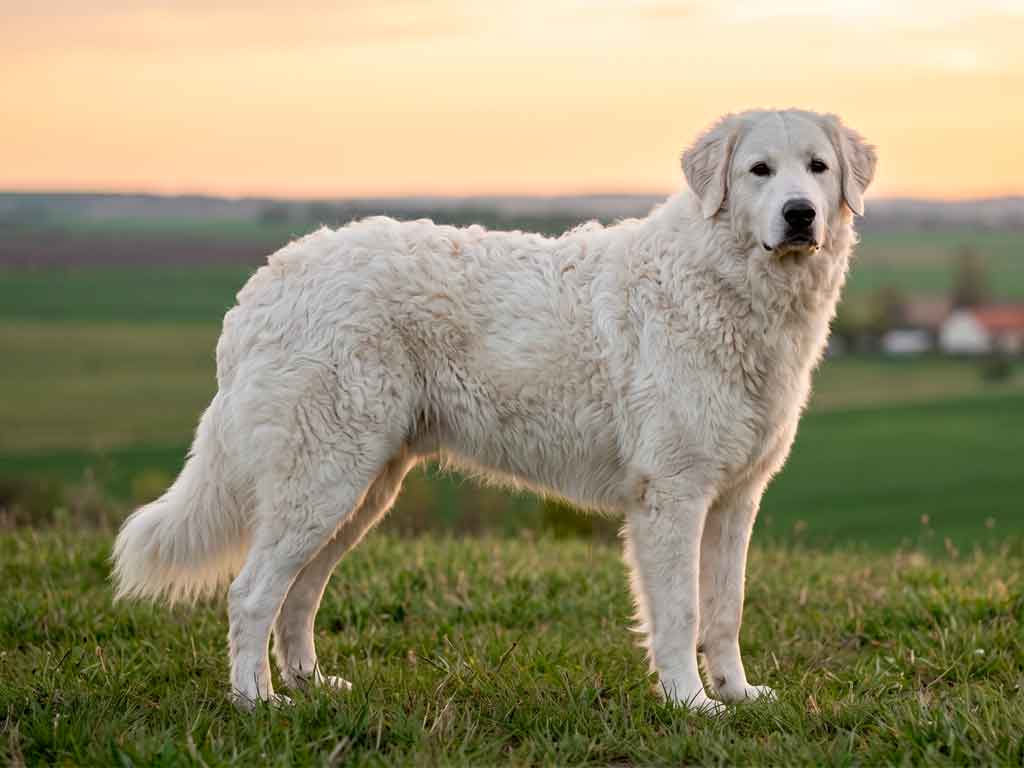
You cannot ignore the majestic presence of a fully grown Hungarian Kuvasz. Adult males stand between 28 and 30 inches tall at the shoulder. They typically weigh a robust 90 to 115 pounds.
Females are slightly smaller but still present a formidable and sturdy figure. Their stunning pure white coat serves a very specific historical purpose. Shepherds needed to easily distinguish their dogs from dark-colored wolves during nighttime predator attacks.
The skin beneath that thick white fur is strikingly dark, usually gray or black. This dense double coat features a coarse outer layer and a soft, woolly undercoat. You will notice a distinct mane of longer, thicker hair around their neck.
The fur on the back of their legs and tail can reach up to six inches in length. Their dark, almond-shaped eyes project incredible intelligence and unwavering alertness. Floppy, V-shaped ears frame their broad, beautifully proportioned heads.
Temperament and Personality
Centuries of guarding livestock have deeply ingrained a protective instinct into the Hungarian Kuvasz. They view their human family as a flock that requires constant supervision and defense. Consequently, these dogs naturally display suspicion toward strangers entering their territory.
You must understand that they are independent thinkers capable of making quick decisions. Fierce loyalty defines their relationship with their primary owners. They will offer boundless affection to those they trust and respect.
However, this is not a golden retriever eager to please every passing guest. You need to provide clear leadership to prevent them from becoming overly dominant. Their loud, booming bark serves as an excellent deterrent to potential intruders.
They will proudly patrol your property boundaries multiple times throughout the day. Living with other pets requires careful early socialization to ensure peaceful coexistence. Children in the household need supervision around these massive, sometimes overly serious dogs.
Care Guide
Properly caring for this giant breed requires significant time and financial commitment. You must prepare for the responsibilities of managing a massive, strong-willed working dog.
Diet and Nutrition
Feeding a giant breed demands specialized nutrition to support their massive bone structure. Large dogs require a careful balance of calcium and phosphorus during their crucial growth phases. You should select a high-quality commercial kibble specifically formulated for giant breeds.
Many owners choose to supplement their diet with omega fatty acids to support coat health. Joint supplements containing glucosamine and chondroitin can also provide valuable orthopedic support as they age. Because of their deep chests, this breed is prone to developing gastric dilatation-volvulus.
Bloat is a life-threatening emergency that requires immediate surgical intervention. Feeding two or three smaller meals daily significantly reduces this serious risk. Additionally, you should prevent vigorous exercise for at least an hour after they eat. Always ensure they have access to fresh, clean water throughout the entire day.
Exercise Requirements
A Hungarian Kuvasz thrives when given a specific job to perform. They absolutely need a large, securely fenced yard to patrol and protect. Apartment living is completely inappropriate for this active, space-loving breed.
You should provide at least one to two hours of vigorous exercise daily. Long walks, hiking trips, or supervised running in a secure area will keep them physically fit. Mental stimulation is equally crucial to prevent destructive boredom behaviors.
Puzzle toys and obedience games help satisfy their high canine intelligence. Failing to exercise them adequately often results in severe behavioral problems.
Grooming Needs
Maintaining that gorgeous white coat demands consistent and dedicated grooming efforts. You must brush their dense fur at least twice a week to prevent painful matting. Using a high-quality slicker brush helps remove dead hair trapped near the skin.
During the heavy shedding seasons in spring and fall, daily brushing becomes absolutely mandatory. You will find dog hair on your furniture, clothes, and floors constantly. Investing in a heavy-duty vacuum cleaner is essential for keeping your home clean.
Regular baths are rarely necessary because their coarse fur naturally repels dirt and mud. Trimming their nails monthly prevents painful splitting and walking difficulties. Regularly checking their floppy ears for infection completes their basic grooming routine. Keeping their teeth brushed several times a week prevents dangerous dental diseases.
Training and Education
Training a Hungarian Kuvasz requires patience, consistency, and a firm but gentle approach. These intelligent dogs possess a stubborn streak rooted in their independent working heritage. Harsh physical corrections will only damage your bond and create dangerous defensive aggression.
Positive reinforcement utilizing high-value treats and enthusiastic praise yields the best results. Professional trainers highly recommend implementing a nothing-in-life-is-free protocol. This approach requires the dog to perform a command before receiving food, play, or affection.
Early socialization is absolutely critical for this naturally suspicious guardian breed. You must expose your puppy to diverse people, environments, and situations from day one. Proper socialization prevents their protective instincts from morphing into fear-based aggression.
Obedience classes offer excellent opportunities for controlled socialization and structured learning. They quickly master basic commands but may hesitate to execute them if they see no practical purpose. Keeping training sessions short and engaging prevents them from losing interest.
Establishing clear house rules early prevents them from testing your authority later. You must consistently prove that you are a capable and trustworthy leader. Consistent boundaries help them feel secure and confident in their specific role within the family.
Health and Longevity
Disclaimer: The following health information is for educational purposes only. You must always consult a licensed veterinarian for professional medical advice regarding your pet.
The Hungarian Kuvasz is generally a robust and healthy breed with a life expectancy of 10 to 12 years. Responsible breeders actively screen their breeding stock for common genetic issues. Hip dysplasia frequently affects many large breeds, causing painful arthritis and mobility problems.
Reputable breeders will always provide joint clearance certificates for both parents. Eye conditions also occasionally affect this breed, including progressive retinal atrophy. Regular veterinary checkups help catch these hereditary issues before they become severe.
Their floppy ears can trap moisture, making them susceptible to painful yeast infections. Routine cleaning with a vet-approved solution prevents bacterial buildup. You should also monitor their weight carefully to minimize stress on their developing joints.
Keeping your dog lean significantly reduces the risk of orthopedic complications. Proactive veterinary care ensures your majestic companion enjoys a long, comfortable life.
Is the Hungarian Kuvasz the Right Dog for You?
Owning a Hungarian Kuvasz is a profound responsibility that is not suitable for novice owners. You need previous experience handling large, protective breeds to succeed with this dog. Homes with constant streams of visitors will constantly stress this stranger-wary guardian.
They thrive in quiet environments where they can focus on protecting their immediate family. If you possess a large fenced property and desire a fiercely loyal protector, this breed is exceptional. You must be willing to invest heavily in early socialization and ongoing training.
In return for your dedication, you gain an incredibly devoted and majestic canine companion. They will protect your family with unmatched bravery and unwavering dedication.
Frequently Asked Questions (FAQ)
Does a Hungarian Kuvasz shed a lot?
Yes, they shed constantly throughout the entire year. Furthermore, they heavily blow their dense undercoat twice annually, creating massive amounts of loose hair.
Are they good with children?
They are intensely protective of children within their own family. However, they may misinterpret innocent roughhousing between kids as a threat, requiring constant adult supervision.
How much does a Hungarian Kuvasz cost?
Purchasing a well-bred puppy typically costs between $1,200 and $2,500. Additionally, their massive size makes food and veterinary care significantly more expensive than average.
Can they survive in hot climates?
Their thick double coat makes them extremely sensitive to excessive heat and humidity. Therefore, you must provide constant access to air conditioning and fresh water during summer months.
Do they bark frequently?
They possess a very loud, booming bark designed to warn off predators from great distances. Consequently, they will vocalize anytime they perceive a potential threat to their territory.
If you are ready to welcome this noble guardian into your home, start by researching reputable breeders in your region. Carefully interviewing breeders ensures you find a puppy with a stable, well-socialized temperament. Finding the right match sets the foundation for a successful lifelong relationship. Explore our training resources at happypetzone.com to prepare your home for a giant breed puppy today.