Chinchilla Care Guide: What Nobody Tells You Before You Buy One
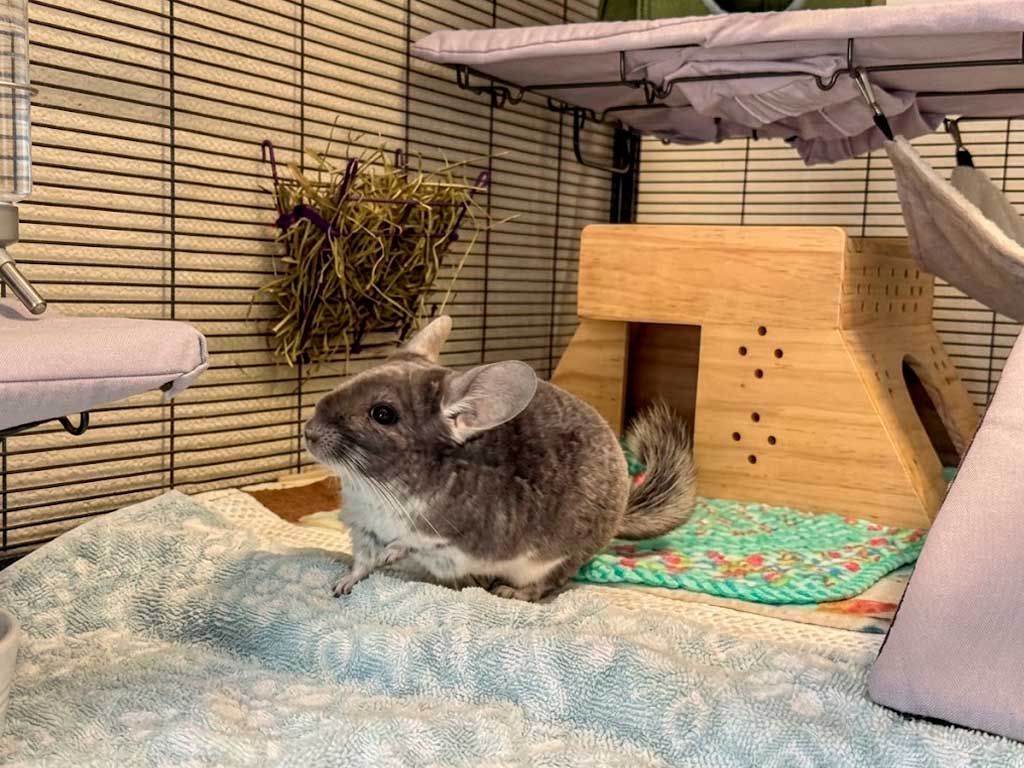
My daughter fell for a chinchilla at a pet expo because of how soft it looked. Fair enough, chinchilla fur is famously the softest fur on any land mammal. But soft doesn’t mean simple. Here’s what actually goes into keeping one healthy.
Chinchilla Quick Facts
| Fact | Detail |
|---|---|
| Lifespan | 10 to 15 years, sometimes longer |
| Minimum cage size | 2 feet by 2 feet by 4 feet |
| Ideal temperature | 55 to 70°F, never above 80°F |
| Diet | Herbivore: hay, pellets, no wet greens |
| Bathing | Dust bath only, never water |
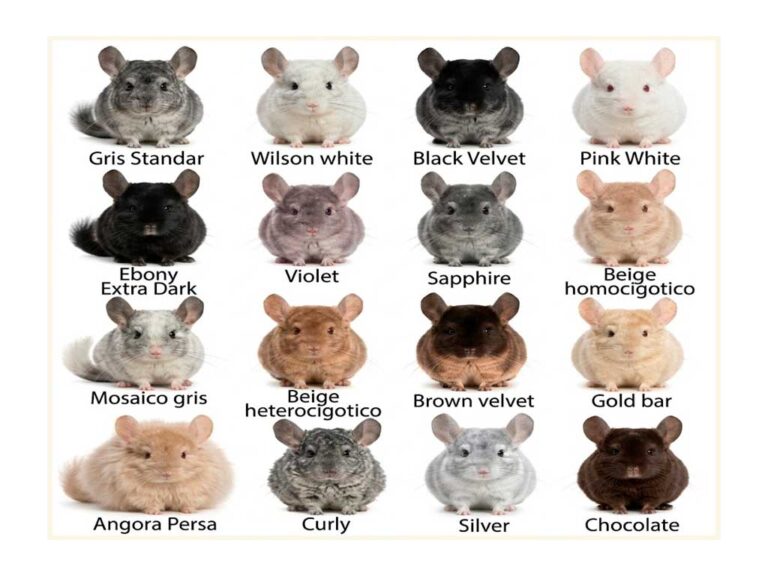
| Purchase price | $100 to $350 |
Housing: Cage and Temperature
Bottom line: heat is the number one killer of pet chinchillas, more than most owners realize.
Keep the room between 55 and 70°F. Above 80°F, a chinchilla can go into heatstroke fast, since their thick fur traps heat with nowhere for it to go. Keep humidity under 40 to 50% too, or that same coat turns into a problem instead of a feature.
Cage checklist:
- Minimum 2 feet by 2 feet by 4 feet for one chinchilla
- Wire sides no more than 1 inch apart
- Solid, flat floor, not wire (wire causes sore feet)
- Multiple levels, ramps, and shelves for climbing
- Paper bedding, never wood shavings or cedar
Skip wood shavings entirely. Chinchillas can’t vomit, so swallowed bedding can cause a dangerous blockage. Cedar is worse, since it irritates their skin and lungs on top of that.
The Dust Bath: Why Chinchillas Can’t Get Wet
Here’s what nobody tells you before you buy one: a chinchilla should never get wet. Their fur is so dense that it takes forever to dry, and damp skin underneath can develop irritation and fungal problems fast.
Instead, chinchillas bathe in fine volcanic dust. Give your chinchilla a dust bath a few times a week, in a box roughly 6 by 6 by 9 inches with an inch or two of chinchilla-safe dust. Let them go at it for about 30 minutes outside the main cage, then remove the dust box. Leaving it in the cage full-time can actually cause eye irritation.
Diet: What to Feed (and What to Skip)
Hay is the backbone of the diet, unlimited timothy, orchard, or meadow hay available at all times. Add 1 to 2 tablespoons of chinchilla pellets daily, plus fresh water around the clock.
Alfalfa hay is too high in calcium for adult chinchillas and can lead to bladder stones. Save it for babies or nursing mothers only.
Skip these entirely:
- Chocolate, caffeine, and alcohol
- Seeds, nuts, and dried fruit
- Any wet or fresh greens (they upset digestion fast)
A small piece of apple once a week is fine as a treat. Keep all treats under 10% of the total diet, and skip added vitamins unless a vet specifically recommends them.
Handling and Temperament
Chinchillas are fast, bouncy, and not big fans of sitting still. If you’re picturing a lap pet, recalibrate that expectation now.
Pick one up like you’d carry a football: cradle the body, support the rear end, and never grab the tail or limbs. Their skeleton is genuinely delicate, and a rough grab can cause a real injury. A towel wrapped around the body helps some chinchillas feel more secure during handling.
If your chinchilla starts barking or acting aggressive, back off rather than pushing through it. That’s their way of asking for space, not misbehaving.
This isn’t the best first pet for young kids to handle solo. They’re quick, they’re delicate, and early signs of illness are easy for a child to miss. Supervised time together works fine, though.
Can Chinchillas Live With Other Pets?
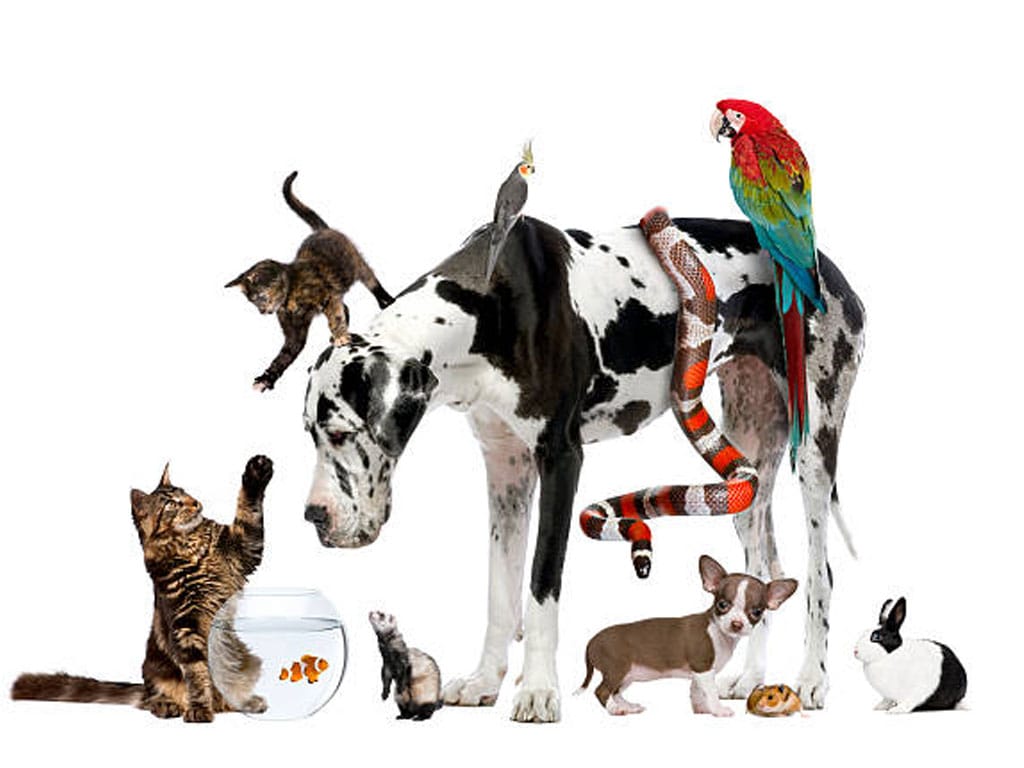
Chinchillas do fine in same-sex or opposite-sex pairs of their own kind, as long as they’re introduced properly. What they should never share space with is a rabbit.
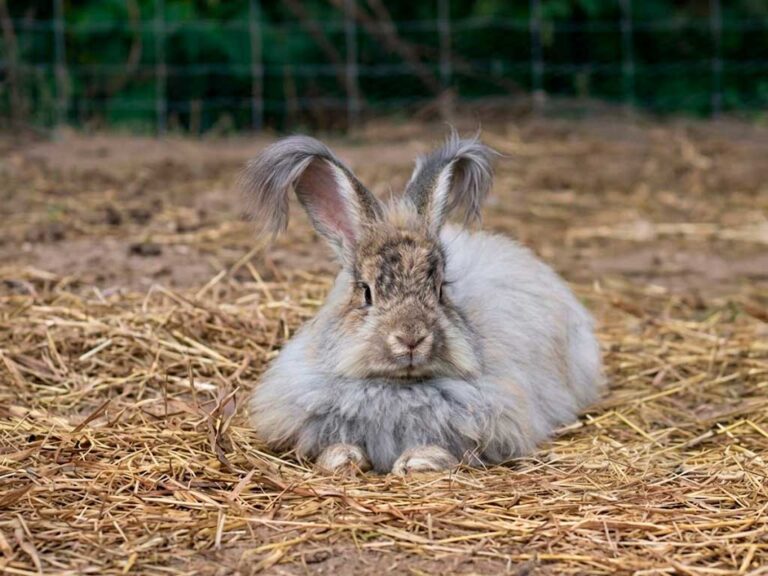
Rabbits can carry a bacteria called Pasteurella that’s harmless to them but can be fatal to a chinchilla. Keep the two species in separate rooms if you own both, not just separate cages.
Health: What to Watch For
Book an annual exotic vet checkup, and between visits, watch for:
- Soft or loose stool
- Not eating or drinking normally
- Fur loss or a dull, patchy coat
- Breathing trouble or nasal discharge
- Limping or noticeable weight loss
Dental disease is the most common serious issue in this species, since chinchilla teeth grow continuously and need constant wear from hay and chew toys. Fractures happen easily given their fragile bones, and “fur rings,” a buildup that traps part of a male’s anatomy, is a specific problem worth knowing about and checking for periodically.
How Much Does a Chinchilla Cost?
The animal itself usually runs $100 to $350 depending on color and source. Add another $150 to $250 for a proper cage, wheel, dust bath supplies, and initial bedding.
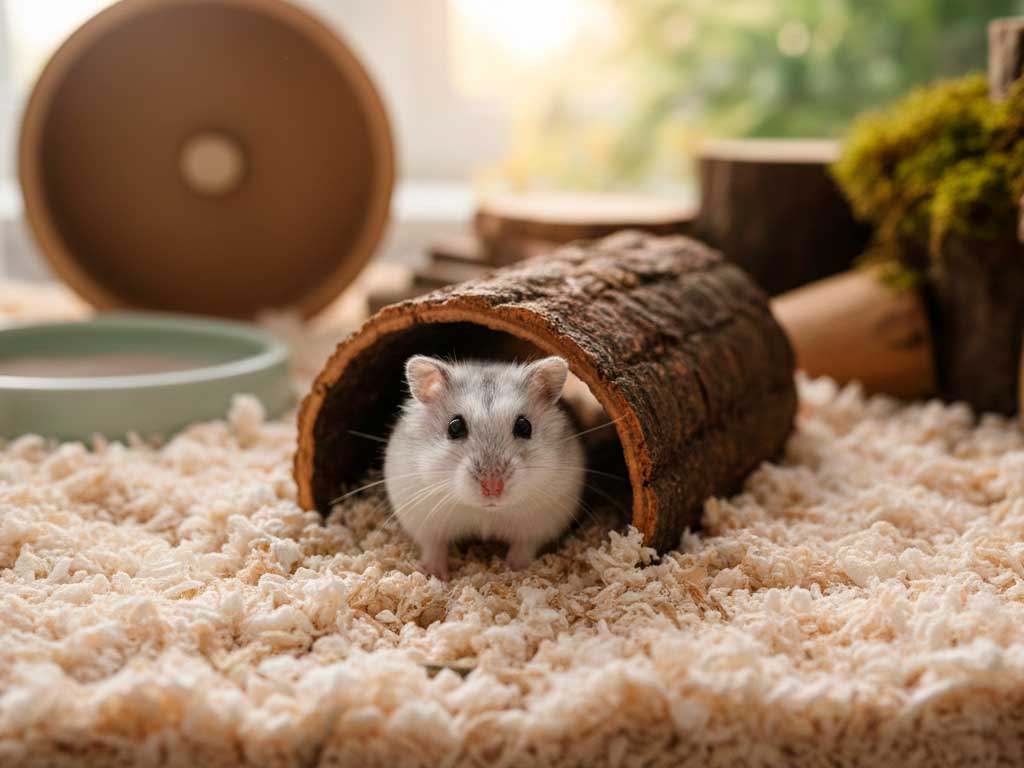
Ongoing costs stay reasonable: hay, pellets, dust, and the occasional vet visit. Keep it simple and budget a bit more than you would for a hamster, mostly because of the bigger cage and the dust bath setup.
One More Thing: Wild Chinchillas Are a Different Story
Every chinchilla sold as a pet today is captive-bred. Wild chinchillas are a separate, much sadder situation, hunted nearly to extinction for their fur. We cover that whole story, and why it still matters when you’re choosing where to buy one, in our wild vs. pet chinchillas guide. If you’re curious about the different colors chinchillas come in, we break those down too in our chinchilla colors guide.