Brussels Griffon (Rough-Coated): The Monkey-Faced Urban Companion
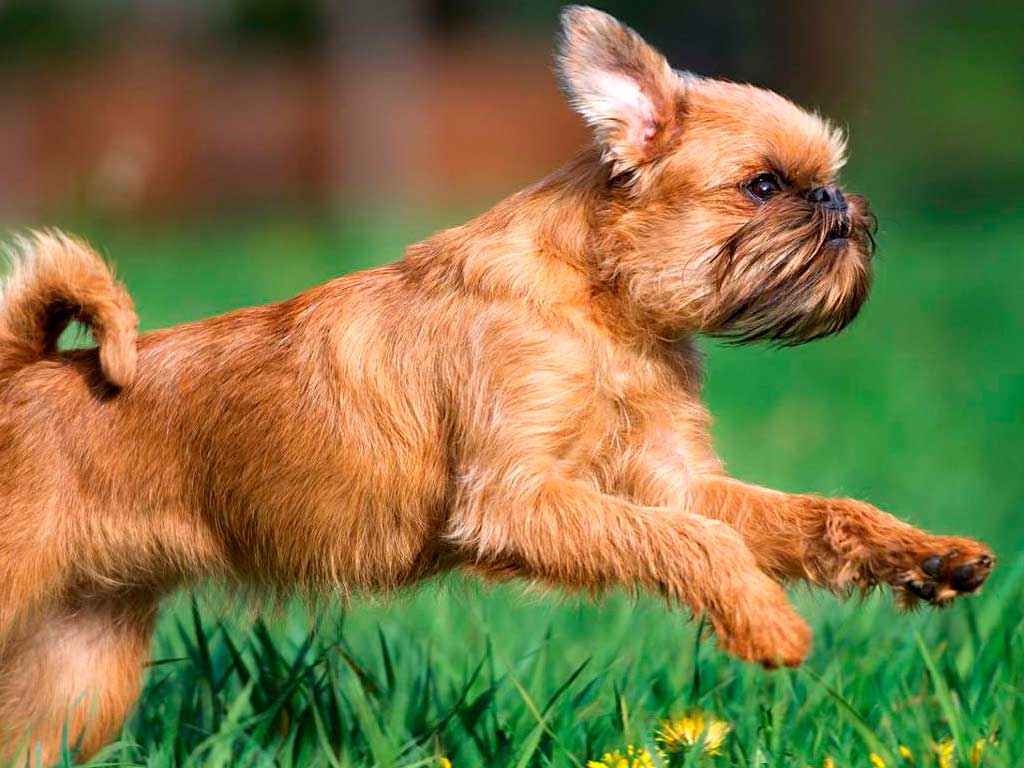
The Brussels Griffon stands out as one of the most expressive toy breeds, famous for its distinctive monkey-like face and spirited personality.
With its short, rough coat and compact size of just 2 to 5 kilograms, this Belgian dog transforms apartment living into an adventure.
Despite their small stature, these dogs pack remarkable personality, confidence, and terrier-like determination into a package small enough to fit on your lap.
A Belgian Success Story from the Stables
The Brussels Griffon’s origin reflects 19th-century practicality. In Brussels, horse-drawn carriage drivers needed intelligent small dogs capable of two jobs: protecting their carriages and eliminating vermin from the stables.
These workers crossed Affenpinschers known for their clever, sharp personalities with Pugs, introducing the distinctive flat-faced features. Later breeders added King Charles Spaniels and possibly Yorkshire Terriers, seeking to enhance the breed’s human-like expression. The result was a dog combining several contradictory traits:
- The rough, terrier-like coat and assertive attitude of a street dog
- The intelligence and trainability of the Affenpinscher
- The flat face and expressive eyes of the Pug
- The gentle, companionable nature of the spaniel This unusual mixture created a breed equally comfortable alerting you to suspicious strangers and then sitting contentedly on your lap during a Netflix marathon.
Physical Profile: Tiny but Unmistakable
Brussels Griffons come in two distinct coat types: smooth-coated and rough-coated. The rough-coated version features a short, dense, wiry coat that stands slightly off the body, requiring grooming every two days to prevent matting. Size and proportions:
- Height: 18 to 20 centimeters
- Weight: 2 to 5 kilograms (barely heavier than a large bag of flour)
- Build: Compact and sturdy despite diminutive size Coat colors and markings:
- Solid red (most common)
- Black
- Black and tan (black with tan points above eyes and cheeks) The rough coat gives Brussels Griffons a scruffy, lived-in appearance that owners either find endearing or eccentric. Combined with their large, dark, forward-facing eyes and underbite, many describe their expression as resembling a concerned monkey or wise old man. This unique look has made them surprisingly popular in film, despite their rarity outside Belgium and dog-show circles.
Temperament: Personality Beyond Their Size
Brussels Griffons punch well above their weight in terms of personality. They’re confident, alert, and remarkably stubborn for dogs weighing less than five kilograms.
Many have strong prey drive a throwback to their stable-rat-hunting ancestry and will chase small animals with genuine determination. Key personality traits:
- Alert and vocal: They bark readily and distinctly, serving as surprisingly effective watchdogs despite their size
- Stubborn but trainable: They learn quickly when motivated but often decide their ideas are better than yours
- Affectionate yet independent: They enjoy human company but won’t tolerate excessive handling or forced cuddling
- Terrier temperament: Don’t mistake their size for meekness; they’re confident and sometimes combative with other dogs
Important behavioral notes: These dogs are not ideally suited for households with young children, not because of aggression, but because rough play can trigger fear or defensive responses. Their small bones mean they can be injured by accidental rough handling. Older children who respect the dog’s space integrate much better into Brussels Griffon families. They also struggle with prolonged solitude and can become destructive if left alone for extended periods. They’re apartment-compatible only if you’re home frequently or arrange midday companionship.
Care Essentials for Compact Companions
Grooming and Coat Maintenance
The rough coat requires commitment. While short, the wiry texture mats easily, particularly around the ears, chin, and rear end. Owners should brush every two days not optional, but absolutely necessary to prevent painful tangles. Grooming frequency by need:
- Regular maintenance: Brush 2 to 3 times weekly
- During shedding seasons: Brush every other day
- Professional trimming: Every 8 to 12 weeks (many owners hand-strip their rough coats, a specialized technique that maintains texture) Ear checks matter significantly. Those adorable upright ears trap moisture and debris, creating infection risk. Check weekly and clean with veterinarian-approved solution monthly.
Exercise and Activity
The Brussels Griffon’s exercise needs are modest but consistent. They require roughly 30 minutes of daily activity, which they’ll happily fulfill through:
- Short walks around the neighborhood
- Interactive play sessions at home
- Scent games and puzzle toys
- Short training sessions (they excel at canine sports despite their size) These active, intelligent dogs thrive with mental stimulation. Boredom leads to destructive behavior including shredding furniture, obsessive barking, and attempting escape from apartments. Puzzle toys, training games, and rotating toys prevent behavioral problems more effectively than endless walks.
Nutrition for Rapid Metabolism
Small-breed dogs burn calories at remarkable rates relative to body weight. A Brussels Griffon’s tiny stomach requires frequent, small meals rather than one or two daily feedings. Feeding guidelines:
- Multiple meals: Ideally 3 to 4 small portions daily rather than two large ones
- Portion control: Follow breed-appropriate food portions carefully (obesity is distressingly common in toy breeds)
- Quality diet: Select foods specifically formulated for small breeds, featuring appropriately sized kibble and balanced nutrients The breed’s fast metabolism makes them prone to weight fluctuations. Some individuals struggle to maintain weight despite eating well, while others gain weight readily on minimal food. Individual consultation with your veterinarian establishes the right approach for your specific dog.
Training: Stubborn Intelligence
Brussels Griffons are intelligent sometimes too intelligent for their own good. They grasp commands quickly but often decide whether commands are worth obeying. This isn’t stupidity; it’s selective compliance driven by their independent nature. Effective training approaches:
- Positive reinforcement: High-value rewards work far better than punishment or harsh corrections
- Short sessions: 5 to 10 minute training blocks prevent boredom better than extended sessions
- Consistency: Everyone in the household must enforce the same rules; inconsistency teaches them to shop around for the softest touch
- Patience: They’re stubborn by nature, but patience combined with consistency yields surprising obedience Many Brussels Griffons compete successfully in dog sports despite their size, including obedience trials, agility (modified for toy breeds), and even scent work. Their willingness to work alongside their owners, when properly motivated, demonstrates their training potential.
Health Considerations
The Brussels Griffon’s extremely flat face makes them susceptible to brachycephalic (flat-faced) concerns. Additionally, their small size introduces additional health considerations: Primary health concerns:
- Respiratory difficulties: Especially in warm weather or during exercise
- Eye problems: Cataracts, keratitis, and progressive retinal atrophy occur in the breed
- Patellar luxation: The small kneecaps sometimes dislocate a painful condition requiring veterinary attention
- A hereditary spinal cord disorder: Responsible breeders screen for this before breeding Health management strategies:
- Avoid extreme heat: Keep them in cool, air-conditioned environments during summer
- Regular eye exams: Early detection prevents vision loss in many cases
- Weight management: Excess weight stresses already-delicate joints
- Veterinary screening: Purchase only from breeders who health-test breeding dogs With appropriate care, Brussels Griffons live 10 to 15 years, sometimes longer. Their longevity depends heavily on genetic health and conscientious ownership.
Perfect Owner Profile
The Brussels Griffon suits you if:
- You live in an apartment or smaller home without extensive yard space.
- You spend significant time at home or can arrange daytime companionship.
- You appreciate independent, stubborn dogs and find their personality charming rather than frustrating.
- You have older children or no children.
- You enjoy grooming and will commit to maintaining their coat properly.
- You want a dog with genuine personality and human-like expressiveness.
- You value intelligence and appreciate quirky humor in a dog.
A Brussels Griffon is wrong for you if:
- You expect a calm, low-key lap dog that doesn’t demand attention.
- You have young children or a chaotic household.
- You work full-time without midday dog care options.
- You dislike grooming or aren’t willing to schedule professional coat maintenance.
- You want a dog that’s happy spending long periods alone.
- You prefer quiet dogs; Brussels Griffons are vocal and opinionated.
- You’re unprepared for their stubbornness or find it annoying rather than entertaining.
Brussels Griffon: Your Questions Answered
The Brussels Griffon occupies a unique niche: a genuine personality housed in a toy package, combining terrier spirit with companion-dog affection. They’re not for everyone.
They’re stubborn, demanding of attention, require grooming commitment, and possess a strong will. However, for the right owner someone who appreciates quirky personality and doesn’t mind a slightly scruffy, opinionated small dog they offer remarkable companionship.
These aren’t passive lap dogs content to simply exist alongside you. They’re active personalities insisting on involvement in your life. They’ll alert you to every sound, demand your attention when they judge it appropriate, and remind you that size bears no relationship to confidence or presence.
If you embrace their unique combination of stubbornness, intelligence, and monkey-faced charm, a Brussels Griffon might be exactly the companion you’ve been seeking.
Cross-Linking Teaser
Looking at other distinctive small breeds? Check out our guides to the Affenpinscher, which shares the Brussels Griffon’s terrier attitude and intelligent personality, or the Pug for a flat-faced comparison. We’ve also covered the Cavalier King Charles Spaniel for those interested in toy breeds with different temperament profiles.