Scottish Terrier Dog Breed: The Most Popular Monopoly Piece
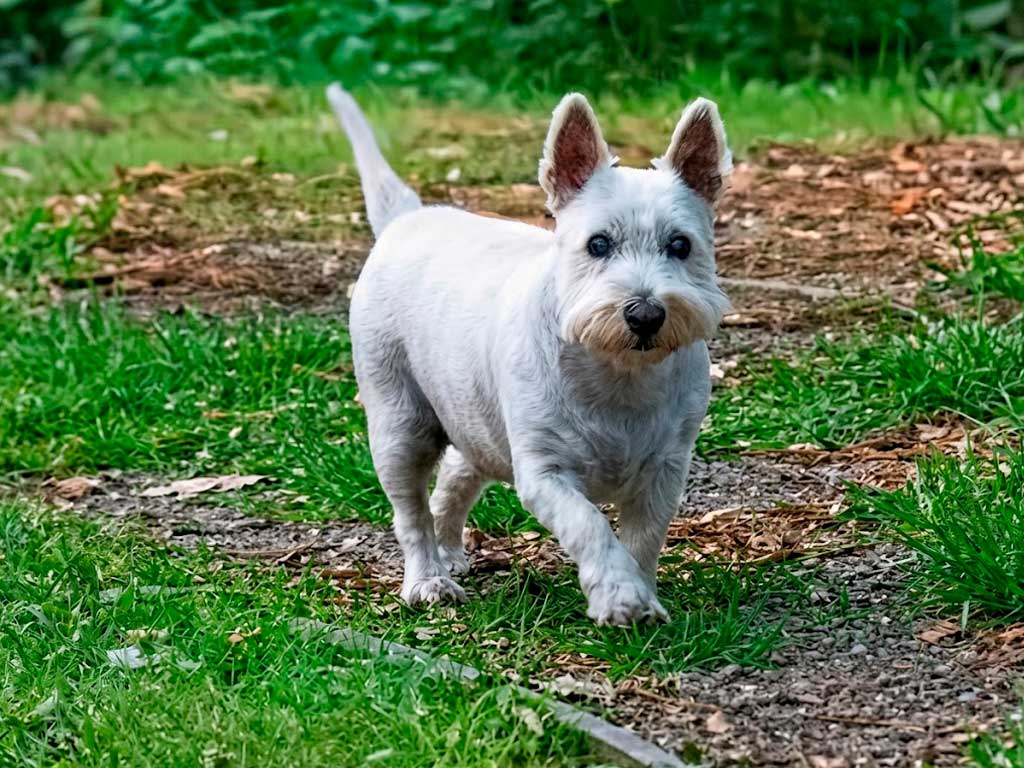
If you’ve ever played Monopoly, you’ve held this breed in your hand. The Scottish Terrier dog breed is the single most popular game piece in Monopoly history, a small bronze icon millions of people have moved around that board without necessarily knowing the real dog behind it.
There’s a lot more to this breed than a board game token, though, including a genuinely fascinating presidential and royal past. Here’s what’s worth knowing before you bring one home.
Quick Facts About the Scottish Terrier
Here are the basics before we go deeper: Size: small but sturdy. Weight: 18.7 to 23 pounds. Height: 10 to 11 inches at the shoulder. Coat: wiry outer coat over a dense, soft undercoat, in black, wheaten, or brindle. Life expectancy: 12 to 15 years. Best suited for: owners with some prior dog experience.
Presidential and Royal History
This breed has an impressive list of famous former owners. Trust me on this one: President Franklin D. Roosevelt kept a Scottish Terrier named Fala, one of the most photographed presidential pets in American history, and Eleanor Roosevelt had her own named Meggie. Centuries earlier, Scotland’s King James VI was such a fan that he sent six Scottish Terriers to France as a gift in the 1600s, and Queen Victoria counted one named Laddie among her favorite dogs.
The first known written mention of the breed appears in a Scottish history book covering 1436 to 1561, describing a low dog that dug foxes, badgers, and wildcats out of their dens. A local legend, born from sheer respect for the breed’s courage, even claims it descends from bears rather than dogs.
Personality: Bold, Independent, and a Little Serious
At first glance, this breed can come across as somber or serious, but with family and friends it’s genuinely loyal, affectionate, and cheerful. Here’s the thing — that same devotion comes paired with real independence, so training takes patience, motivation, and a good sense of humor.
This breed is also an alert watchdog by nature, quick to bark and stay on guard, and it may need extra guidance to live comfortably alongside other pets or young children.
Daily Care Essentials
Diet and Nutrition
Small breeds burn energy fast and have tiny stomachs, so smaller, more frequent meals work better than one or two big feedings. Food formulated for small breeds is worth considering, since the kibble size and nutrient ratios fit this kind of dog. Our full nutrition guide covers the fundamentals.
Exercise Requirements
This breed is fairly easygoing about exercise and adapts well to different routines. An hour of daily activity covers most adults, though this breed happily takes more if you’re up for it.
Grooming Needs
Professional hand-stripping three or four times a year keeps the coat in proper shape, trimming the hair on the chest, legs, and head. Between those sessions, regular brushing and combing matters too, especially around the mouth, where food tends to collect in the beard and mustache.
Health Considerations
This breed can be prone to a jaw bone condition, a muscular disorder that causes cramping known as Scottie cramp, and a higher predisposition to certain cancers, particularly bladder cancer. Like many breeds, it can also carry hereditary eye disorders, so an eye check before breeding matters.
This isn’t meant as medical advice, just a heads-up worth knowing before you commit. Ask your vet about eye and cancer screening options at routine checkups.
Mistakes to Avoid
New owners sometimes underestimate this breed’s independent streak, expecting the same eager-to-please attitude found in more people-pleasing breeds. Training goes much better with patience and genuine motivation than with repetition alone.
Skipping professional stripping sessions is another common misstep, since regular home brushing alone won’t keep that wiry coat in proper condition.
Frequently Asked Questions
Why is the Scottish Terrier called Scottie cramp?
That’s actually a specific health condition, not a nickname for the breed itself. Scottie cramp is a hereditary neurological disorder that causes muscle tightening when the dog gets overly excited.
Is the Scottish Terrier good with kids?
It can be, though this breed may need extra supervision and guidance around young children given its independent, sometimes serious temperament.
Was a Scottish Terrier really a presidential pet?
Yes. Franklin D. Roosevelt’s Scottish Terrier, Fala, remains one of the most famous presidential pets in American history.
How much exercise does a Scottish Terrier need?
About an hour daily is generally enough. This breed is fairly adaptable and doesn’t demand intense activity, though it happily takes more when offered.
Curious about other small Scottish terriers with real character? The Skye Terrier shares Highland roots and a similarly devoted temperament, and the Cairn Terrier is another close cousin worth comparing. Browse the full dog breed library or try the Dog Breed Quiz to keep exploring.
For another small terrier with a genuinely political past, the Welsh Terrier has lived at both 11 Downing Street and the White House under two very different administrations.
For another beloved Highland terrier with real character, the West Highland White Terrier exists because of a genuinely tragic hunting accident that led breeders to select only white coats.
For another small terrier with a real war hero in its history, the Yorkshire Terrier counts Smoky among its ranks, a WWII veteran who became the first documented therapy dog.