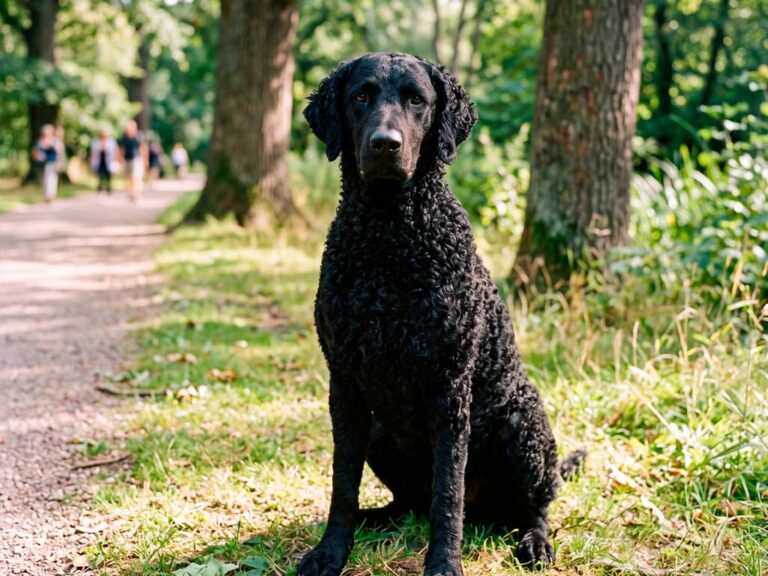
Flat-Coated Retriever: The Complete Breed Guide
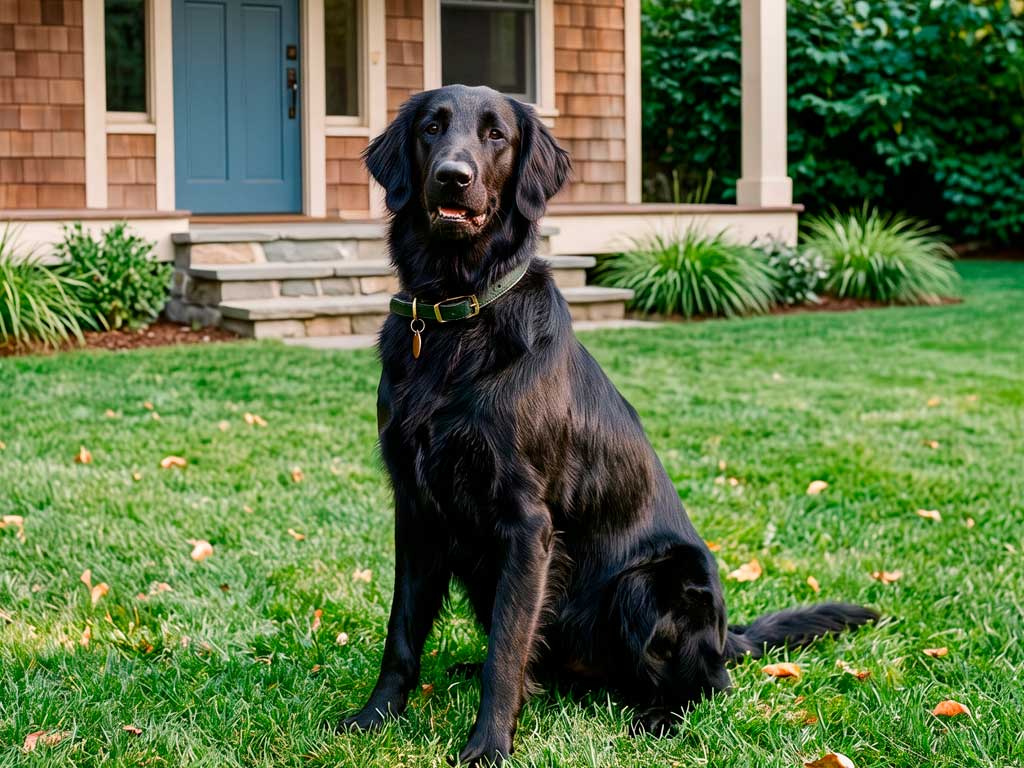
Thinking about bringing home a Flat-Coated Retriever? Before you do, you should know this dog stays puppy-ish well into old age. That’s not a joke — it’s basically the breed’s defining trait, and it shapes everything from training to daily exercise.
History and Origin
The Flat-Coated Retriever traces back to the early 1800s, when British hunters needed a dog that could work both land and water. Breeder J. Hull gets the credit for shaping the modern version, starting around 1864. He crossed working retriever lines to build a dog tough enough for long days in the field, yet soft-mouthed enough to bring back game undamaged.
Gamekeepers across Britain adopted the breed fast. Its original name was actually the “Wavy-Coated Retriever” — the coat straightened out over generations as breeders prioritized function over looks, and the name eventually caught up with reality.
Physical Characteristics
This is a large, athletic dog built for stamina rather than speed. Males typically stand 58–61 cm and weigh 27–36 kg. Females run slightly smaller, at 56–58 cm and 25–32 kg.
The coat is dense, flat, and glossy — usually solid black or liver in color. Feathering along the legs and tail gives the breed a distinctive, elegant silhouette. Expect a lifespan of 8 to 14 years with proper care.
Temperament and Personality
Here’s the thing — Flat-Coated Retrievers don’t really grow up the way most dogs do. Fans of the breed nickname them the “Peter Pan” dog, and once you meet one, you’ll understand why. They keep that goofy, tail-wagging enthusiasm well past the age when most breeds have mellowed out.
They’re friendly with nearly everyone, including other pets, which makes them a solid choice for busy households. That said, their deep bark means they’ll announce visitors loudly, even though they have zero interest in acting as a guard dog. This is a dog that wants attention, and it wants a lot of it.
Care Guide
Diet and Nutrition
Large breeds need a different nutrient balance than small dogs — more careful mineral and vitamin ratios, not just bigger portions. Flat-Coated Retrievers are also prone to stomach bloat and digestive upset.
Feeding smaller meals more frequently lowers that risk significantly. Skip the single large bowl at dinnertime and split their daily food into two or three servings instead.
Exercise Requirements
This breed is a tireless worker at heart, and it shows. Most Flat-Coated Retrievers are happiest with more than two hours of activity a day, though they’ll adapt to moderate exercise if that’s genuinely all you can offer.
Water is where this dog truly comes alive. Give it a lake, a pond, or even a kiddie pool, and watch the enthusiasm take over.
Grooming Needs
Daily brushing keeps that glossy coat in good shape and catches mats before they set in. Pay extra attention to the feathering on the legs and tail — that’s where dirt, burrs, and dried mud tend to hide.
Plan on a deeper grooming session roughly every two days. Give it time, and brushing becomes a quick, easy habit rather than a chore.
Training and Education
Flat-Coated Retrievers are smart, eager, and genuinely want to work with you — but that “eternal puppy” energy means training takes patience. Positive reinforcement works far better here than any kind of correction-based method.
A few things that make training go smoothly:
- Start basic obedience early, before adult-sized enthusiasm makes bad habits harder to break
- Keep training sessions short and upbeat — long drills bore this breed fast
- Use their love of retrieving as a built-in reward system
- Socialize consistently with kids, strangers, and other dogs from puppyhood on
Trust me on this one: a bored Flat-Coated Retriever will find its own entertainment, and you probably won’t love what it picks.
Health and Longevity
This is where every prospective owner needs to slow down and pay attention. Flat-Coated Retrievers carry a notably high predisposition toward aggressive forms of cancer, more so than many other breeds. Hip dysplasia and inherited eye conditions also show up with some regularity.
A pre-breeding health screening — hips and eyes specifically — helps responsible breeders reduce these risks over time. This article offers general, informed guidance, not a medical diagnosis; always work directly with a licensed veterinarian to screen for and manage breed-specific health risks.
Is This the Right Dog for You?
If you want a large, water-loving companion who stays playful for most of its life, this breed genuinely delivers. Families with kids, other pets, or an active outdoor routine tend to do especially well with a Flat-Coated Retriever.
If you’re after a low-energy lap dog or a serious guard dog, though, look elsewhere. My own dog Biscuit is nowhere near this breed’s exercise level, and even she reminds me how much a dog’s true energy needs matter before adoption day.
Frequently Asked Questions (FAQs)
Are Flat-Coated Retrievers good for first-time dog owners?
Yes, with the right expectations. They’re described as suitable for owners without prior experience, though their high energy and long puppyhood mean patience matters more than expertise.
Do Flat-Coated Retrievers shed a lot?
They shed moderately and need daily brushing to manage it, especially around the feathered areas.
How long do Flat-Coated Retrievers live?
Typically between 8 and 14 years, though regular vet checkups play a real role in reaching the higher end of that range.
Are Flat-Coated Retrievers hypoallergenic?
No. This breed is not considered hypoallergenic, and allergy-prone households should factor that in before adopting.
Give this breed the exercise, water time, and patient training it needs, and you’ll end up with one of the most devoted companions in the retriever world.