Ibizan Hound: The Complete Guide to This Ancient Hunting Breed
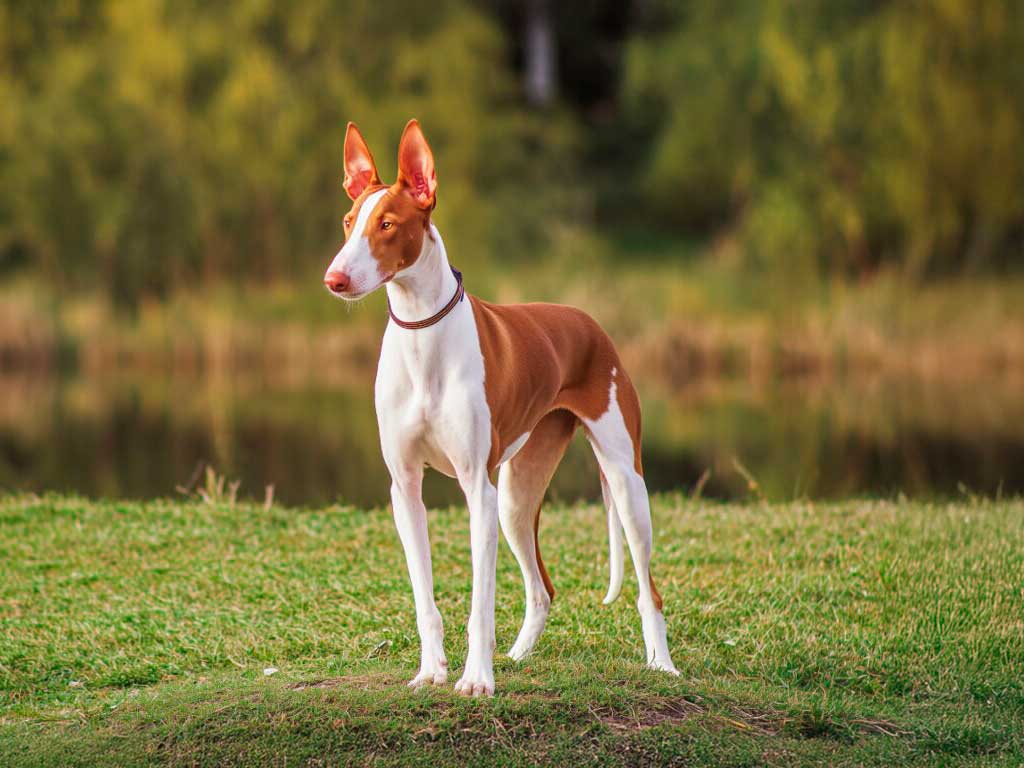
Thinking about bringing home a dog that looks like it walked straight off an ancient Egyptian mural? The Ibizan Hound is exactly that dog. This tall, athletic sighthound has barely changed in thousands of years, and it still hunts, thinks, and moves the way its ancestors did.
This guide covers everything from temperament to daily exercise needs, so you can decide if this ancient breed fits your life.
Quick Facts
- Life expectancy: 10 to 12 years
- Weight: 19 to 25 kg (42 to 55 lbs)
- Height: 56 to 74 cm (22 to 29 inches)
- Size: Large
- Colors: White, red-brown (“lion”), or a mix of both
- Exercise needs: High, about two hours a day
- Grooming needs: Low, one weekly brush
- Good for: Owners with some prior dog experience
History and Origin of the Ibizan Hound
The Ibizan Hound’s story stretches back more than 6,000 years. Ancient artwork links the breed to Egypt, and its upright ears and lean frame echo images of Anubis on temple friezes. Phoenician traders carried these dogs to the Balearic Islands centuries ago, and the breed still thrives in Spain today.
Remarkably, this breed has changed very little since then. Trust me on this one: few dogs carry this much history in their silhouette.
Ibizan Hound Temperament and Personality
Ibizan Hounds are affectionate, sensitive dogs that bond closely with their families. They tend to get along well with children, and many turn into devoted couch companions once the zoomies wear off.
Here’s the thing — this breed doesn’t do well alone for long stretches. Separation takes a toll on their confidence, and boredom often turns into barking. Give it time, patience, and steady company, and you’ll have a loyal shadow for life.
Exercise and Training Needs
This breed needs real exercise, not a quick walk around the block. Plan on two hours of activity a day, split between a securely fenced yard and structured walks.
Ibizan Hounds are sighthounds, so a moving rabbit or squirrel can override recall in an instant. My own rescue mutt, Biscuit, needed a fenced-yard approach before he’d reliably recall, and patience paid off within a few weeks.
Training goes best with positive reinforcement and short, upbeat sessions. Try this approach:
- Start recall training in a fenced area before testing it anywhere open
- Use high-value treats, since food motivation beats most other rewards for this breed
- Keep sessions under ten minutes so focus doesn’t fade
- Practice daily, even for just a few minutes at a time
Struggling with a hound that won’t check in with you on walks? You’re not alone. Consistency beats intensity every time with this breed.
Ibizan Hound Health and Grooming
The Ibizan Hound is a generally healthy breed with few widespread genetic issues. Some lines carry a risk of seizures or other neurological conditions, though these remain uncommon.
Weekly brushing keeps the short coat looking sharp, and this breed doesn’t shed heavily or drool much. As with any breed, schedule regular veterinary checkups to catch problems early, and talk to your vet before changing diet or exercise routines — this article offers general guidance, not a substitute for professional veterinary advice.
Mistakes to Avoid With This Breed
- Skipping the fence: Ibizan Hounds can clear surprisingly high barriers when chasing something
- Underestimating exercise needs: a bored Ibizan Hound often becomes a destructive one
- Letting them off-leash in unfenced areas: recall rarely wins against prey drive
- Assuming low grooming means low maintenance: mental stimulation matters just as much as brushing
Gear That Actually Helps
A secure, well-fitted harness makes a real difference with a breed built to jump and sprint. Look for one with a front-clip design, since it gives you more control during leash training.
A sturdy, escape-resistant collar with ID tags also earns its keep for a breed known to slip out of loose-fitting gear.
Is the Ibizan Hound Right for You?
This breed suits active households with fenced yards and time for daily exercise. It isn’t the right fit for anyone who works long hours away from home or lives in an apartment without outdoor access.
If you can commit to the exercise and the company this dog needs, you’ll gain one of the most loyal, striking companions in the sighthound world.
Frequently Asked Questions
Are Ibizan Hounds good family dogs?
Yes, Ibizan Hounds are affectionate and generally good with children. Supervise young kids around any large, energetic breed to keep interactions safe.
Do Ibizan Hounds shed a lot?
No, this breed sheds minimally and only needs a weekly brush. The short coat stays easy to maintain year-round.
How much exercise does an Ibizan Hound need?
Plan on about two hours of activity daily. A securely fenced yard combined with structured walks works best.
Are Ibizan Hounds easy to train?
They respond well to positive reinforcement, though their strong prey drive makes recall tricky. Short, consistent sessions build the best results.
Do Ibizan Hounds bark a lot?
They can become vocal when left alone or bored. Regular exercise and steady company usually keep barking in check.
Can Ibizan Hounds live with cats or other pets?
It depends on the individual dog and early socialization. Their hunting instinct means small pets need careful, gradual introductions.
How long do Ibizan Hounds live?
Most Ibizan Hounds live between 10 and 12 years. Good nutrition and regular vet visits support a long, healthy life.
Are Ibizan Hounds good for first-time dog owners?
This breed suits owners with some prior dog experience. High energy and strong prey drive can challenge someone new to dog training.
Do Ibizan Hounds need a fenced yard?
Yes, a secure fence is essential for this breed. Their sighthound instincts make off-leash recall unreliable around moving prey.
What health problems are common in Ibizan Hounds?
The breed is generally healthy, though some lines show a risk of neurological issues. Talk to your vet about breed-specific screening before adopting.
Curious how the Ibizan Hound compares to other large, active breeds? Browse the full Dog Breeds hub to explore more guides, or try our Dog Breed Quiz to find the best match for your lifestyle.