Aquarium Water: Complete Guide to a Healthy Environment
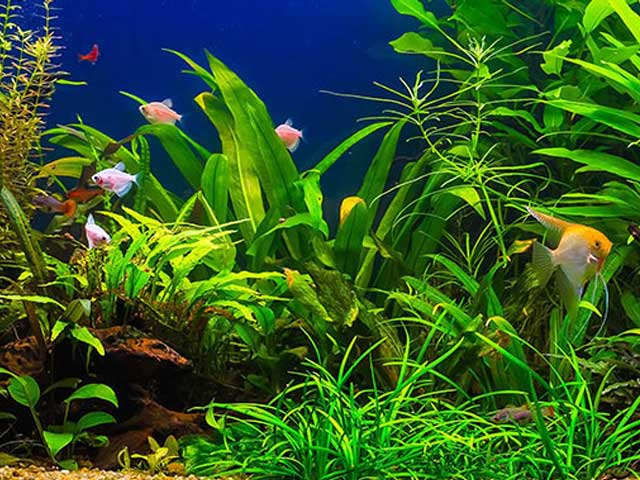
Water is the most crucial element in maintaining a successful and healthy aquarium. Water is the fundamental pillar of the aquatic ecosystem, directly influencing the health of fish, the growth of plants and the balance of beneficial bacteria.
In this guide, we will explore the crucial factors for managing and maintaining your aquarium water, ensuring a thriving and safe environment for all its inhabitants.
Importance of Water Quality
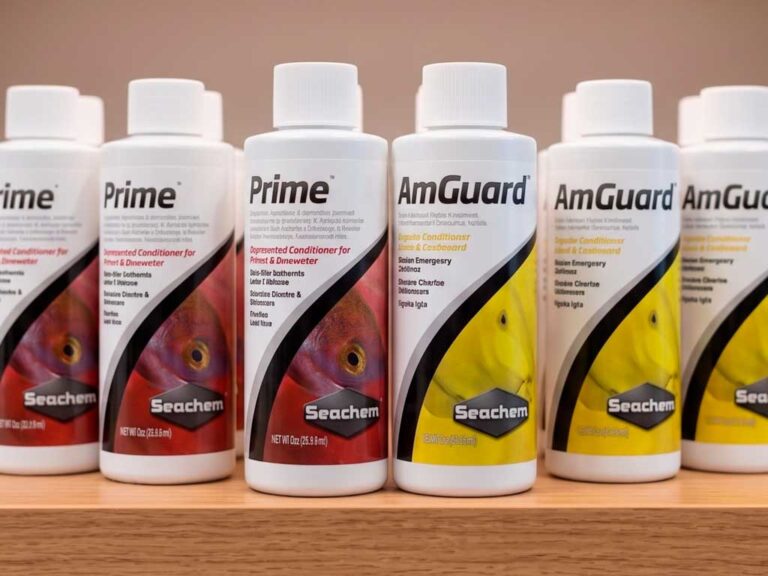
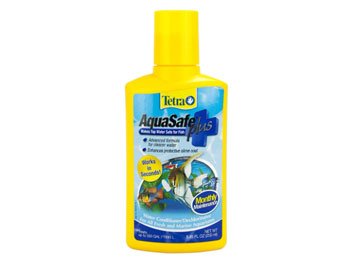
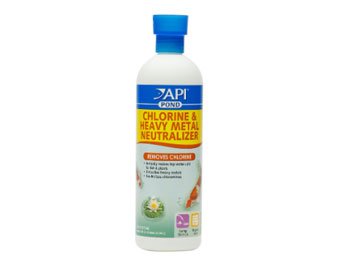
Chlorine and chloramine are common additives in drinking water to kill bacteria, but they are highly toxic to fish and beneficial bacteria. Therefore, it is essential to treat tap water before using it in your aquarium.
- Chloramine Neutralizers: In areas with chloramine, use a concentrated neutralizer and filtration media that removes ammonia.

Tap Water Considerations
Tap water can contain undesirable elements such as phosphates, nitrates and high levels of metals. Also, the use of copper pipes can be lethal to fish.
- Water Hardness and pH: These parameters can be easily measured and are vital for an optimal environment.
- Regular Examination: Examine the tap water every three months to make necessary adjustments.
Filter Media
The use of certain filter media can help achieve favorable conditions for plants and fish. For example, in alkaline hard water regions, it is advisable to use peat as a filter material for soft water species.
Regular Water Monitoring
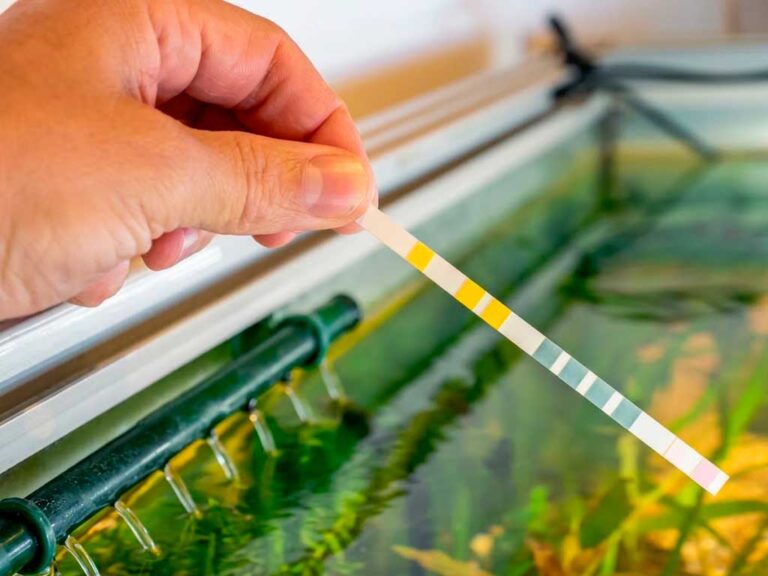
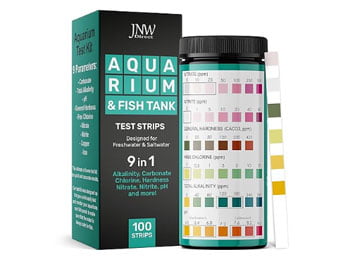
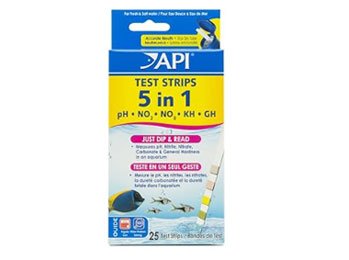
Once your tank is established, testing becomes a habit rather than a chore. Check pH, ammonia, nitrite, and nitrate weekly using a liquid test kit, since these four numbers reveal problems before your fish show symptoms. For the science behind why each one matters, our aquarium water chemistry guide breaks it down in full.
- pH: Test weekly with a liquid kit for the most accurate reading.
- Ammonia: Test weekly, especially in new or recently stocked tanks.
- Nitrite and Nitrate: Test weekly alongside ammonia to catch cycle problems early.
Additional tests
A few extra parameters are worth checking on a slower schedule. KH and GH matter mostly for pH stability, covered in depth in the water chemistry guide linked above, while iron and phosphate are separate concerns worth tracking in planted tanks.
- Carbonate Hardness (KH): Test monthly, since it buffers your pH against sudden swings.
- General Hardness (GH): Test monthly alongside KH.
- Iron: Maintain iron levels between 0.25 to 0.5 mg/lt.
- Phosphates: Pollution indicator, generally they should not exceed 1mg/lt.

Water Conditioning and Commissioning
When starting your aquarium, follow these steps:
- Fill the aquarium up to a third of its capacity.
- Add gravel and decorate with plants.
- Complete the water filling carefully so as not to disturb the decoration.
- Install heaters, filters and lighting.
- Condition the water with Nutrafin Aqua Plus.
- Perform basic tests and adjust pH, KH and GH.
- Dose with an ammonia and nitrite remover.
- Wait a few days before adding fish to allow for adjustments in pH and plant rooting.
Maintaining a healthy aquarium requires constant attention to water quality. Using suitable products, performing regular tests and adjusting parameters such as pH and water hardness will ensure an optimal environment for your fish and plants. With this care, your aquarium will become a vibrant and healthy ecosystem.