Pacman Frog Care: Diet, Tank Setup, and Lifespan Explained
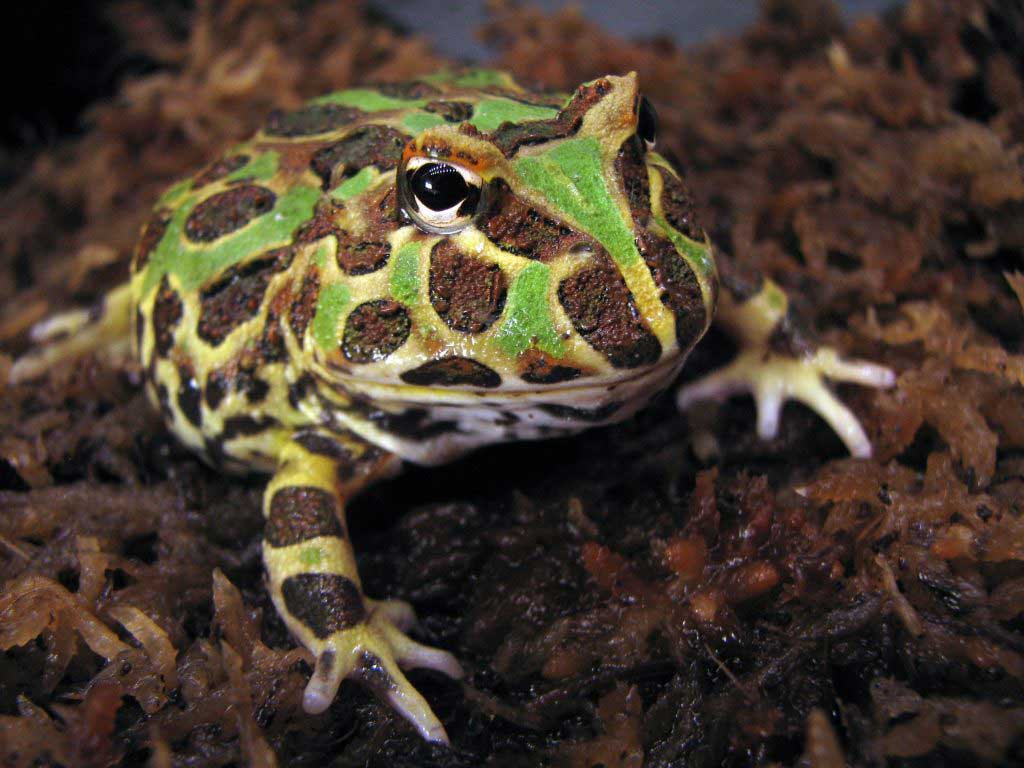
A Pacman frog spends most of its day buried in the substrate, waiting for a meal to wander close enough to grab. That single habit explains almost everything about how to keep one happy.
This guide comes from years of hands-on frog care at Happy Pet Zone, plus a deep look at the taxonomy behind the genus Ceratophrys. You will not find that second part on most care sheets.
By the end, you will know exactly what tank size to buy, what to feed your frog and how often, and which warning signs mean it is time to call a vet. Let’s start with the basics.
Pacman Frog Species Overview
Pacman frogs (genus Ceratophrys) are stout, ground-dwelling amphibians native to the humid lowlands of South America. Their nickname comes from an enormous mouth that spans nearly the full width of the head.
Ceratophrys cranwelli, the Chacoan horned frog, is the species most commonly sold in the pet trade. It hails from the Paraná River basin across Argentina, Paraguay, Brazil, and Uruguay.
These frogs are ambush predators, not swimmers or climbers. Consequently, they need far less floor space than their appetite would suggest.
Quick Facts
| Trait | Detail |
|---|---|
| Scientific name | Ceratophrys cranwelli (and related species) |
| Difficulty | Beginner-friendly, with caveats |
| Lifespan | 10 to 15 years with proper care |
| Adult size | Males 2.5 to 4 in; females 4 to 7 in |
| Minimum tank size | 10 gallons (20 gallons recommended) |
| Diet | Carnivore: insects, occasional pinky mice |
| Temperature | 75 to 86°F day, 68 to 72°F night |
| Humidity | 70 to 80% |
| Handling | Minimal; not a “hold me” pet |
Appearance and Colors
The broad body and oversized mouth give every Pacman frog its signature look, regardless of color morph. Most specimens grow nearly as wide as they are long.
Wild-type coloring runs brown or green, often with darker patches down the back. Breeders have also produced albino, blue, strawberry, and other striking morphs that show up constantly in searches.
Color has no bearing on care requirements. A green Pacman frog and an albino one need the exact same setup.
Size: Males vs. Females
Sexual dimorphism is significant in this species. Males typically reach 2.5 to 4 inches, while females grow to 4 to 7 inches and sometimes larger.
Males also croak during the breeding season. Females stay silent, which is one of the easiest ways to sex an adult frog without a vet visit.
How Long Do Pacman Frogs Live?
A well-cared-for Pacman frog can live 10 to 15 years in captivity. That is a serious, decade-plus commitment for an animal many people assume is low-maintenance because it barely moves.
Poor humidity control, unsafe substrate, and inconsistent temperatures are the fastest ways to shorten that lifespan. The habitat section below covers how to avoid each of these.
Tank Setup and Habitat
Enclosure Size
A 10-gallon tank works for a single adult, though a 20-gallon “long” style gives noticeably more room to burrow and explore. Always keep just one frog per enclosure.
Pacman frogs are territorial and will attack tankmates, including their own species. Cannibalism is common enough that no experienced keeper recommends cohabitation.
Substrate
Coconut fiber or fertilizer-free peat, kept 3 to 5 inches deep, lets your frog burrow the way it would in the wild. Avoid gravel, reptile carpet, or large bark chunks.
Hard or sharp substrate pieces can cause impaction if swallowed accidentally during feeding. This is one of the most common and preventable health problems in this species.
Temperature and Humidity
Keep daytime temperatures between 75 and 86°F, dropping to 68 to 72°F at night. A thermostat-controlled heat mat on the side of the tank works better than an overhead lamp, since frogs burrow to escape heat rather than seek it out.
Humidity should stay between 70 and 80%. A daily misting routine, paired with a hygrometer to track actual readings, keeps the microclimate stable without guesswork.
Water and Decor
Offer a shallow water dish with low sides so your frog can enter and exit easily. Change the water daily using dechlorinated water, since stagnant water builds up toxins fast.
Soft artificial plants or a simple hide give your frog a sense of security. Skip anything with sharp edges, as delicate frog skin tears easily.
Diet and Feeding
What Do Pacman Frogs Eat
Crickets, Dubia roaches, and earthworms form the staple diet for most keepers. Occasional treats like small fish or pinky mice are fine in moderation, though their high fat content makes overfeeding risky.
Never offer prey larger than half the width of your frog’s head. Oversized prey can start decomposing internally before your frog fully digests it.
Feeding Schedule
Juveniles eat every 1 to 2 days. Adults only need feeding every 7 to 14 days, depending on body condition and activity level.
Resist the urge to feed more often just because your frog seems eager. Rapid growth in captivity is linked to obesity and a shortened lifespan.
Supplements
Dust insects with a calcium and vitamin D3 powder every 3 to 4 feedings. Add a separate multivitamin powder occasionally, but avoid mixing the two in a single dusting for better absorption.
Health and Common Issues
Watch for abdominal swelling, prolonged appetite loss, or cloudy eyes and skin lesions. Any of these can signal impaction, parasites, or a bacterial infection that needs professional attention.
This article is for general educational purposes and does not replace advice from a licensed exotic veterinarian. Always consult a vet experienced with amphibians if your frog shows signs of illness.
Quarantining new frogs for at least 30 days before introducing them to your collection helps catch problems early. An annual checkup with a reptile-savvy vet, including a fecal exam, is worth the investment over a decade-long lifespan.
Handling: Should You Hold a Pacman Frog?
Pacman frogs absorb substances through their skin, so handling stresses them more than it does a lizard or snake. Their sharp odontoid “teeth” can also deliver a genuinely painful bite.
Limit handling to necessary moments, like enclosure transfers or vet visits. Always wash your hands thoroughly beforehand, since soap and lotion residue can harm sensitive amphibian skin.
Evolution and the Ceratophrys Genus
Here is where Pacman frog care gets more interesting than most care sheets let on. In 1982, researcher J. Lynch used cladistic analysis to test Haffer’s refugia theory, which suggests Pleistocene climate shifts split South American species into isolated pockets.
His findings split Ceratophrys into two groups. The Northern Group (C. stolzmanni, C. calcarata, C. cornuta) spans the Amazon and northern Colombia. The Southern Group (C. cranwelli, C. ornata, C. aurita) clusters around the Paraná River system.
Eight recognized species make up the genus today. C. cranwelli and C. ornata dominate the pet trade, and their hybrid offspring, nicknamed “Fantasy Pacman Frogs,” are infertile but visually striking.
Breeding Pacman Frogs in Captivity
Breeding requires simulating a dry season followed by a rainy one. Keepers cool their frogs to around 55 to 59°F for 2 to 4 months, then raise temperatures and increase misting to trigger mating behavior.
Males begin croaking once conditions shift. A shallow “rain chamber” with aquatic plants gives females a place to deposit eggs, which hatch within 1 to 2 days.
Tadpoles are carnivorous and cannibalistic, so keepers either separate them individually or house large groups with abundant food and hiding spots. For a full walkthrough of species selection and tadpole care, see our complete guide to breeding frogs at home.
Common Mistakes to Avoid
- Housing frogs together. Cannibalism happens even between adults of similar size.
- Letting water go stagnant. Dirty water builds toxins that harm sensitive skin.
- Overfeeding pinkies. High-fat prey causes obesity and shortens lifespan.
- Assuming “beginner-friendly” means low-effort. Precise humidity and temperature control still matter.
Frequently Asked Questions
Is a Pacman frog good for beginners?
Yes, with realistic expectations. They tolerate minor care mistakes better than many amphibians, but still need consistent humidity, safe substrate, and a stable feeding schedule.
What size tank does a Pacman frog need?
A 10-gallon tank works for one adult, though a 20-gallon long tank gives more room to burrow comfortably.
How often should you feed a Pacman frog?
Juveniles need food every 1 to 2 days. Adults only need to eat every 7 to 14 days.
Do Pacman frogs bite?
Yes. Their jaw projections, called odontoids, can cause a genuinely painful bite, so feeding tongs are strongly recommended.
How big do Pacman frogs get?
Males reach 2.5 to 4 inches, while females grow to 4 to 7 inches or slightly larger.
Can you hold a Pacman frog?
Handling should stay minimal. Their permeable skin absorbs chemicals easily, and frequent handling causes unnecessary stress.
Why does my Pacman frog burrow constantly?
This is completely normal behavior. Burrowing conserves energy between ambush hunts, as long as temperature and humidity stay in range.
Do Pacman frogs need UVB lighting?
It is not strictly required, but low-level UVB can support healthy calcium metabolism and overall immune function.
What do Pacman frogs eat in captivity?
Crickets, Dubia roaches, and earthworms form the core diet, with occasional pinky mice offered sparingly due to their fat content.
How long do Pacman frogs live?
With proper husbandry, a Pacman frog typically lives 10 to 15 years, making it a long-term commitment.
The Pacman frog rewards patient, consistent care more than constant attention. Get the humidity, substrate, and feeding schedule right, and this frog will thrive for over a decade with surprisingly little fuss.
If you are setting up your first enclosure, start with the substrate and water dish. Those two elements prevent the most common health issues and matter more than any decoration you add later.
More Frog Care Guides on Happy Pet Zone
Pacman frogs are just one of several amphibian species we cover in depth. If you’re expanding your collection or simply researching before you commit, these guides are a good next stop.
Thinking about breeding your frogs down the line? Our complete guide to breeding frogs at home covers species selection, rain chamber setup, and tadpole care from start to finish, many of the same principles apply across species.
Curious about another genus entirely? Our tomato frog care guide breaks down everything you need to know about Dyscophus species, including how to tell apart the protected and unprotected variants before you buy.