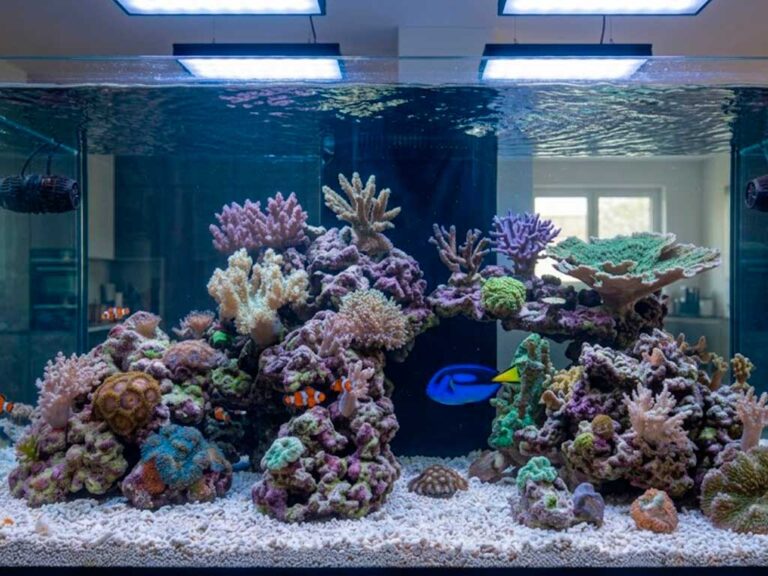
Everything You Need to Know about Aquarium Water Pumps
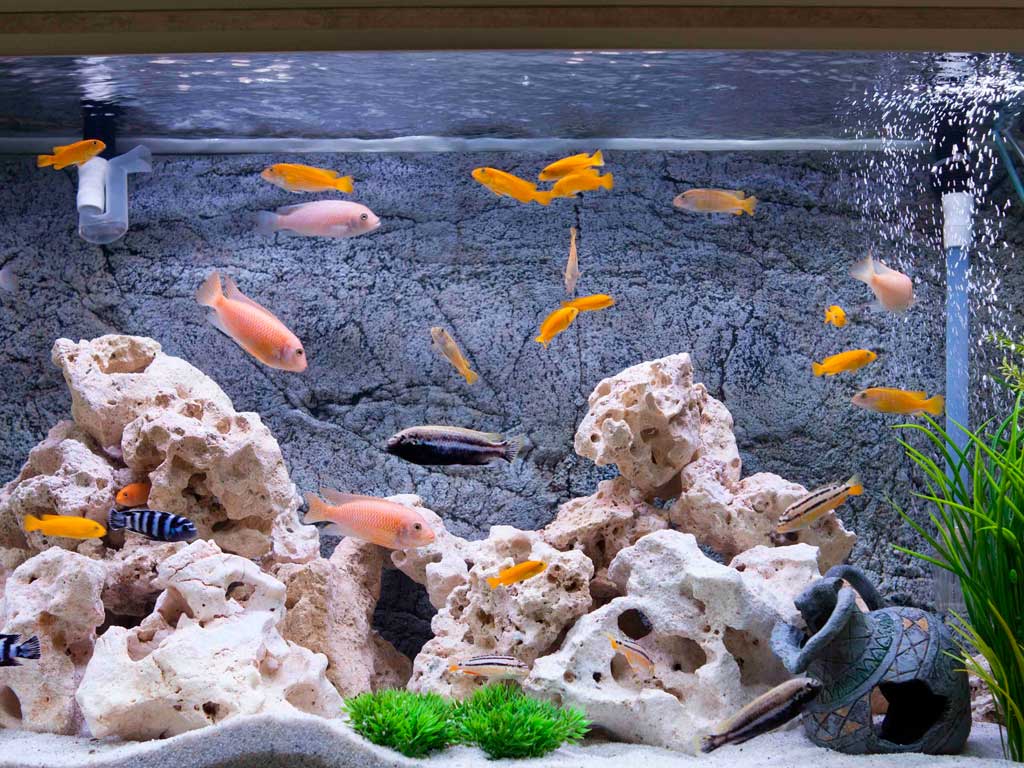
A water pump is essential to improve circulation and oxygenation in your aquarium or pond, ensuring optimal gas exchange to maintain adequate oxygen levels. By breaking the surface of the water, these pumps facilitate better oxygenation, crucial for the health of your fish.
For any aquarium hobbyist, a water pump is a must-have item. Maintaining the balance and health of your fish depends on the quality of the pump you choose. However, with the variety of brands and models available, it’s natural to feel overwhelmed.
Don’t worry, this guide will provide you with everything you need to become an aquarium water pump expert. Here you will find detailed information that will help you choose the perfect pump to guarantee a long and healthy life for your fish, just as you want.
What is an Aquarium Water Pump?
A water pump is a device that moves water within the aquarium, improving circulation and oxygenation. By breaking the surface of the water, they facilitate gas exchange, ensuring that oxygen levels are adequate for aquatic life. In addition, they help distribute nutrients and maintain a uniform temperature throughout the aquarium.
How Does an Aquarium Water Pump Work?
At the core of every water pump sits an impeller, a small spinning wheel of vanes driven by an electric motor. As the impeller spins, it pulls water in through an intake, transfers kinetic energy to it, and forces it back out into the tank. That constant push is what creates current, feeds water through your filter, and keeps the whole tank in motion instead of sitting still.
Submersible pumps release the small amount of heat their motor generates directly into the tank water, which matters for temperature-sensitive species. In-line and external pumps sit outside the aquarium, so they do not add heat to the water, though they run louder since there is no water around the motor to muffle the sound.
Types of Water Pumps
- Submersible Pumps: These pumps are placed inside the aquarium water. They are efficient and silent, ideal for aquariums where noise must be minimized. The Marineland Maxi-Jet 600 is a versatile option that converts between a powerhead and a circulation pump, moving 160 to 750 GPH depending on the attachment used.
- External Pumps: They are installed outside the aquarium and are usually more powerful than submersible pumps. They are suitable for large aquariums or systems that require greater water circulation.
- Air Pumps: Although they do not move water directly, air pumps generate bubbles that help oxygenate the water and create surface movement. Unlike a water pump, an air pump aerates through direct bubbles rather than surface agitation, and tends to be the gentler option for species like bettas that dislike strong current. The Tetra Whisper Air Pump suits tanks up to 60 gallons and works in both freshwater and marine setups.
Factors to Consider When Choosing a Water Pump
- Aquarium Size: The volume of water that the pump can move must be sufficient for the size of your aquarium. As a general rule, the pump should be capable of moving the entire volume of the aquarium several times per hour. For example, for a 150 liter aquarium, a pump that moves at least 900 liters per hour is recommended.
- Power and Flow: The power of the pump determines the strength of the flow. Some fish species prefer strong currents, while others need a gentler flow. It is beneficial to opt for pumps with adjustable flow to adapt the flow according to the needs of your fish.
- Noise: Especially in domestic environments, it is important to choose a pump that is as quiet as possible so as not to disturb the inhabitants of the home or the fish.
- Fish Species: Different species of fish have different preferences regarding water flow. For example, species such as danios, borachitos, gobies, and Chinese neon enjoy stronger currents. Other species, such as gastromyzon and sewellia, require very strong currents with high oxygen content. It is crucial to choose a pump that meets the specific needs of your fish.
Freshwater vs. Saltwater: Very Different Flow Needs
Flow requirements shift dramatically once corals enter the picture. In a freshwater tank, a pump is often a helpful supplement to your filter’s existing flow, with needs varying mainly by fish species. In a saltwater reef tank, dedicated powerheads or wave makers are close to essential.
Coral polyps cannot move to find food or escape their own waste. They depend entirely on water movement to deliver food particles, carry away debris, and support gas exchange across their surface. Without adequate flow, corals slowly starve and accumulate detritus even in otherwise pristine water.
This is why reef tank turnover targets run so much higher than freshwater. A typical reef system aims for roughly 20 to 40 times the tank volume in flow per hour, compared to the 5 to 10 times used as a freshwater baseline. Reef keepers also favor random, turbulent flow over one steady stream, since alternating wave makers mimic natural ocean surge and avoid the dead spots that a single-direction current leaves behind coral colonies. The Fluval Sea CP3 Wave Maker is built for this kind of circulation pattern and works in both freshwater and saltwater setups.
Fish-only marine tanks without corals sit closer to freshwater requirements, since the extra flow demand comes specifically from keeping corals and other sessile invertebrates, not from saltwater itself.
Instalation and maintenance
- Installation: Be sure to follow the manufacturer’s instructions for proper installation of the pump. This includes ensuring that the pump is properly submerged or positioned as necessary and that all connections are secure to prevent leaks.
- Regular Maintenance: Water pumps require regular cleaning and maintenance to function optimally. This includes cleaning the filters and moving parts to prevent debris buildup that could clog the pump. As a general guide, clean the pump every 4 to 6 months in a fish-only tank, and every 2 to 3 months in a reef tank, since calcium buildup on the impeller happens faster in saltwater.
Benefits of Using a Water Pump
- Improved Oxygenation: By moving water and breaking the surface, water pumps increase dissolved oxygen levels, essential for fish health.
- Even Distribution of Nutrients and Temperature: Water circulation helps distribute nutrients and maintain a uniform temperature throughout the aquarium, creating a more stable environment for fish and plants.
- Dead Zone Prevention: Dead zones, or areas of stagnant water, can accumulate waste and unwanted nutrients. Good water circulation prevents the formation of these zones, improving the overall quality of the water.
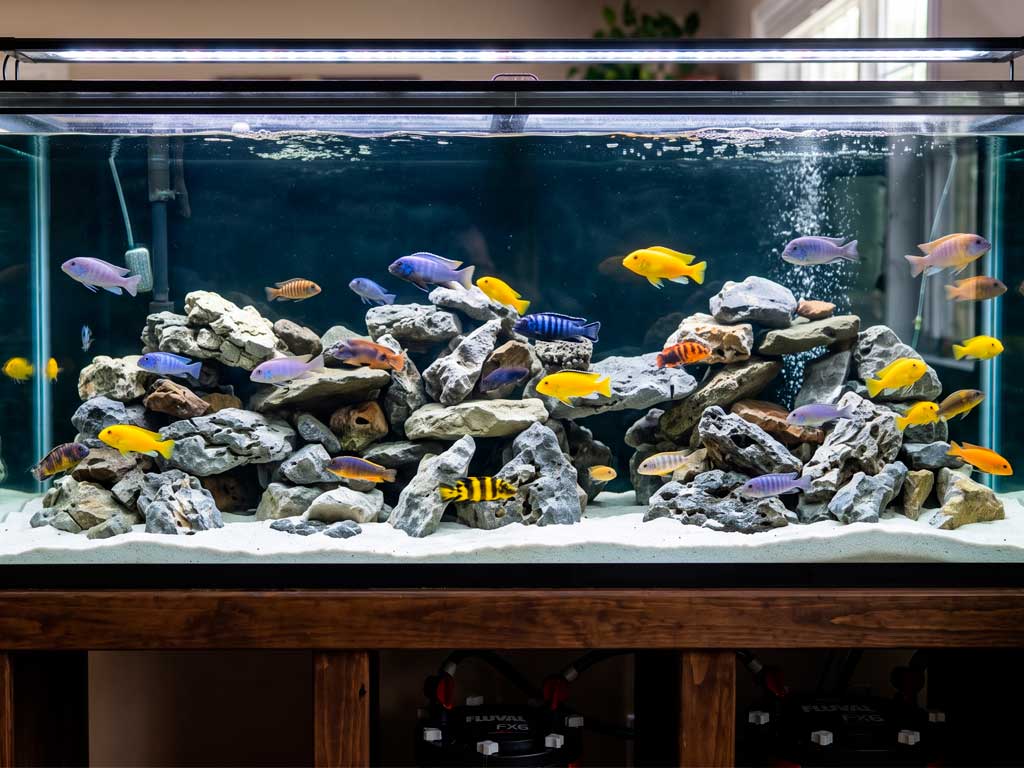
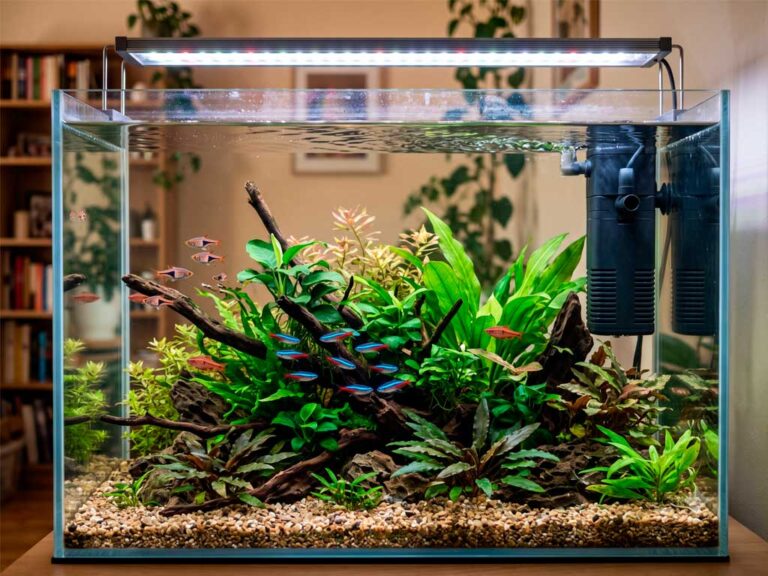
Consider the size of your aquarium, the specific needs of your fish, and the power and noise of the pump when making your decision. With the information and advice provided in this article, you will be well equipped to select the best pump for your aquarium, ensuring an optimal and healthy environment for your fish. Flow works alongside filtration and temperature control as part of the same life-support system, so pair this guide with our complete filtration guide and our heaters and thermometers guide for the full picture. Gentle-flow setups like a shrimp-safe aquarium sit at one end of the spectrum, while a heavily stocked African Cichlid tank often benefits from stronger circulation at the other.
Frequently Asked Questions
Should my aquarium water pump run all the time?
Yes. Water pumps and air pumps both function as life support, so turning them off for extended periods risks stagnant water, oxygen drops, and stressed fish.
What is a good flow rate formula for my tank?
For freshwater, aim for a pump rated at 5 to 10 times your tank’s volume in gallons per hour. For a reef tank with corals, aim considerably higher, around 20 to 40 times the tank volume, since coral polyps depend on strong, varied flow.
Do I need a water pump if I already have a filter?
Not always for smaller freshwater tanks, where filter output alone often provides enough circulation. Larger tanks, heavily stocked tanks, and any tank keeping corals typically need a dedicated pump or powerhead in addition to the filter.
What is the difference between a water pump and an air pump?
A water pump moves water directly and increases oxygen through surface agitation, while an air pump releases bubbles that rise and disturb the surface indirectly. Air pumps tend to suit flow-sensitive species like bettas better than a dedicated water pump.
Do all saltwater tanks need a wave maker?
Only tanks keeping corals or other sessile invertebrates strictly need one. Fish-only marine tanks without corals have flow needs much closer to a standard freshwater setup.
If you are planning your first marine tank from scratch, our saltwater aquarium setup guide for beginners covers circulation alongside every other piece of the build.