Dutch Spaniel (Kooikerhondje): The Duck-Luring Dog of Holland
Picture a hunting dog whose entire job is to trick ducks into swimming toward a trap, using nothing but a flick of its black-tipped tail. That’s exactly what the Dutch Spaniel dog breed, better known as the Kooikerhondje, was bred to do centuries ago in the Netherlands — and some still do it today.
It’s an unusual job for an unusual, striking little dog. Here’s what’s worth knowing before you bring one home.
Quick Facts About the Dutch Spaniel (Kooikerhondje)
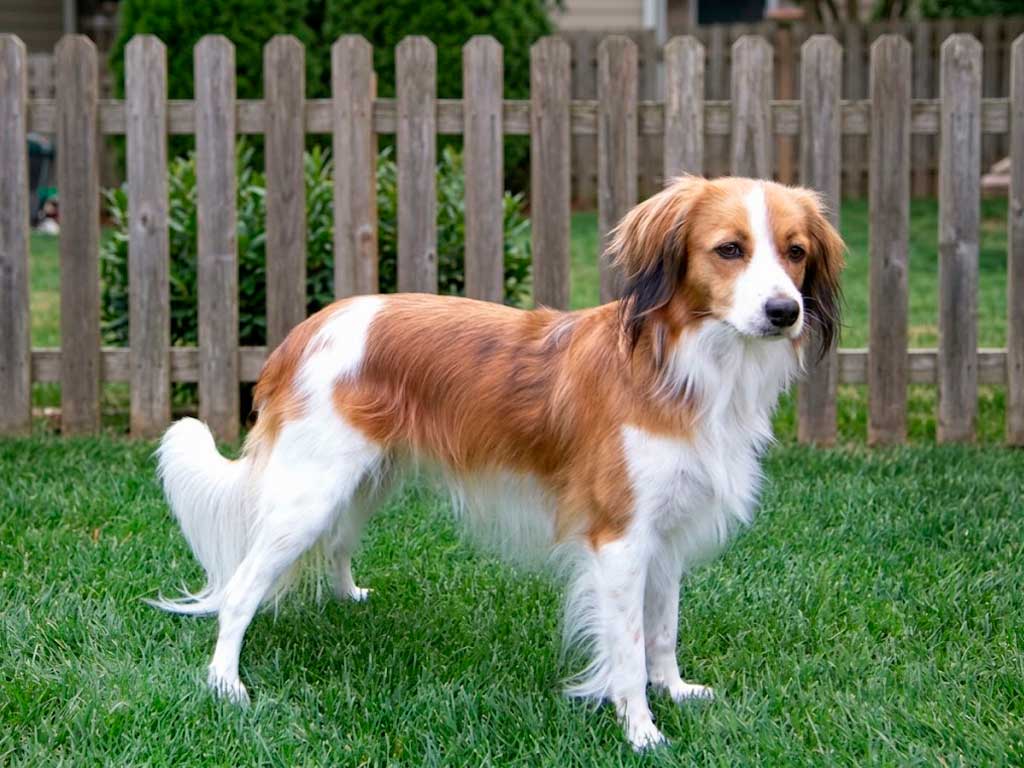
Here are the basics before we go deeper: Size: small to medium. Weight: around 20 to 24 pounds. Height: 14 to 16 inches at the shoulder. Coat: medium-length, white with orange-red patches and a distinctive black-tipped “earring” on each ear. Life expectancy: 12 to 14 years. Best suited for: active owners with some prior dog experience.
A Job Unlike Any Other Breed
Recognized in the Netherlands since the 17th century, this breed likely descends from Spanish spaniel-type dogs that arrived in the 1500s. Trust me on this one: its original job was genuinely clever. The dog would wag that eye-catching black-and-white tail near a duck pond, and curious ducks would follow it straight toward the kooiker’s waiting nets.
Dutch Master paintings from centuries ago show a dog that looks almost identical to the Kooikerhondje we see today, proof that this breed has barely changed in appearance over hundreds of years. In the UK, it was actually reclassified from the Gundog group to the Utility group, since it leads prey to nets rather than to a gun, which technically disqualifies it as a true hunting breed by British standards.
Personality: Friendly at Home, Reserved With Strangers
This breed is affectionate and attentive with family but can be genuinely aloof around people it doesn’t know. Here’s the thing — early socialization matters a lot here, especially around other dogs, since this breed can be particular about canine company without it.
Kooikerhondjes love training and genuinely enjoy new challenges, which makes them rewarding to work with once trust is established.
Daily Care Essentials
Diet and Nutrition
A properly balanced diet with the right proportion of core nutrients matters here, along with fresh water always available. Feed twice daily following your food’s specific guidelines, and check body condition regularly. Our full nutrition guide covers the fundamentals.
Exercise Requirements
Plan on more than two hours of exercise daily. Unsurprisingly for a duck decoy, this breed loves water and will dive in given any opportunity during a walk, so factor that into your route planning.
Grooming Needs
The coat is water-resistant and mud-repellent, so a simple brush once it dries usually does the trick. Twice-weekly brushing is generally enough, with extra attention to the feathering around the ears, tail, and legs, since those spots tangle easily.
Health Considerations
Thanks to careful breeding, the hereditary conditions once associated with this breed, epilepsy and patellar luxation, are now uncommon.
This isn’t meant as medical advice, just a heads-up worth knowing before you commit. Ask your vet about routine screening at checkups, even though this is generally a robust, healthy breed.
Mistakes to Avoid
New owners sometimes skip early socialization with other dogs, which this breed’s naturally particular streak makes riskier than usual. Underestimating the exercise needs is another common misstep, especially since this compact-looking dog needs well over two hours of activity daily.
Don’t expect instant warmth toward strangers, either. This breed’s reserve isn’t shyness to correct so much as a genuine personality trait.
Frequently Asked Questions
Is the Kooikerhondje the same as a spaniel?
Not exactly. Despite the name Dutch Spaniel, it’s classified as a Utility or working breed rather than a true spaniel, due to its unique duck-decoy history.
Is this breed good with kids?
It can be, though supervision matters, and this breed does better with older, calmer kids than with toddlers given its reserved streak with unfamiliar people.
How much exercise does a Kooikerhondje need?
Plan on more than two hours daily. This breed has real stamina and a strong love of water, so swimming makes a great addition to the routine.
Are Kooikerhondjes rare?
Yes, relatively. This breed remains uncommon outside the Netherlands, though its popularity has grown internationally in recent decades.
Curious about another breed with a duck-luring past? The Nova Scotia Duck Tolling Retriever shares an almost identical historical job, and the Chesapeake Bay Retriever is another water-loving breed worth a look. Browse the full dog breed library or try the Dog Breed Quiz to keep exploring.