Valencian Ratter: Spain’s Underrated Farm Dog
The Valencian Ratter is one of Spain’s lesser-known native breeds, despite centuries of work on farms across the Valencian Community. This small, athletic dog descends from European terriers brought to Spain in the 1500s, crossed with local working stock.
Few outside the region know this breed exists, yet it remains a genuine cultural fixture at home. Here’s everything you need to know before bringing one into your family.
Quick Facts
- Life expectancy: 12 to 15 years
- Weight: 4 to 8 kg (9 to 18 lbs)
- Height: 30 to 40 cm at the shoulder (12 to 16 inches)
- Size: Small
- Colors: Predominantly white with black, brown, or tan patches, or tricolor
- Exercise needs: High, one to two hours a day
- Grooming needs: Low, one weekly brush
- Good for: Active owners, families with children
Valencian Ratter History and Origin
The Valencian Ratter, also known as the Gos Rater Valencià in Catalan, comes from the Valencian Community in eastern Spain. Its roots trace back to European terriers brought over in the sixteenth century, later crossed with local Spanish breeds.
Farmers originally bred this dog specifically to control rats and mice around farms and homes. Today, one of the few native Spanish breeds with official recognition from national canine associations, it remains a cultural symbol across rural Valencia.
Physical Characteristics
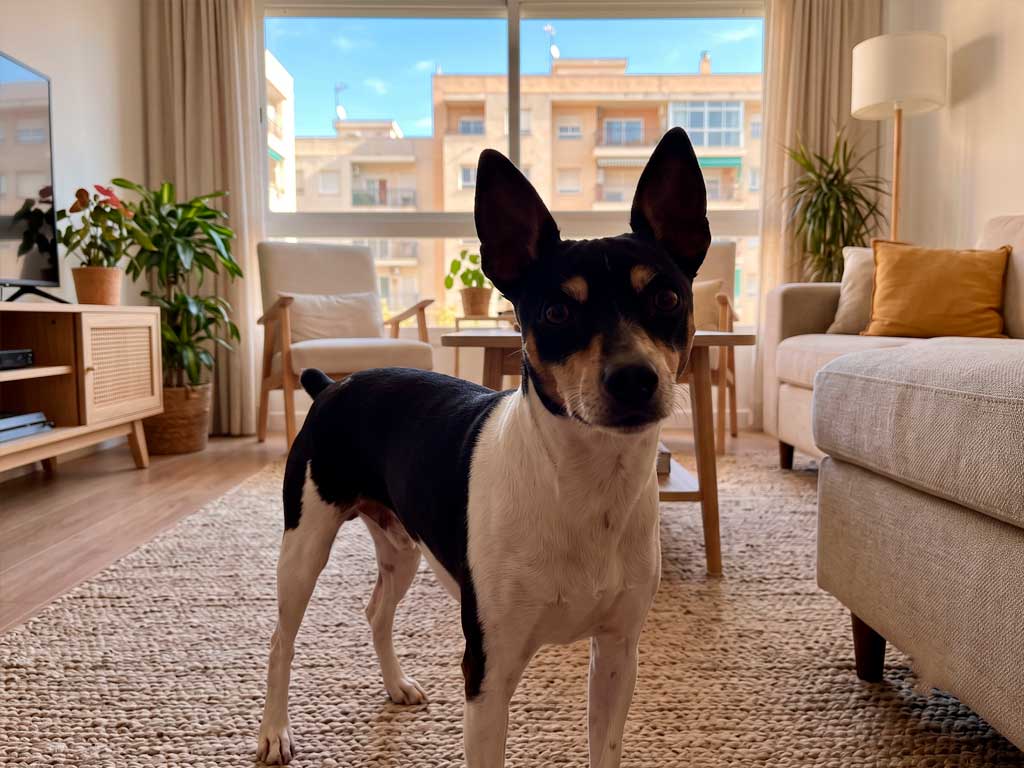
This breed carries a compact, athletic build designed for speed and agility, both essential for chasing down rodents. Expect a triangular head, erect ears, and dark, lively eyes full of intelligence.
The short, smooth coat stays easy to maintain and typically shows white as the dominant color, with black, brown, or tan patches, sometimes in a tricolor pattern.
Valencian Ratter Temperament and Personality
The Valencian Ratter stays active, intelligent, and genuinely brave for its size. Here’s the thing — this breed carries a real hunting instinct, yet it also makes an affectionate, sociable family companion.
Expect patience and playfulness with children, along with good manners around other dogs once socialized early. Despite its small frame, this dog stays alert and protective, making it a surprisingly capable little watchdog.
Care Guide
Diet and Nutrition
Feed a balanced diet formulated for small, active breeds to match this dog’s energy needs. Talk to your vet about portion sizes and any adjustments specific to your dog’s activity level.
Exercise Requirements
Plan on one to two hours of activity daily, since this breed carries genuinely high energy levels. Long walks, interactive games, and time outdoors keep a Valencian Ratter balanced and content.
Give it time and consistent structure, and that same energy channels into a wonderfully engaged companion.
Grooming Needs
That short coat needs just a weekly brush to remove loose hair and stay clean. Trust me on this one: low-maintenance grooming makes this breed genuinely approachable for busy households.
Gear That Actually Helps
A secure harness with a sturdy leash helps manage this breed’s strong prey drive during walks, especially around small critters. Look for a lightweight design, since a bulky harness can restrict a dog built for speed and agility.
Training and Socialization
Early socialization matters enormously for this breed, so expose your puppy to new people, animals, and environments as soon as possible. This dog responds well to positive reinforcement, and its sharp intelligence makes advanced training genuinely achievable.
Struggling with an independent streak? Consistent, engaging training sessions channel that independence into real focus rather than stubbornness.
Valencian Ratter Health and Longevity
The Valencian Ratter is a generally hardy breed, often living between 12 and 15 years. Regular vet checkups help catch small-breed issues like dental disease or allergies early.
As always, this article offers general guidance, not veterinary advice — talk to your vet about routine screening for your dog.
Is the Valencian Ratter Right for You?
This breed suits active owners who want an intelligent, engaged companion in a compact size. It adapts well to apartment living, provided it gets regular access to open space for running and play.
If you want a loyal, capable little dog with genuine working-breed roots, the Valencian Ratter delivers exactly that.
Frequently Asked Questions About the Valencian Ratter
Is the Valencian Ratter good for families?
Yes, this breed tends to be playful and affectionate, especially with children. Early socialization helps it become a well-rounded family companion.
Does the Valencian Ratter need a lot of exercise?
Yes, plan on one to two hours of daily activity to keep this energetic breed balanced. Walks, games, and outdoor time all help.
Is the Valencian Ratter hard to train?
No, its intelligence and eagerness to learn make training genuinely manageable. Positive reinforcement methods work especially well with this breed.
Can the Valencian Ratter live in an apartment?
Yes, as long as it gets enough exercise and regular access to open space. Consistent daily activity matters more than square footage.
Is the Valencian Ratter a good guard dog?
Yes, despite its small size, this breed stays alert and protective. It reliably announces anything unusual around the home.
How long do Valencian Ratters live?
Most live between 12 and 15 years with proper care. Regular vet visits support a long, healthy life.
Does the Valencian Ratter get along with other dogs?
Generally yes, especially with early socialization. Gradual introductions help this breed adjust smoothly to other pets.
What colors do Valencian Ratters come in?
This breed is predominantly white with black, brown, or tan patches, sometimes in a tricolor pattern. Its coat stays short and easy to maintain.
Is the Valencian Ratter officially recognized as a breed?
Yes, it’s one of the few native Spanish breeds with recognition from national canine associations. It remains a cultural symbol in the Valencian Community.
Does the Valencian Ratter have a strong hunting instinct?
Yes, this breed was originally bred to hunt rats and mice, and that drive still shows today. Secure leash walking helps manage it around small animals.
Curious how the Valencian Ratter compares to Spain’s other native breeds, like the Podenco Maneto? Both share deep working roots in Spanish farm life. Browse the full Dog Breeds hub to explore more guides, or try our Dog Breed Quiz to find your best match.