Hungarian Puli: The Herding Dog With Dreadlocks
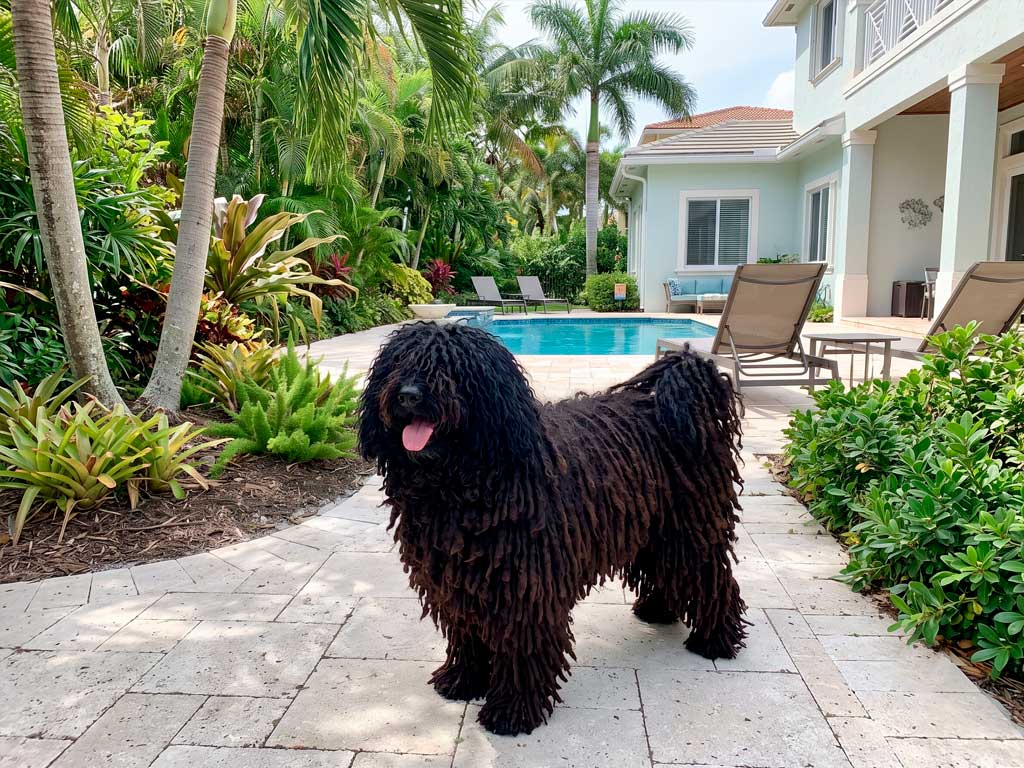
The Hungarian Puli is instantly recognizable by its long, corded coat that can reach the ground by adulthood. This medium-sized herding breed comes from Hungary, where it worked livestock for centuries before becoming a beloved, if high-maintenance, companion.
Here’s what daily life looks like with this famously dreadlocked dog, from grooming routines to exercise needs.
Quick Facts
- Life expectancy: 12 to 16 years
- Weight: Males 13-15 kg, females 10-13 kg
- Height: Males 40-44 cm, females 37-41 cm
- Size: Medium
- Colors: Black, rusty black, white, apricot, and gray shades
- Coat: Distinctive corded coat, hypoallergenic, doesn’t shed
- Exercise needs: High, at least one hour a day
- Good for: Experienced owners with time for grooming
What Makes the Hungarian Puli Unique
Magyar tribes brought the Puli to Hungary in the ninth century, where it worked as a herding and guard dog for livestock. Generations of breeders selected for working ability first, and the dog’s now-famous corded coat developed as a practical byproduct of its harsh, outdoor lifestyle.
That coat doesn’t fully form until around age three, and it comes in black, rusty black, white, apricot, or gray. Under all that fur sits a genuinely muscular, athletic dog built for real work.
Common Challenges and How to Handle Them
New owners sometimes underestimate how much this breed bonds to one specific person. Here’s the thing — a Puli stays friendly overall, but it announces visitors loudly and shows real reserve toward strangers.
This breed can also be stubborn, though it learns quickly once training clicks. Give it time and consistent structure, and that stubborn streak turns into genuine loyalty.
Daily Care Essentials
Coat Care and Grooming
This breed needs its coat checked every couple of days to remove debris and tangled dirt. You can clip the coat short if you’d rather skip the dreadlock look, though show dogs must keep the traditional cords.
Trust me on this one: only bathe a corded Puli in summer, since the coat can take days to dry completely. The upside is real, though — this breed doesn’t shed and suits people with allergies fairly well.
Exercise Requirements
Plan on at least an hour of exercise daily, and this breed genuinely appreciates more when you can give it. Free playtime in a secure yard lets a Puli’s herding instincts get some real use.
Struggling to tire out a working breed like this one? Structured games and herding-style activities burn energy faster than a plain walk.
Gear That Actually Helps
A slicker brush alone won’t cut it for this coat — a wide detangling comb and dog-safe conditioning spray make coat checks faster and less stressful. Look for a comb with rounded tips, since it’s gentler against the skin during regular debris checks.
Hungarian Puli Health Considerations
The Hungarian Puli is generally a healthy, sturdy breed. Hereditary eye disorders and hip dysplasia show up occasionally, so responsible breeders test hips and eyes before breeding.
As always, this article offers general guidance, not veterinary advice — talk to your vet about breed-specific screening before bringing one home.
Frequently Asked Questions About the Hungarian Puli
Is the Hungarian Puli hypoallergenic?
Yes, this breed doesn’t shed much and suits many allergy sufferers reasonably well. Regular coat care still matters to keep things clean and tangle-free.
Does the Hungarian Puli get along with children?
With proper socialization and supervision, yes. Its herding instinct means some dogs may try to herd young kids, so early training helps.
Is the Hungarian Puli easy to train?
This breed learns quickly once training clicks, though it can show a stubborn streak at first. Consistency and positive reinforcement work best.
How much grooming does a Hungarian Puli need?
The coat needs checking every couple of days for debris, and it only fully forms around age three. Owners can clip the coat short to skip the traditional cords.
Does the Hungarian Puli bark a lot?
Yes, this breed tends to announce visitors and stays alert to anything unusual. Its watchdog instincts run strong despite its friendly overall nature.
How much exercise does a Hungarian Puli need?
Plan on at least an hour of daily activity, and more when possible. This breed genuinely thrives with a job to do.
How long do Hungarian Pulis live?
Most live between 12 and 16 years with proper care. Regular vet visits support a long, active life.
Can a Hungarian Puli live with other pets?
It’s possible with early socialization, though some training may be needed for smooth introductions. This breed’s herding instinct can show up around smaller animals.
Is the Hungarian Puli a good guard dog?
Yes, this breed stays alert and vocal around strangers, making it a genuinely capable watchdog. It isn’t aggressive, just naturally cautious.
Can you bathe a Hungarian Puli anytime?
No, most owners bathe a corded Puli only in summer, since the coat takes days to dry fully. Spot-cleaning works better the rest of the year.
Final Verdict: Is the Hungarian Puli Right for You?
This breed suits experienced owners who don’t mind a serious grooming commitment. It thrives with daily exercise, a job to do, and a family willing to earn its trust.
If you want a loyal, low-shedding companion with a truly one-of-a-kind look, the Hungarian Puli delivers exactly that.
Curious how the Hungarian Puli compares to other working and herding breeds? Browse the full Dog Breeds hub to explore more guides, or try our Dog Breed Quiz to find your best match.