Pyrenean Sheepdog Breed: The Complete Guide for Active Owners
Considering a Pyrenean Sheepdog for your next companion? You’re looking at one of the smallest herding breeds, yet one of the most energetic and mentally sharp dogs around. This guide covers origin, temperament, exercise, and health so you know exactly what to expect. Drawing on official breed standards and hands-on pet care expertise, we’ll walk through everything a future owner needs. Let’s start with where this feisty little herder comes from.
History and Origin
The Pyrenean Sheepdog ranks among France’s oldest breeds, with origins tracing back at least to the 19th century. Shepherds relied on it to guide large flocks of sheep through the mountainous Pyrenees region.
World War I brought this breed international attention, since the French army used it as a messenger dog. Today, it still works as a herder in rural France, though its primary role has shifted toward that of a devoted companion.
Physical Characteristics
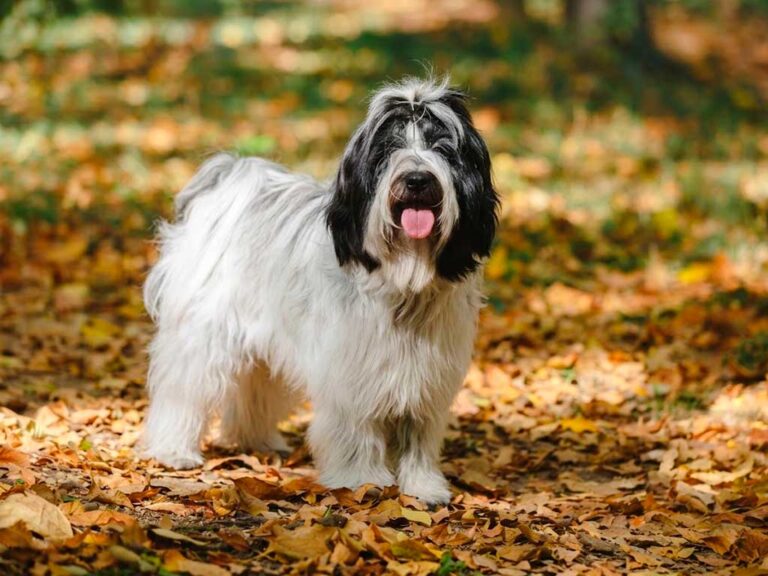
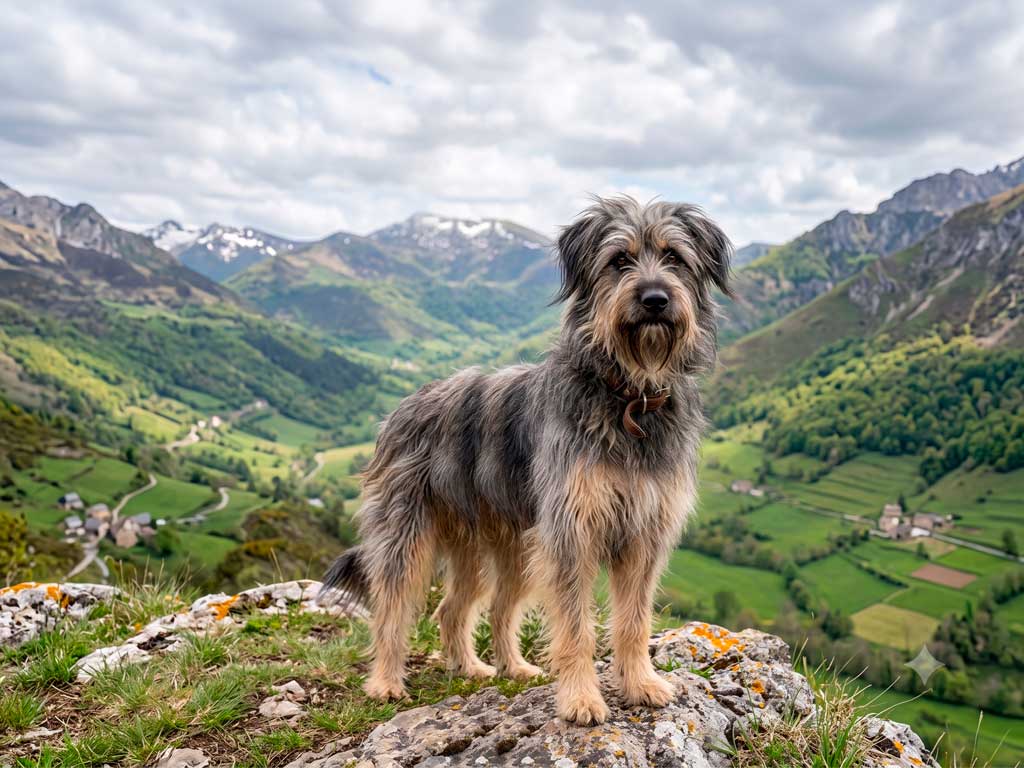
Medium in size, the Pyrenean Sheepdog counts as one of the smaller herding breeds overall. It carries a slender, athletic frame topped with a long or semi-long coat that gives it a distinctive “windswept” look.
Coat colors vary widely, ranging from cream and gray to blue merle, slate blue, brindle, black, or black and white. Adult males stand between 16 and 19 inches, while females measure 15 to 18 inches.
Weight stays surprisingly light for a herding breed, typically falling between 15 and 33 pounds depending on size and sex.
Temperament and Personality
Curious, alert, and bursting with energy, the Pyrenean Sheepdog never lost its natural herding instinct. That instinct needs a positive outlet, or it can turn into nipping at heels or chasing anything that moves.
Naturally wary of strangers, this breed still keeps a good-natured temperament around unfamiliar people. However, first-time owners often struggle here. In more experienced hands, this dog thrives during training and genuinely enjoys the mental challenge.
Care Guide
Diet and Nutrition
The Pyrenean Sheepdog’s diet should include a proper balance across all major nutrient groups, along with constant access to fresh water. Regular check-ins on body condition help keep this active breed at a healthy weight.
Feed twice daily, following the guidelines specific to whichever formula you choose. Because this breed burns energy quickly, consistent feeding schedules matter more than with less active dogs.
Exercise Requirements
Given its small size, this breed carries surprising amounts of energy. Plan for at least one hour of off-leash running daily, and more whenever possible.
The Pyrenean Sheepdog excels across many dog sports, from obedience and agility to flyball and working trials. Since it’s always eager to learn, structured activities channel that mental and physical energy productively.
Grooming Needs
Two coat types exist within this breed: long and semi-long. Both carry a rough texture and need brushing roughly twice a week to prevent knots and tangles.
Regular brushing sessions also give you a chance to check for skin issues hidden beneath the coat. Staying consistent here prevents mats from building up over time.
Training and Education
This breed’s sharp intelligence makes training genuinely enjoyable, provided the owner brings consistency and patience. Positive reinforcement methods bring out the best results, since harsh corrections tend to make an already wary dog even more cautious.
Early socialization deserves particular attention. Because the Pyrenean Sheepdog stays naturally suspicious of strangers, structured exposure to new people and situations during puppyhood helps prevent excessive wariness later on.
Owners should also expect a highly vocal dog. Teaching a reliable “quiet” cue early makes daily life considerably smoother.
Health and Longevity
The Pyrenean Sheepdog enjoys a notably long lifespan, typically living between 15 and 17 years. Overall, the breed stays robust and healthy compared to many purebred dogs.
Still, hereditary eye disorders and hip dysplasia can appear. Screening for both hip and eye issues before breeding helps reduce the risk of passing these conditions to puppies.
This article is for general educational purposes only and doesn’t replace professional veterinary advice. Always consult your veterinarian about your dog’s specific health needs.
Is This the Right Dog for You?
The Pyrenean Sheepdog suits experienced owners who can offer serious daily exercise and consistent training. Active households involved in dog sports will likely get the most out of this breed’s natural talent and drive.
On the other hand, first-time owners or those seeking a calm, low-energy companion should think twice. This breed’s herding instinct and high energy demand real commitment.
Frequently Asked Questions (FAQs)
Is a Pyrenean Sheepdog a good family dog? Yes, for experienced families willing to supervise interactions with young children and provide consistent structure.
How much exercise does a Pyrenean Sheepdog need? At least one hour of off-leash activity daily, ideally more, given this breed’s naturally high energy levels.
Does a Pyrenean Sheepdog bark a lot? Yes, this breed tends to be quite vocal by nature, making early training around barking especially useful.
Is the Pyrenean Sheepdog good for first-time owners? Not typically. This breed does best with experienced owners who understand herding instincts and consistent training methods.
What’s the difference between the long-haired and smooth-faced varieties? The smooth-faced Pyrenean Sheepdog has shorter hair on the face, while the standard variety carries a fuller, shaggier coat throughout.
Start with a solid exercise routine before anything else. An hour of real activity every day keeps this breed’s sharp mind and body satisfied. For more herding breed guides, check out our Belgian Malinois, Tervuren, Anatolian Shepherd, and Briard articles at Happy Pet Zone.