
The Otterhound breed is one of the rarest dogs in the world—more endangered than the giant panda. These large, water-loving hounds were bred centuries ago to hunt otters along English riverbanks. Today, they’re gentle family companions that need experienced owners and plenty of outdoor time.
If you’re considering an Otterhound, you need to know what you’re getting into: a dog that adores water, requires consistent exercise, and comes with specific health considerations. Let’s break down everything you need to know about this unique breed.
History and Origin of the Otterhound
The Otterhound breed emerged in medieval England, with the earliest documented records dating back to the 12th century during the reign of King Henry II. However, the modern Otterhound as we know it today developed in the 18th century.
These dogs were purpose-bred to hunt otters in English rivers and streams. Landowners viewed otters as pests that threatened their fish stocks, so they crossed various hound breeds—likely including the Bloodhound, Foxhound, and Water Spaniel—to create a dog tough enough to pursue otters through water and over land.
Otterhound hunting remained popular until the late 20th century. The otter population declined significantly due to habitat loss and pollution, so hunting was banned in England in 1978. When the ban went into effect, the Otterhound population began to plummet. The breed had no other primary purpose, and breeders lost interest.
Today, the Otterhound is classified as a vulnerable breed. The UK Kennel Club reports fewer than 50 puppies registered annually. International breed clubs are working to preserve the breed, but numbers remain critically low. The breed ranks among the rarest in the world—a stark reminder of how quickly a working dog can become endangered when its original job disappears.
Physical Characteristics
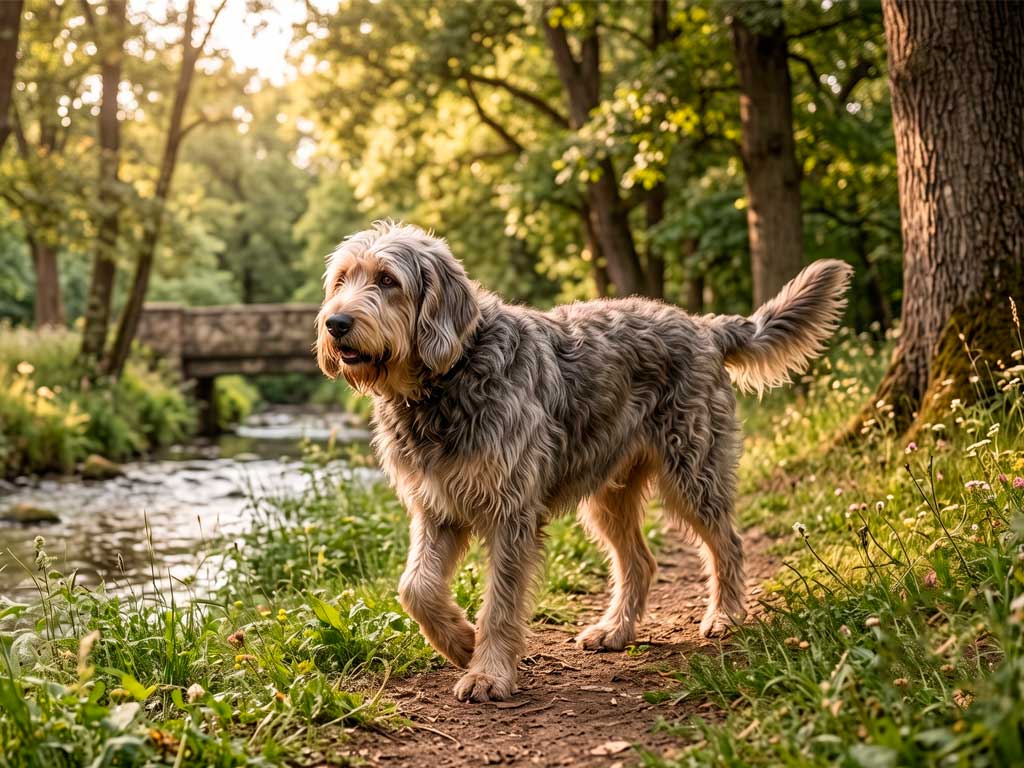
Otterhounds are large, powerful dogs built for endurance and swimming. An adult male stands 69 cm (27 inches) tall and weighs 36–54 kg (80–120 pounds). Females are slightly smaller at 61 cm (24 inches) and typically weigh in the same range.
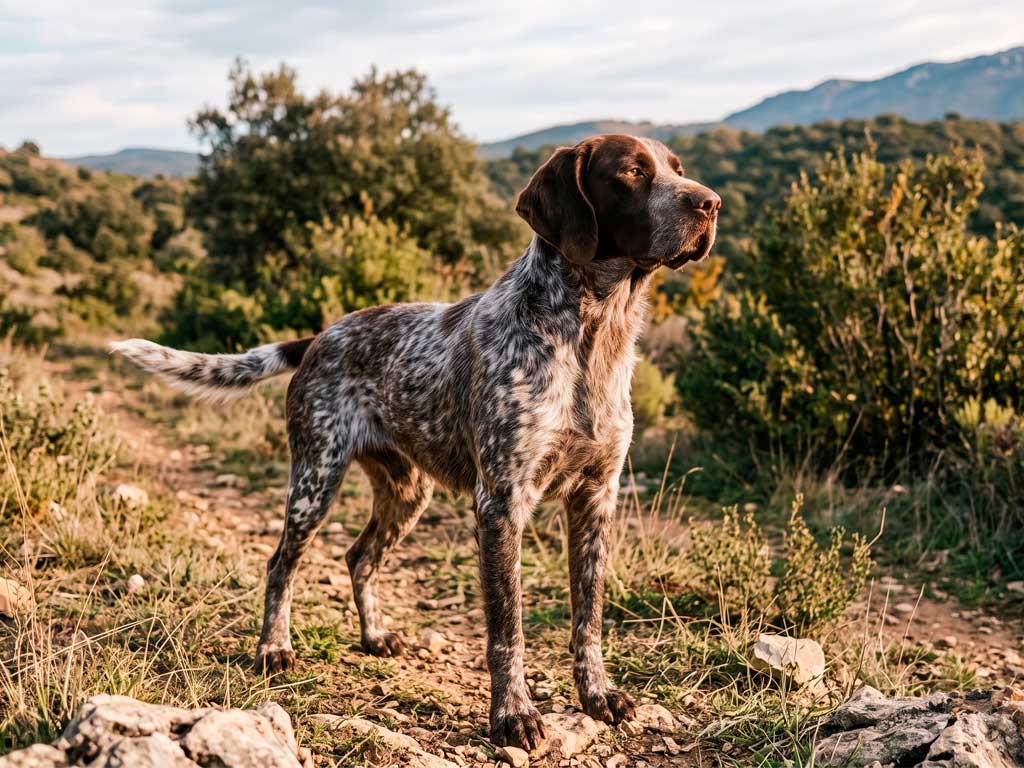
Their most distinctive feature is their coat: a thick, double-layered covering that’s rough to the touch and naturally oily. This texture isn’t accidental—the oil provides waterproofing. Coat colors include red, grizzle, blue, sand, tan, and combinations with white, cream, liver, or black. Most Otterhounds display the brindled or “hound” coloring typical of working scent hounds.
Otterhounds have large, webbed paws with interdigital membranes between the toes. This design acts like a built-in swimming paddle. Their ears are long and pendant, hanging close to the head. Their long tail helps with balance and navigation in water.
The breed has a distinct facial structure: a long, tapered muzzle and a nose designed for scent work. Male Otterhounds often display prominent beards and whiskers, which can become quite bushy.
Otterhound: Temperament and Personality
The Otterhound breed is known for its friendly, outgoing personality. These dogs genuinely love people and show enthusiasm that borders on exuberance. They’re bonded to their family and want to be included in everything.
Don’t mistake their gentleness for shyness. Otterhounds are vocal and expressive—they bark, howl, and bray with gusto. Historically, this vocalization was useful for alerting hunters to the dog’s location during hunts. Modern Otterhounds haven’t lost this trait, so if you dislike noisy dogs, this breed isn’t for you.
With children, Otterhounds are patient and playful—but their size and exuberance can accidentally knock over small kids. Always supervise interactions with young children. Older children who understand a dog’s boundaries usually have wonderful relationships with Otterhounds.
Otterhounds generally get along well with other dogs, though their pack hunting heritage means they can have a high prey drive. Socializing early is important if you plan to keep cats or small pets.
The reality check: Otterhounds are independent thinkers. They were bred to follow scent trails and make decisions on their own. This makes them moderately stubborn in training. They’re intelligent but not always eager to please. Consistent, reward-based training works best.
Care Guide
Diet and Nutrition
Large-breed dogs like Otterhounds have different nutritional requirements than smaller breeds. They need balanced minerals, fats, and proteins to support their heavy frames.
Otterhounds can be prone to gastric dilatation-volvulus (bloat)—a potentially life-threatening condition where the stomach twists. To reduce risk:
- Feed multiple smaller meals daily rather than one large meal
- Avoid rigorous exercise immediately after eating
- Choose high-quality dog food formulated for large breeds
- Discuss digestive supplements with your veterinarian
An adult Otterhound typically eats 3–4 cups of quality dry dog food daily, depending on age, metabolism, and activity level. Ask your vet for breed-specific feeding recommendations.
Exercise Requirements
This is non-negotiable: Otterhounds need substantial daily exercise. Plan for at least 2 hours of activity per day. Without adequate exercise, they become destructive, anxious, and difficult to manage.
These dogs thrive in activities that align with their heritage:
- Swimming is ideal—they’re practically amphibious and will enter water whenever possible
- Long trail walks where they can follow scents
- Running alongside a bike or vehicle
- Scent work games and nose work training
Puppies and young Otterhounds need controlled exercise. Avoid repetitive jumping or hard running until skeletal maturity (around 18 months), as they’re prone to joint problems.
A small apartment or a sedentary household is unsuitable for an Otterhound. This breed needs active owners who enjoy the outdoors.
Grooming Needs
The Otterhound’s double coat requires regular maintenance. Plan to brush 2–3 times weekly to manage shedding and prevent matting. During shedding seasons (spring and fall), increase brushing to daily.
Their coat is naturally oily, so they don’t need frequent baths—every 6–8 weeks is sufficient. When bathing, use a gentle dog shampoo that won’t strip natural oils.
Special attention for:
- Beard and whiskers: These collect water and food. Wipe them after meals and swimming to prevent odor and bacteria growth
- Ear care: Long, droopy ears trap moisture. Check and clean weekly to prevent ear infections
- Nail trimming: Keep nails trimmed every 4–6 weeks
One reality of Otterhound ownership: they shed heavily and love water. If you’re fastidious about a clean house, this breed will test your patience.
Training and Education
Otterhounds are intelligent but not obedient dogs. They were bred to work independently and follow their instincts. This means training requires patience, consistency, and high-value rewards.
Start socialization and basic obedience as a puppy. The breed responds best to:
- Positive reinforcement: Treats, praise, and play work. Punishment-based methods create resistance
- Short sessions: 10–15 minute training blocks hold their attention better than long sessions
- Scent work training: This taps into their natural drive and engagement
The critical command: reliable recall. Otterhounds have a strong prey drive and will chase rabbits, deer, or scents without hesitation. A dog that won’t come when called will cause you constant stress. Invest heavily in recall training and don’t let your Otterhound off-lead in unsecured areas.
Crate training is useful, as is basic impulse control work. Some owners find scent detection training (nosework) to be transformative—it channels the breed’s innate skills and builds confidence.
Otterhound: Health and Longevity
Otterhounds typically live 10–13 years. As a rare breed, genetic health data is limited, but known health concerns include:
Hip and elbow dysplasia are the primary concerns. Before breeding, responsible breeders screen parents’ hips and elbows via X-ray (OFA or PennHIP scores). As an owner, feed a large-breed puppy formula and avoid overexercising puppies to protect developing joints.
Ear infections are common due to their long, floppy ears. Regular cleaning and drying after water activities reduce risk.
Bloat (discussed in the nutrition section) is a serious, sometimes fatal condition. Know the symptoms—abdominal distension, unproductive vomiting, restlessness—and keep an emergency vet’s contact info accessible.
Thyroid issues have been reported anecdotally in the breed, though research is limited.
Because the Otterhound breed is so rare, finding a responsible breeder is critical. Work with breeders who conduct health screening and can provide proof.
Is an Otterhound the Right Dog for You?
An Otterhound is ideal if you:
- Live in an active household with time for 2+ hours of daily exercise
- Have access to water (a pool, lake, or river is a dream)
- Are comfortable with a large, muddy dog that sheds
- Want a loyal, friendly family companion
- Can handle an independent-minded, moderately stubborn dog
- Have some dog training experience
An Otterhound is not right if you:
- Live in a small apartment or have a sedentary lifestyle
- Want an obedient, eager-to-please dog
- Are bothered by shedding, barking, or wet dogs
- Don’t have time for consistent training and socialization
- Prefer a low-maintenance breed
Frequently Asked Questions
1. Are Otterhounds good with kids? Yes, Otterhounds are patient and playful with children. However, their size and enthusiasm can accidentally knock over toddlers. Supervise all interactions and teach children to respect the dog’s boundaries.
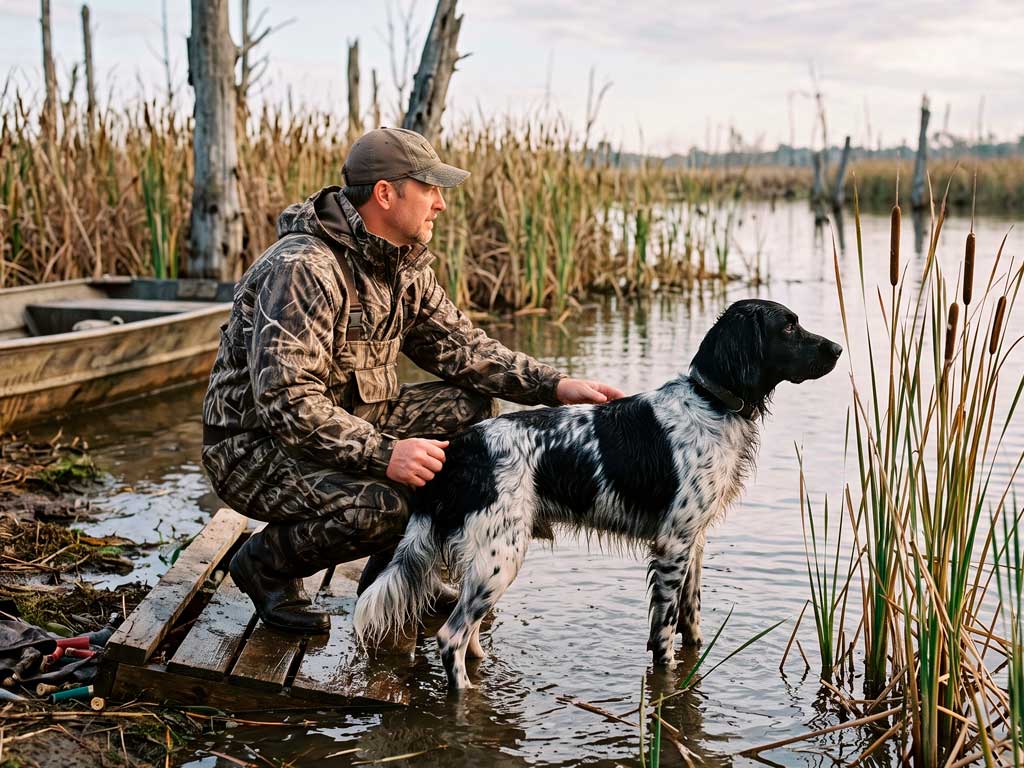
2. Do Otterhounds swim naturally? Absolutely. Otterhounds are natural swimmers with webbed feet and water-resistant coats. Most love water and will jump into any body of water they encounter. This is both charming and occasionally inconvenient—protect your pool, and never leave them unsupervised near water unless you have a secure fence.
3. How much does an Otterhound puppy cost? Because of their rarity, Otterhound puppies are expensive—typically $1,500–$3,000 USD or more. Finding a reputable breeder can take time and patience. Check breed clubs and always vet breeders carefully.
4. Are Otterhounds rare? Yes, extremely rare. Fewer than 50 are registered annually in the UK. They’re estimated to be rarer than giant pandas. Waiting lists for puppies are common.
5. How do I prevent my Otterhound from running off? Recall training must start early and be consistent. Use high-value rewards (cheese, chicken) to reinforce coming when called. Never rely on an off-leash Otterhound in unsecured areas. A solid recall takes years to build—it’s not optional for this breed.
Related Articles
Curious about other large dog breeds? Check out our guides to Newfoundlands, Bloodhounds, and Beagles—all breeds that share some of the Otterhound’s heritage and traits.
Disclaimer: This guide is informational and not a substitute for professional veterinary advice. If you’re considering an Otterhound, consult with your veterinarian and connect with breed clubs to ask detailed health and behavioral questions.