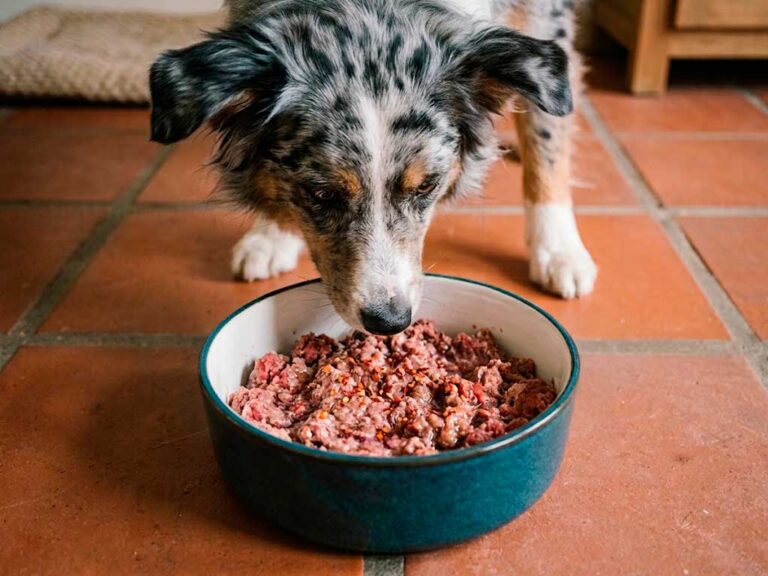
Activated Charcoal for Dogs: The Lifesaving Must-Have for Your Pet Emergency Kit
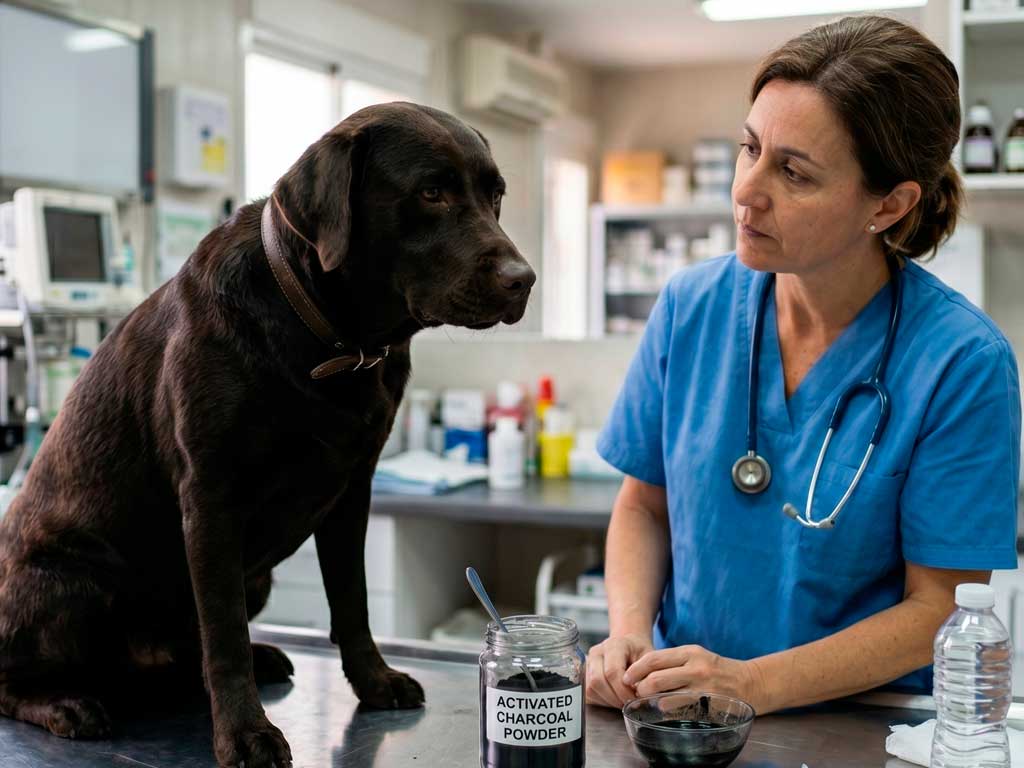
Your dog suddenly starts drooling, trembling, or vomiting, and you have no idea why. Your first instinct is to search for what can you give a dog that’s been poisoned, hoping something like activated charcoal for dogs or a quick kitchen cabinet fix will work fast.
Here’s the honest answer: in most cases, the safest thing you can give your dog is a phone call, not a home remedy. This guide walks you through the exact steps vets and poison control centers recommend, the common mistakes that make things worse, and how to tell whether you’re dealing with an emergency.
Quick Facts
- First step: Call your vet or a poison control hotline before doing anything else
- ASPCA Animal Poison Control Center: 1-888-426-4435 (24/7, consultation fee may apply)
- Pet Poison Helpline: 1-855-764-7661
- Home remedies to avoid without professional guidance: hydrogen peroxide, activated charcoal, milk, salt, any DIY vomiting method
- Time matters: many toxins have a narrow decontamination window, so act quickly but don’t guess
How to Tell if Your Dog Has Been Poisoned
Dogs explore the world with their mouths, so accidental poisoning happens more often than most owners expect. Watch for these warning signs.
- Vomiting or diarrhea, sometimes with blood
- Pale, blue-tinged, or bright red gums
- Tremors, seizures, or wobbly movement
- Excessive drooling
- Rapid or labored breathing
- Lethargy or sudden collapse
If your dog is having seizures, has collapsed, or can’t stay conscious, treat it as a life-threatening emergency. Get to an emergency vet immediately instead of reading further.
What Can You Give a Dog That’s Been Poisoned? The Real Answer
The most important thing you can give your dog is fast, guided action. Here’s the sequence that actually helps.
1. Move Your Dog Away From the Source
Get your dog away from the toxin right away. If it’s a spilled chemical or a chewed plant, prevent further exposure before anything else.
2. Identify What They Got Into
Look around for evidence: an open medicine bottle, a chewed houseplant, a torn chocolate wrapper, or a puddle of antifreeze. Save the packaging if you can find it. This detail changes what your vet recommends next.
3. Call a Professional Immediately
Contact your regular vet, the nearest emergency animal hospital, or a poison control hotline. Have this information ready:
- Your dog’s breed, age, weight, and sex
- The symptoms you’re seeing
- What they were exposed to, if known
- How much they were exposed to and when
- Any medications or supplements your dog currently takes
4. Follow Their Instructions Exactly
The professional on the phone will tell you what to do based on the specific toxin. Sometimes that means inducing vomiting with hydrogen peroxide under their guidance. Other times, vomiting is the last thing you should do. This decision depends on facts you don’t have access to at home, which is why skipping this call is the biggest risk you can take.
Common Mistakes That Make Poisoning Worse
Older advice around dog poisoning, including outdated versions of this very guide, recommended home remedies without professional input. Current veterinary guidance is clear that these steps can backfire.
- Inducing vomiting on your own. If the substance was a cleaning product, acid, or petroleum-based item, vomiting can cause additional burns or lung damage on the way back up.
- Giving milk or oil “just in case.” These don’t neutralize most toxins, and milk can trigger diarrhea in lactose-intolerant dogs, worsening dehydration.
- Using salt to induce vomiting. This can cause dangerous sodium poisoning on top of the original problem.
- Waiting to see if symptoms improve. Some toxins, like certain rodenticides, take days to show effects while damage continues internally.
- Giving activated charcoal without guidance. Dosing depends on the toxin and timing, and getting it wrong wastes time your dog doesn’t have.
Everyday Household Toxins to Watch For
Prevention beats treatment every time. These items cause the majority of poisoning cases in dogs.
In the kitchen:
- Chocolate, especially dark or baking chocolate
- Grapes and raisins
- Onions and garlic
- Xylitol, found in sugar-free gum and some peanut butters
In the garage and garden:
- Antifreeze, which has a sweet taste dogs find appealing
- Fertilizers and slug bait containing metaldehyde
- Lilies, hydrangeas, and other toxic plants
In the medicine cabinet:
- Acetaminophen and ibuprofen
- Prescription medications left within reach
- Topical creams containing steroids or NSAIDs
Store these items in latched cabinets, and consider walking your yard to identify toxic plants your dog can reach.
What Happens During Aftercare and Recovery
Recovery time depends heavily on what caused the poisoning. Mild cases may resolve within a day, while toxins affecting the liver or kidneys often require a longer recovery period on a bland, easily digestible diet. Some dogs need IV fluids to flush the toxin from their system, and your vet may prescribe supplements to support organ recovery afterward. Ask your vet what signs of relapse to watch for once you’re home.
Building a Poison-Proof Home
A few habits go a long way toward preventing a repeat emergency.
- Install childproof latches on any cabinet storing chemicals or medication
- Keep the ASPCA Poison Control and your vet’s number saved in your phone
- Put together a simple pet first aid kit and store it somewhere easy to grab
- Teach a reliable “leave it” or “drop it” cue during training
- Switch to pet-safe de-icing salt and pesticide products where possible
Frequently Asked Questions
What can you give a dog that’s been poisoned?
Don’t give anything without professional guidance first. Call your vet or a poison control hotline, and follow their specific instructions based on what your dog was exposed to.
Can I give my dog milk if it ate something toxic?
No. Milk doesn’t neutralize most toxins and can cause diarrhea in dogs who are lactose intolerant, adding another problem on top of the poisoning.
How do I know if my dog is poisoned?
Common signs include vomiting, diarrhea, drooling, tremors, pale or blue gums, and sudden lethargy. Seizures or collapse mean it’s an emergency.
Is hydrogen peroxide safe to give a poisoned dog?
Only under direct instruction from a vet or poison control. It’s contraindicated for certain toxins and can cause additional harm if used incorrectly.
What household items are most likely to poison dogs?
Chocolate, xylitol, grapes, onions, antifreeze, rodenticides, and common human medications cause the majority of cases.
How long does dog poisoning take to show symptoms?
It varies widely. Some toxins cause symptoms within minutes, while others, like certain rodenticides, may not show effects for several days.
Should I make my dog throw up if it ate chocolate?
Call your vet first. The right answer depends on how much chocolate, what type, and how long ago it happened.
What number do I call if my dog is poisoned?
Your regular vet is the first call. If they’re unavailable, contact the ASPCA Animal Poison Control Center at 1-888-426-4435 or the Pet Poison Helpline at 1-855-764-7661.
Can activated charcoal help a poisoned dog at home?
It can, but only when a professional confirms it’s appropriate and tells you the correct amount. Using it incorrectly wastes valuable time.
How much does it cost to treat dog poisoning?
Costs vary from a simple vet consultation to hospitalization with IV fluids, which can run several hundred to a few thousand dollars depending on severity.
If your dog ever gets into something toxic, save yourself the panic and build a first aid kit before you need it. Check out our dog first aid kit essentials guide to see exactly what belongs in it, including activated charcoal and when it’s actually safe to use.