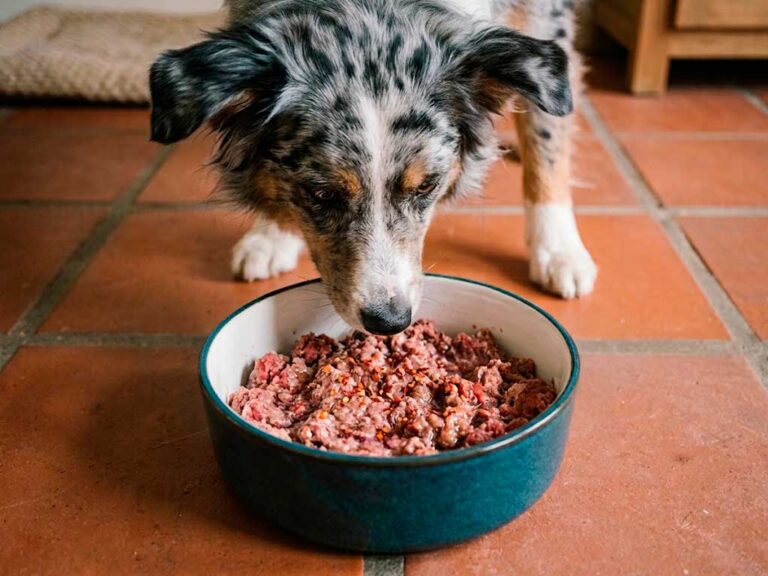
10 Nutrient-Rich Superfoods for Dogs to Boost Immunity and Recovery
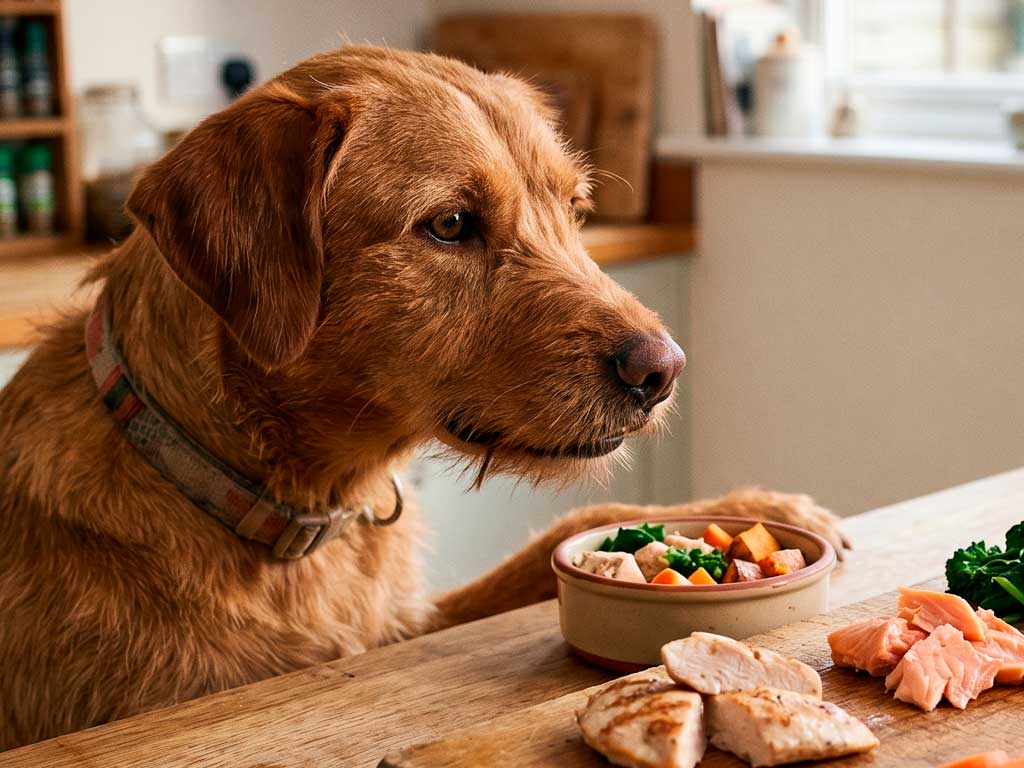
Every dog owner wants their furry best friend to live a long, vibrant, and healthy life. While a high-quality standard diet provides baseline nutrition, certain whole foods offer an extra nutritional punch. These are what we call superfoods for dogs.
Whether your pup is recovering from an illness, dealing with a picky appetite, or simply needing a seasonal health boost, incorporating these nutrient-dense ingredients can make a world of difference. Best of all, they are highly accessible, affordable, and easy to prepare.
Disclaimer: While these natural ingredients offer wonderful health benefits, they should complement a balanced diet, not replace it. Always consult your veterinarian before making significant changes to your pet’s nutrition, especially if they have pre-existing medical conditions.
Guide to Dog Superfoods
Here are 10 exceptional foods that offer a “little something extra” for your dog’s immune system, digestion, and overall vitality.
1. Lean Meat
Lean meat (such as skinless chicken breast or turkey) is a foundational building block for canine health. It provides a highly complete profile of essential amino acids that support muscle development and cellular repair.
- The Benefit: Low fat content keeps your dog at a healthy weight.
- The Risk: Regularly feeding high-fat meats can lead to rapid weight gain and potentially life-threatening pancreatitis, a severe inflammation of the pancreas that requires urgent veterinary care.
- How to Serve: Sear the meat on a hot skillet with zero oil, butter, or salt. Lightly searing the outside reduces the risk of bacterial contamination like Salmonella, which can easily multiply on raw poultry. Keep the inside juicy.
2. Salmon and Tuna
Fatty fish like salmon and tuna are packed with Omega-3 fatty acids, making them excellent natural anti-inflammatories.
- The Benefit: Omega-3s work wonders for lubricating dry skin, making the coat shine, and providing gentle joint relief for dogs suffering from arthritis.
- How to Serve: Steam or grill the fish with absolutely no oil, salt, or spices. Ensure it is fully cooked and completely free of bones.
- Bonus Tip: This serves as a fantastic topper. You can easily mix it with healthy complex carbohydrates like white rice, brown rice, oatmeal, or quinoa.

FROM JUSTFOODFORDOGS
Fresh, Human-Grade Dog Food
Vet-formulated recipes made with real, whole ingredients — delivered frozen straight to your door.
Get 50% Off My First OrderHappy Pet Zone may earn a commission when you click through to JustFoodForDogs, at no extra cost to you.
3. Eggs
Eggs are a biological powerhouse. They contain a massive array of essential and secondary amino acids that support the entire canine body.
- The Benefit: Eggs support optimal brain development in growing puppies and help delay neurodegenerative issues in senior dogs. They also contain compounds like betaine, which aid in repairing and protecting liver function.
- How to Serve: Hard-boil the egg completely. Never serve raw eggs mixed into kibble; if left in the bowl, raw egg becomes an immediate breeding ground for harmful bacteria.
- Frequency: Keep it balanced—offering hard-boiled eggs 2 to 3 times a week is more than enough.
4. Carrots
Carrots are a versatile, budget-friendly root vegetable loaded with beta-carotene and essential vitamins.
- The Benefit: Served raw, cold carrots act as a fantastic, low-calorie chew toy that naturally scrapes away plaque and soothes teething puppies.
- The Secret Weapon: Boiled carrots are the secret behind the famous Moro Soup (a historic remedy for intestinal distress). Carrots contain specific oligosaccharides that mimic intestinal walls, effectively “tricking” and trapping harmful gut bacteria so they are safely excreted.
5. Pumpkin
If your dog frequently suffers from a sensitive stomach, plain pumpkin is a must-have pantry staple.
- The Benefit: Packed with soluble fiber, pumpkin is highly digestible and acts as a natural regulator. Remarkably, it aids both diarrhea and constipation by adjusting moisture levels in the gut.
- How to Serve: Puree plain, boiled pumpkin (or use 100% pure canned pumpkin with no added sugars or spices). For a dog recovering from an upset stomach, a bland mix of boiled pumpkin, white rice, and lean chicken works wonders.
6. Brown Rice
While white rice is good for quick energy during an acute bout of diarrhea, brown rice offers superior daily nutritional value.
- The Benefit: Brown rice retains its outer hull, which contains vital vitamins and a high concentration of dietary fiber.
- Why It Works: The fiber content promotes a feeling of fullness (satiety), preventing your pup from begging for food constantly, while gently moving the digestive tract forward.
7. Plain Natural Yogurt
Yogurt is a probiotic powerhouse that actively supports your dog’s microbiome.
- The Benefit: It calms noisy, gassy stomachs and helps solidifies stools.
- The Picky Eater Hack: If your dog is bored of their dry kibble, mixing in one or two tablespoons of plain yogurt instantly transforms the texture and flavor. During hot summer months, it serves as a cooling, refreshing treat.
- Critical Rule: Only use 100% plain, unsweetened yogurt. Avoid flavored varieties, and double-check that it contains zero artificial sweeteners like Xylitol, which is highly toxic to dogs.
8. Apples
Apples are a crisp, hydrating treat rich in Vitamin A, Vitamin C, and a structural fiber called pectin.
- The Benefit: Pectin improves transit time in the gut and keeps your dog feeling satisfied without packing on the calories.
- Critical Safety Step: You must always remove the core and all black seeds. Apple seeds contain cyanogenic glycosides (cyanide). While a single seed won’t harm a human, consistent consumption can build up toxic levels in a dog’s smaller system.
9. Spinach
Spinach is a nutrient-dense leafy green that provides a powerful dose of natural antioxidants.
- The Benefit: Antioxidants fight free radicals and combat the cellular oxidative stress that triggers chronic inflammation and diseases like cancer.
- The Caution: Spinach contains oxalic acid, which can interfere with calcium absorption if fed in massive quantities.
- How to Serve: Lightly steam or boil the spinach al dente and chop it finely before mixing it into their food. Never cook it with garlic or onions, as these belong to the Allium family and are highly destructive to canine red blood cells.
10. Sweet Potatoes
When it comes to healthy carbohydrates, sweet potatoes easily outperform standard white potatoes.
- The Benefit: They are a fantastic source of complex carbohydrates with a low glycemic index. This means they provide a steady, slow-release energy stream without causing a sudden spike in blood sugar.
- Ideal For: Convalescent or recovering dogs. The energy from sweet potatoes directly fuels the brain and muscles while remaining incredibly gentle on a weakened digestive system.
- How to Serve: Boil or bake them thoroughly with the skin on. Serve plain—no butter, no brown sugar, and no salt.
Troubleshooting: How to Introduce Superfoods Safely
When adding new whole foods to your dog’s diet, rushing the process can cause the exact digestive upset you are trying to prevent. Follow this simple checklist for success:
- The 10% Rule: Treats and fresh food toppers should never exceed 10% of your dog’s daily caloric intake. The remaining 90% must come from a complete, balanced dog food.
- Introduce One by One: Introduce only one new superfood at a time. Wait 48 hours to monitor your dog’s stool and energy levels. If they develop diarrhea, you will know exactly which ingredient caused it.
- Keep it Bland: Human palates love seasoning, but a dog’s digestive system does not. No oils, no salt, no butter, and no spices. Nature provided all the flavor your dog needs!