Clumber Spaniel: Breed Facts, Care Tips, and Temperament Explained
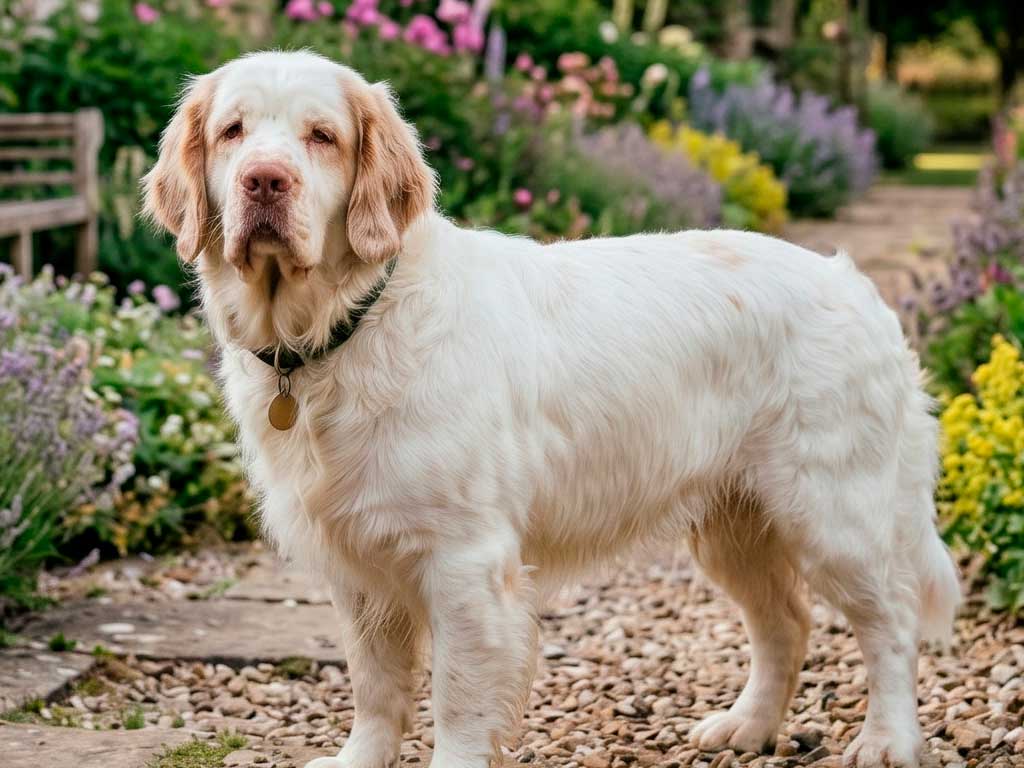
The Clumber Spaniel is one of Britain’s most overlooked gun dog breeds — slow-moving, heavily built, and drool-prone, yet undeniably charming. If you’re drawn to a loyal, gentle sporting dog that won’t demand marathon-level exercise, this article covers everything you need to make an informed decision.
Here’s what’s interesting: the Clumber is classified as a Vulnerable Native Breed by the UK Kennel Club, with fewer than 300 new registrations recorded each year. Despite centuries of royal patronage — from Prince Albert to King Edward VII — this breed is surprisingly rare today.
In this article, you’ll find the Clumber’s full history, physical profile, temperament breakdown, grooming and feeding requirements, and a clear answer to the question most prospective owners ask: is this the right dog for me?
History and Origin of the Clumber Spaniel
The Clumber Spaniel’s backstory is genuinely contested — and that makes it fascinating.
For a long time, the dominant theory held that the breed originated in France. According to this account, the Duc de Noailles gave his prized spaniel kennel to the Duke of Newcastle at Clumber Park, Nottinghamshire, during the French Revolution — a move to protect the dogs from the chaos unfolding across the Channel. The breed’s name is believed to derive from that English estate.
However, that theory has fallen out of favour. Most breed historians now believe the Clumber is a British creation, developed by crossing various hunting spaniel types — possibly with Basset Hound or Alpine Spaniel blood — to produce a heavier, slower, more methodical working dog suited to dense undergrowth.
What’s certain is the breed’s long association with British royalty. Prince Albert, consort of Queen Victoria, kept seven Clumbers. King Edward VII was such an enthusiast that he commissioned Fabergé to sculpt a chalcedony Clumber Spaniel named “Sandringham Lucy,” with ruby eyes. The piece sold in 1909 for 102 GBP — an extraordinary sum at the time.
Furthermore, the Clumber Spaniel was among the first breeds officially recognised by the American Kennel Club, and depictions of the breed in fine art date as far back as 1788.
Physical Characteristics
The Clumber Spaniel is unmistakable. Heavy, long-bodied, and close to the ground, it looks more like a bear cub than a typical gun dog.
Key physical stats:
- Height: 45–50 cm
- Weight: 29.5–34 kg (males); 25–29.5 kg (females)
- Lifespan: 10–12 years
- Coat color: Predominantly white with lemon or orange markings; freckled muzzle
- Size classification: Large
The coat itself is silky, dense, and flat, with longer feathering on the legs, chest, and belly. That feathering is beautiful — but it tangles easily if neglected. The muzzle freckling is a charming breed signature and one of the most endearing visual details of the Clumber.
One notable trait: this breed drools. A lot. The heavy flews (pendulous upper lips) that give the Clumber its thoughtful, slightly mournful expression are also responsible for some impressive slobber. If you’re house-proud, keep a drool cloth handy — it’s a practical necessity, not an option.
Temperament and Personality
Here’s the honest truth about the Clumber Spaniel’s personality: it’s a spaniel that doesn’t quite behave like one.
Most spaniels are energetic, excitable, and eager to please at almost annoying levels. The Clumber is calmer, more reserved, and noticeably more deliberate in everything it does. That said, it is still deeply devoted to its family and genuinely affectionate with the people it trusts.
What Clumber owners consistently report:
- Quiet and composed indoors, rarely barking without reason
- Strong bond with family members, including children
- Friendly toward other pets when properly socialised
- Occasional stubbornness — especially if they’ve decided something isn’t worth doing
- Food motivation that makes training genuinely rewarding
The Clumber is not a guard dog. It won’t alert you to every passing stranger, and it’s unlikely to intimidate anyone. Instead, what you get is a calm, steady companion that fits naturally into family life without creating drama.
Care
Diet and Nutrition
The Clumber Spaniel is a large-breed dog with a large appetite, and its nutritional needs differ meaningfully from smaller breeds.
Large dogs require specific ratios of calcium and phosphorus to support healthy bone and joint development, particularly during puppyhood. A high-quality commercial food formulated for large breeds is the most practical starting point.
Feeding principles to follow:
- Feed twice daily rather than one large meal to reduce bloat risk
- Measure portions carefully — Clumbers gain weight easily
- Adjust intake based on activity level; a working Clumber burns more calories than a house companion
- Provide constant access to fresh water
- Monitor body condition monthly; you should feel the ribs easily but not see them
Given this breed’s susceptibility to hip dysplasia, foods containing omega-3 fatty acids, glucosamine, and chondroitin can support joint health over the long term. Discuss supplementation with your vet before adding anything to the diet.
Exercise Requirements
Despite its gun dog heritage, the Clumber Spaniel is the least demanding spaniel in terms of daily exercise.
Around one hour per day is sufficient for a healthy adult. That can mean a longer morning walk paired with some garden time in the afternoon — nothing more intense is required. The Clumber is slower than other spaniels by design; it was bred to work methodically through thick cover, not to sprint across open ground.
Here’s the critical point, though: the Clumber has an extraordinary nose. Off-lead exercise is perfectly manageable, but recall training is non-negotiable. Once a scent captures their attention, the outside world ceases to exist. Train recall from early puppyhood, and reinforce it consistently.
Avoid high-impact exercise — particularly jumping and rough play — in puppies under 18 months. The Clumber’s heavy frame places real stress on developing joints, and orthopaedic problems in adulthood are frequently linked to over-exercising young dogs.
Grooming Needs
The Clumber’s silky coat is one of its most attractive features — and its most demanding maintenance requirement.
Grooming routine:
- Brush thoroughly every other day, paying particular attention to feathering on the legs and chest where tangles form fastest
- Trim the fur between the paw pads every three to four weeks to prevent matting and improve traction
- Check and clean ears weekly — the long, heavy ears restrict airflow and create ideal conditions for infection
- Bathe every six to eight weeks, or when the coat becomes soiled after outdoor work
- Trim nails monthly
The white coat also shows dirt readily. If your Clumber enjoys countryside walks — and they do — expect to do some post-walk cleanup. A damp cloth and a quick brush-down after muddy outings will keep grooming sessions more manageable.
Training and Education
Training a Clumber Spaniel is a genuinely enjoyable process — with the right approach.
This breed is intelligent and motivated to please, which sets it apart from more independent working breeds. However, Clumbers can also be selectively stubborn, particularly when they don’t see the point of a task or when the reward on offer isn’t compelling enough.
What works reliably:
- Positive reinforcement, especially food-based rewards
- Short sessions of 10–15 minutes maximum — Clumbers lose focus quickly
- Consistency across all handlers in the household
- Early socialisation with children, other dogs, and unfamiliar environments
What to avoid:
- Harsh corrections or punishment-based methods — these damage trust with a sensitive breed
- Repetitive drills without variation — boredom is the enemy of compliance
- Skipping recall training — this is not optional for a scent-driven dog
Basic obedience is straightforward with a well-motivated Clumber. Advanced training — including field work, tracking, or scent detection — is absolutely within this breed’s capability. They are, after all, working dogs at heart.
Health and Longevity
The Clumber Spaniel has a lifespan of 10 to 12 years, which is typical for a large breed.
There are, however, several health conditions that prospective owners should understand before committing.
Common health concerns:
- Hip dysplasia — abnormal hip joint formation that causes pain and reduced mobility; hip scoring of both parents before breeding is essential
- Entropion — inward rolling of the eyelid, which causes corneal irritation and often requires surgical correction; eye health screening should be standard in breeding pairs
- Intervertebral disc disease (IVDD) — the Clumber’s long, low-slung body makes it susceptible to spinal issues
- Ear infections — the pendulous ears trap moisture and debris; weekly ear checks are a genuine preventive measure
- Weight gain — obesity places compounding pressure on joints already predisposed to dysplasia
Always request health certificates for hip and eye screenings before purchasing from a breeder. Responsible breeders health-test as a matter of course; those who don’t are not worth your time or money.
Is the Clumber Spaniel the Right Dog for You?
The Clumber Spaniel suits a specific kind of owner — and if that’s you, you’ll wonder why everyone doesn’t have one.
This breed is an excellent match if you:
- Want a calm, affectionate family dog that isn’t constantly bouncing off the walls
- Can commit to regular, thorough grooming every other day
- Have some experience with dogs (this isn’t the ideal first breed for a complete novice)
- Enjoy countryside walks and outdoor activity at a relaxed pace
- Are comfortable with drool as a daily reality of life
This breed may not suit you if:
- You want a highly trainable performance dog for competitive dog sports
- You’re a neat freak who can’t tolerate drool, hair, or muddy paw prints
- You live in a flat with no outdoor access
- You need a reliable guard dog with territorial instincts
The Clumber rewards patience, consistency, and genuine affection. Get those foundations right — responsible breeder, early socialisation, steady training — and you’ll have one of the most quietly remarkable companions in the spaniel family.
Frequently Asked Questions About the Clumber Spaniel
1. How rare is the Clumber Spaniel? Extremely rare, particularly in the UK. The Kennel Club classifies it as a Vulnerable Native Breed, with fewer than 300 new registrations each year. This means finding a reputable breeder takes time — waiting lists of six months to a year are common. Start your search through breed clubs rather than general pet advertising sites.
2. Do Clumber Spaniels drool a lot? Yes — significantly more than most breeds. The Clumber’s heavy flews produce notable drooling, especially after eating, drinking, or physical exertion. This is a permanent breed trait, not a sign of illness. Most Clumber owners keep dedicated drool cloths in key spots around the home. If heavy drooling is a dealbreaker for you, this isn’t the right breed.
3. Are Clumber Spaniels good with children? Generally yes. Clumbers are calm, gentle, and patient, which makes them well-suited to family life with children. However, their size means they can inadvertently knock over small toddlers. Interactions between young children and any dog — regardless of breed — should always be supervised by an adult.
4. How much grooming does a Clumber Spaniel need? More than average. The silky coat with its long feathering requires brushing every other day, plus weekly ear checks, monthly nail trims, and regular trimming of the paw pad fur. Owners who let the coat go between grooming sessions find tangles develop quickly, particularly on the legs and chest. If you can’t commit to this schedule, a professional groomer every six to eight weeks is a viable supplement.
5. What health tests should a Clumber Spaniel breeder provide? At minimum, both parents should be hip-scored and eye-tested before breeding. Hip dysplasia and entropion (an eyelid condition) are the two most significant inherited health concerns in the breed. Ask to see certificates for both tests, and walk away from any breeder who can’t produce them. Responsible breeding is the single biggest factor in long-term health outcomes for this breed.
Now you have a complete picture of the Clumber Spaniel — history, temperament, care demands, and health realities.
The most important next step? Start with the right breeder. Contact the breed club in your country, request health certificates upfront, and get on a waiting list if necessary. A well-bred, well-socialised Clumber is worth every moment of the wait.