Why Does My Cat Ask for Food But Not Eat? Understanding the Causes and What You Can Do
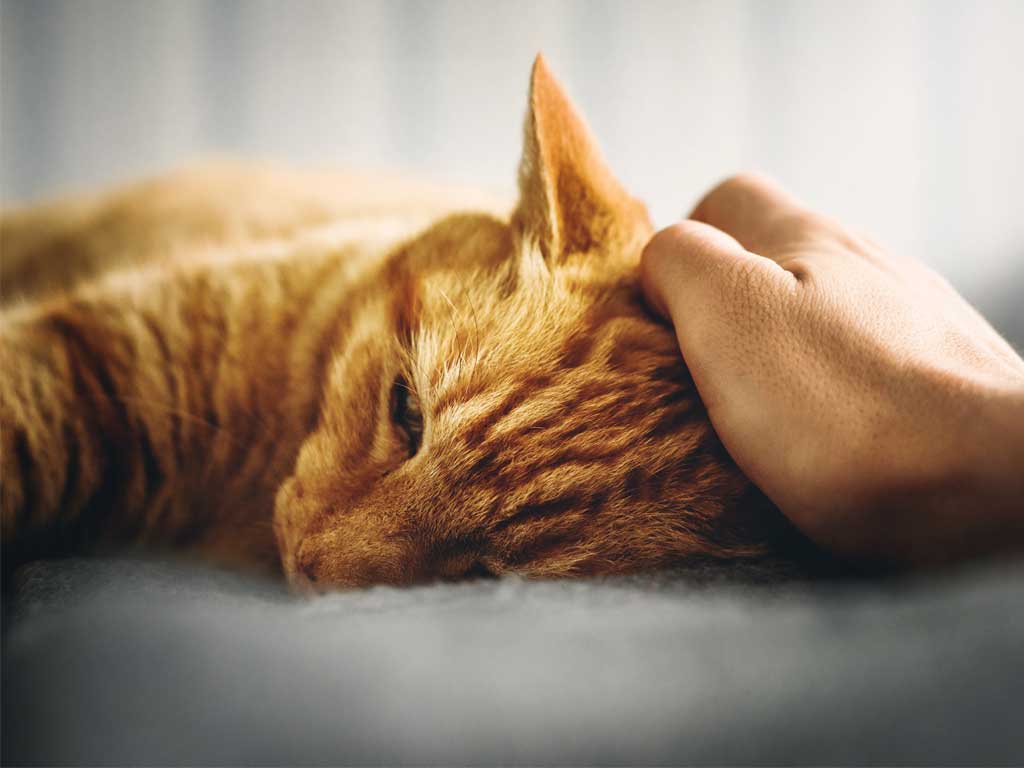
It can be genuinely distressing to watch your cat meow persistently for food, walk over to the bowl, sniff it, and then walk away without eating a bite. This pattern — a cat asking for food but not eating — confuses a lot of owners, and it’s easy to assume stubbornness or pickiness. In most cases, it isn’t.
This behavior almost always points to something specific: pain, an underlying medical issue, or environmental stress, and figuring out which one matters for getting your cat back to a normal appetite.
Quick Facts: Cat Asking for Food But Not Eating
- Most common cause: Oral pain, especially dental disease or gum inflammation
- Also watch for: Systemic illness like kidney disease or hyperthyroidism, especially in senior cats
- Behavioral factor: Stress, bowl placement, or competition in multi-cat households
- Red flag: Any cat not eating at all for more than 24 hours needs a vet visit, regardless of cause
- Never: Give your cat human medication or a specific antibiotic dose without a vet’s direct guidance
Oral Pain and Dental Disease
One of the most common reasons a cat asks for food and then doesn’t eat is pain in the mouth. If your cat seems eager, then stops after sniffing or licking the food, discomfort that prevents chewing or swallowing is a strong possibility.
Common oral conditions:
- Periodontal disease: Early signs include redness or swelling at the base of the teeth, and it can cause significant pain as it progresses.
- Stomatitis: A chronic, severe gum inflammation. The entire gum line may look intensely red, and cats with stomatitis often approach food, then immediately recoil.
- Mouth injuries: Hidden injuries inside the mouth, sometimes from fighting or biting something sharp, may not be visible externally but can be extremely painful.
- Oral lumps and bumps: Swellings inside the mouth can indicate an abscess or, less commonly, a tumor. An abscess is usually bacterial and may need antibiotics, sometimes alongside surgery.
If your cat shows any of these signs, examine their mouth gently if they’ll tolerate it, and see a veterinarian for a proper diagnosis.
Treating Oral Infections
When a vet diagnoses an oral infection, they’ll typically prescribe an antibiotic suited to oral bacteria, sometimes alongside an anti-inflammatory like meloxicam to manage pain and swelling. The specific antibiotic, dose, and duration depend entirely on your cat’s weight, the infection type, and their overall health, which is exactly why this needs to come from your vet directly rather than a general guide. Never give your cat antibiotics or pain medication without a prescription, and never use leftover medication from a previous illness or another pet.
Gingivostomatitis: A Severe Oral Inflammation
Gingivostomatitis combines gingivitis (gum inflammation) and stomatitis into a more intense, often alarming presentation, with an extremely red and swollen mouth. It’s frequently linked to viral infections like feline calicivirus or feline retroviruses (FIV or FeLV).
The pain from gingivostomatitis can make eating physically difficult, and even when a cat feels genuinely hungry, the memory of pain from a previous attempt can discourage them from trying again. Treatment typically involves anti-inflammatory medication prescribed by a vet and, in persistent cases, a more tailored plan that may include antivirals.
Mechanical and Structural Mouth Issues
Sometimes the problem isn’t inflammation but a structural issue with the mouth or jaw. Jaw luxations (dislocations) can make chewing or swallowing physically impossible, and closed fractures, even ones invisible externally, can be immensely painful. These typically require X-rays to assess and sometimes surgical intervention. Prompt veterinary attention matters here, since untreated structural issues tend to get worse, not better, over time.
Systemic Illness: When the Cause Isn’t the Mouth at All
Not every case of “hungry but won’t eat” traces back to the mouth. Several systemic conditions can trigger this exact pattern, especially in middle-aged and senior cats.
- Kidney disease often causes nausea that suppresses appetite even when a cat still shows interest in food out of habit. Symptoms like the ones covered in our guide to liver disease in cats can overlap here too, since both organs affect appetite similarly.
- Hyperthyroidism paradoxically can cause a cat to act ravenous while struggling to actually eat normally, especially if nausea from the condition sets in.
- Intestinal parasites can cause enough digestive discomfort that a cat approaches food and then hesitates. If digestive symptoms are present alongside this behavior, our guide on worms in cats covers what else to watch for.
- Nausea from any cause, including motion, medication, or GI upset, can make a cat seek out food from hunger while their stomach actively rejects the idea of eating.
Bloodwork is usually the only way to rule these in or out, so a persistent pattern like this genuinely warrants a vet visit rather than a wait-and-see approach.
Stress, Environment, and Behavior
Not every cause here is medical. Cats are sensitive to their environment in ways that directly affect eating behavior.
- Bowl placement matters more than people expect. A bowl too close to the litter box, in a high-traffic area, or right next to a loud appliance can make a cat approach out of hunger and then retreat out of discomfort.
- Competition in multi-cat households can cause a more submissive cat to hesitate at a shared feeding area, even if they’re genuinely hungry.
- Recent changes, like a new pet, a move, or a change in routine, can trigger stress-related appetite disruption that looks identical to a medical issue from the outside.
- Food aversion can develop if a cat associates a specific food or bowl with a past bout of nausea or pain, even after the original cause is resolved.
Separating feeding stations in multi-cat homes and keeping bowls in a quiet, low-traffic spot resolves a surprising number of these cases without any medical intervention at all.
Sensory Changes: Smell and Taste
Cats rely heavily on smell to trigger their appetite, more than taste alone. Congestion from an upper respiratory infection, chronic sinus issues, or age-related sensory decline in senior cats can all reduce a cat’s ability to smell their food, which in turn reduces their drive to actually eat it, even while they still feel hungry enough to ask.
Warming wet food slightly can intensify its smell and sometimes helps in these cases, though a persistent loss of smell still warrants a vet check to rule out an underlying respiratory or sinus issue.
Feeding Strategy During Recovery
While you and your vet work through diagnosing the underlying cause, keeping your cat nourished matters.
- Avoid using treats as bribes. They may satisfy hunger briefly but reduce interest in an actual, nutritionally complete meal.
- Offer soft, high-moisture food. Skip dry kibble during recovery, since soft food is easier to chew and swallow with a sore mouth.
- Small, frequent meals tend to work better than one or two large ones, since they don’t overwhelm a cat that’s already hesitant.
Be patient. A cat approaching food, then backing away, usually reflects a fear of pain or discomfort, not stubbornness.
Importance of Oral Hygiene
Good oral hygiene matters most while your cat is recovering from any oral health issue. A finger brush is easier to maneuver and less intimidating than a traditional toothbrush. Diluted chlorhexidine (mixed 50% with water) can help reduce harmful bacteria with just a minute of gentle cleaning. Avoid sticky, wet food residue lingering between teeth, since it can worsen an existing infection if it isn’t cleaned regularly.
This article is intended as general guidance and isn’t a substitute for professional veterinary care. If your cat stops eating entirely or shows signs of pain, consult a veterinarian promptly. Delays can lead to serious complications, including a dangerous condition called hepatic lipidosis in cats who stop eating for several days, so don’t wait it out.
Frequently Asked Questions
Why does my cat beg for food but then walk away without eating?
This is often due to oral pain or a medical condition like kidney disease, but stress and bowl placement can cause the same pattern without any underlying illness.
What should I feed my cat if it has mouth pain?
Offer soft, moist, easily digestible food, and skip dry kibble. Small, frequent meals help keep your cat nourished while minimizing discomfort.
Can I give my cat human antibiotics or pain medication?
No, never. Some human medications are toxic to cats, and dosing needs to come directly from a veterinarian based on your cat’s specific condition and weight.
How can I clean my cat’s mouth at home?
A diluted chlorhexidine solution and a finger brush work well for gentle daily cleaning, even just a minute a day can meaningfully reduce bacteria.
When should I take my cat to the vet for this?
If your cat consistently shows interest in food but won’t eat, or goes more than 24 hours without eating at all, see a vet promptly rather than waiting.
Can stress alone cause a cat to act hungry but not eat?
Yes. Bowl placement, competition with other pets, or a recent change in routine can all trigger this exact pattern without any medical cause.
Is this behavior linked to kidney disease?
It can be. Kidney disease often causes nausea that suppresses actual eating even when a cat still shows interest in food out of habit.
Why would my cat lose interest in food even though it smells the same to me?
Congestion, sinus issues, or age-related smell decline can all reduce how appealing food smells to a cat, which lowers their drive to actually eat it.
Does warming up wet food actually help?
Often, yes. Warming intensifies the smell, which can make food more appealing to a cat whose appetite is smell-driven, though it won’t fix an underlying medical cause.
How long can a cat go without eating before it’s an emergency?
More than 24 hours without any food is worth a same-day vet call, since prolonged appetite loss in cats can trigger a serious liver condition on its own.
When your cat asks for food but doesn’t eat, it’s rarely simple stubbornness. More often, it points to something specific, whether that’s oral pain, an underlying illness, or stress in their environment. Working with your veterinarian to rule out the medical causes, while adjusting feeding habits and environment at home, gives your cat the best shot at a full, healthy recovery.