Seachem Flourish Dosing Schedule: Full System vs Low-Maintenance
A Seachem Flourish dosing schedule only works if you actually stick to it, and that’s exactly where most planted tank owners fall off. The full seven-product rotation covers everything a high-tech tank needs, but it’s overkill for a low-light setup that just wants healthy green leaves without daily bottle-juggling.
This guide lays out both routines side by side, plus the exact math for tanks smaller than the standard 60-gallon dose.
I’ve run both versions in different tanks at the same time, and the difference in effort is real. In practice, matching the routine to your actual setup matters more than which one looks more “complete” on paper.
Two Ways to Run a Flourish Dosing Schedule
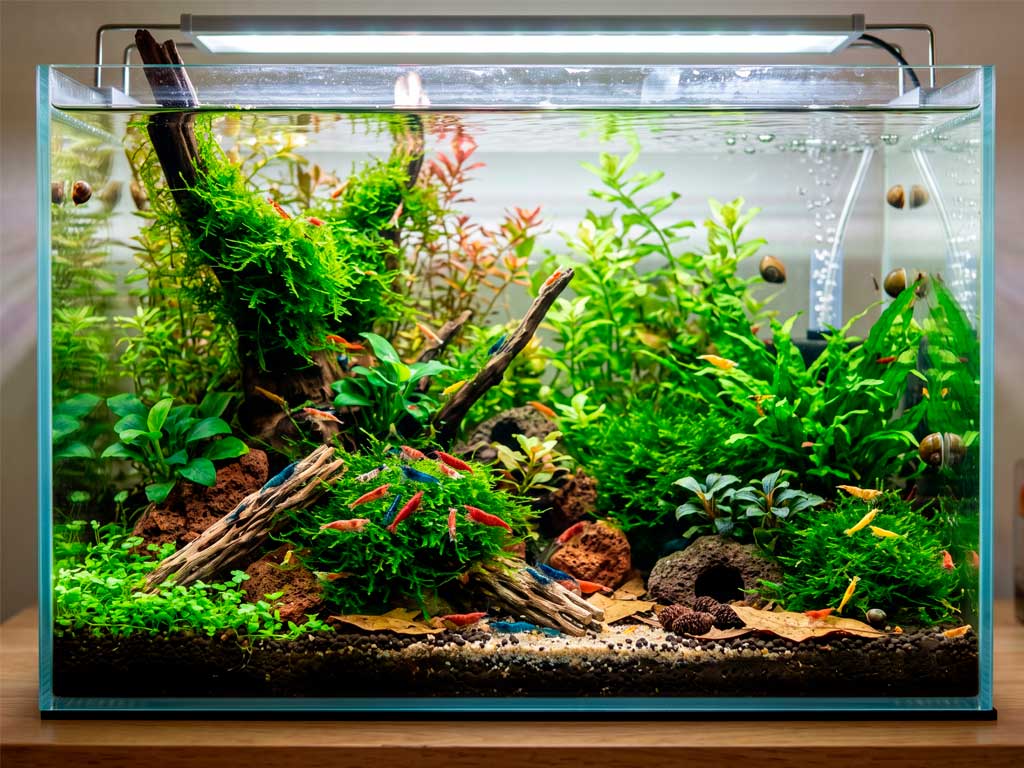
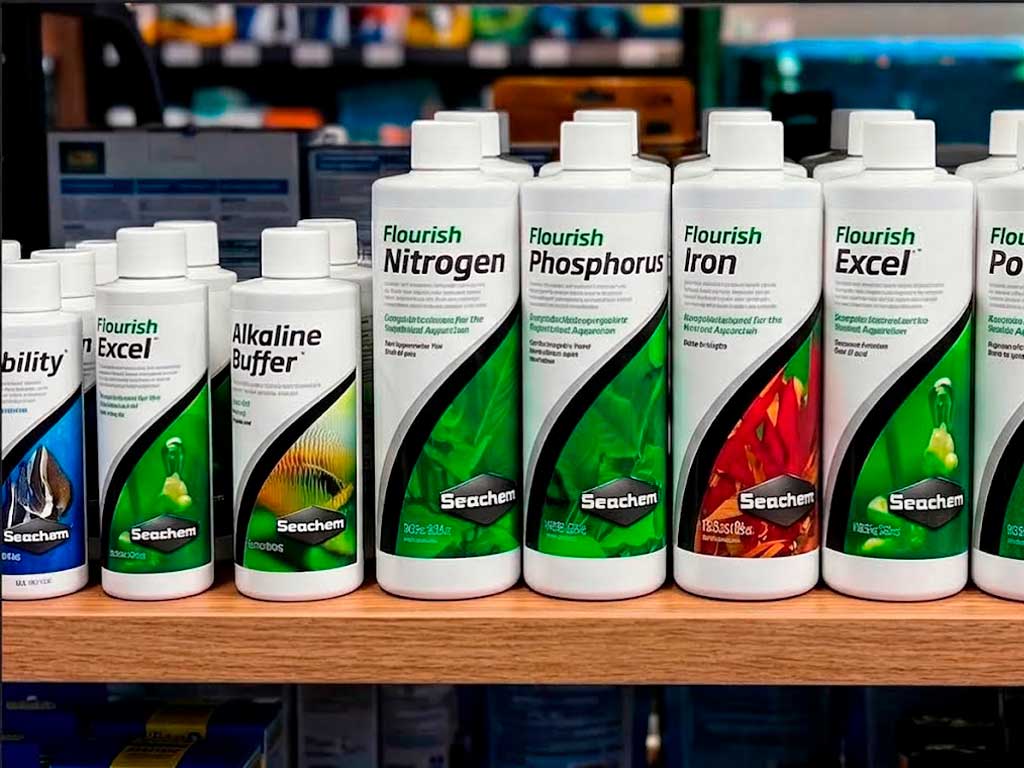
The full system is built for high-light, fast-growing planted tanks that burn through nutrients quickly. It adds Trace, Iron, Phosphorus, Nitrogen, and Advance on top of the base Flourish and Excel, dosed across a full weekly rotation.
FROM AMAZON.COM
Seachem Excel
A bioavailable carbon source for planted tanks, useful for aquarists who want the growth benefit of CO2 without running a pressurized injection system.
Buy on Amazon.comHappy Pet Zone may earn a commission when you click through to Amazon.com, at no extra cost to you. As an Amazon Associate, we earn from qualifying purchases.
The low-maintenance version strips that down to four products: Flourish, Excel, Potassium, and Iron. It’s built for low-tech tanks with slower-growing plants that don’t need the extra inputs, and it’s the version most beginners should actually start with.
Frequently Asked Questions
The Full Flourish Dosing Schedule
This is the complete seven-product rotation, built for high-tech planted tanks running strong light and steady growth.
Day 1: Flourish, 1 cap per 60 US gallons. Flourish Excel, 1 cap per 10 US gallons. Flourish Phosphorus, 1/2 cap per 20 US gallons. Flourish Nitrogen, 1/2 cap per 40 US gallons.
Day 2: Flourish Trace, 1 cap per 20 US gallons. Flourish Excel, 1 cap per 50 US gallons. Flourish Iron, 1 cap per 50 US gallons. Flourish Advance, 1 capful per 20 US gallons (daily for the first ten days, then every other day).
Day 3: Flourish Potassium, 1 cap per 30 US gallons. Flourish Excel, 1 cap per 50 US gallons. Flourish Iron, 1 cap per 50 US gallons.
Day 4: Flourish Trace, 1 cap per 20 US gallons. Flourish Excel, 1 cap per 50 US gallons. Flourish Phosphorus, 1/2 cap per 20 US gallons. Flourish Nitrogen, 1/2 cap per 40 US gallons. Flourish Advance, per the Day 2 schedule.
Day 5: Flourish Potassium, 1 cap per 30 US gallons. Flourish Excel, 1 cap per 50 US gallons. Flourish Iron, 1 cap per 50 US gallons. Flourish, 1 cap per 60 US gallons.
Day 6: Flourish Excel, 1 cap per 50 US gallons. Flourish Iron, 1 cap per 50 US gallons. Flourish Advance, per the Day 2 schedule.
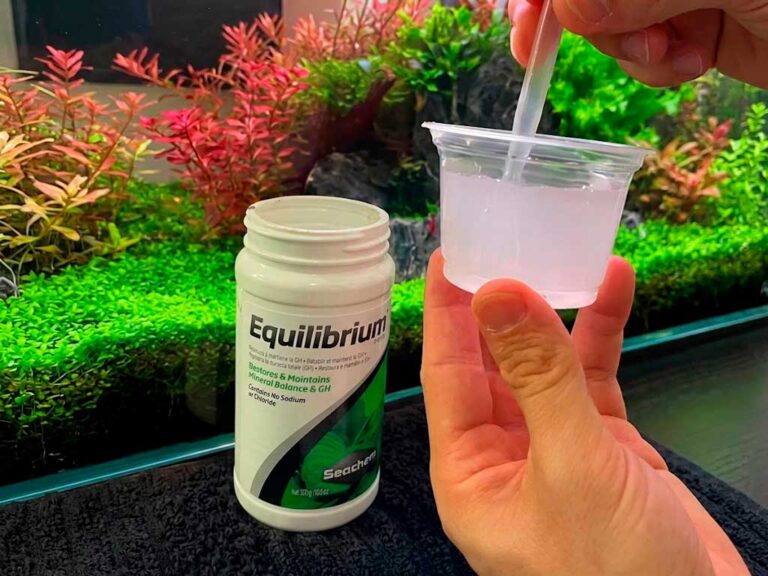
Day 7: Prime, 1 mL per 10 US gallons to dechlorinate during your water change. Alkaline Buffer and Acid Buffer as needed to hit your target pH and KH. Equilibrium as needed to hit your target GH.
The Low-Maintenance Flourish Dosing Schedule
This version covers most low-tech planted tanks with a fraction of the bottles and none of the daily dosing.
Day 1: Flourish, 1 cap per 60 US gallons. Flourish Excel, 1 cap per 10 US gallons.
Day 2: Flourish Potassium, 1 cap per 30 US gallons. Flourish Excel, 1 cap per 50 US gallons. Flourish Iron, 1 cap per 50 US gallons.
Day 3: Flourish Excel, 1 cap per 50 US gallons.
Day 4: Flourish, 1 cap per 60 US gallons. Flourish Excel, 1 cap per 50 US gallons.
Day 5: Flourish Potassium, 1 cap per 30 US gallons. Flourish Excel, 1 cap per 50 US gallons. Flourish Iron, 1 cap per 50 US gallons.
Day 6: Flourish Excel, 1 cap per 50 US gallons. Flourish Iron, 1 cap per 50 US gallons.
Day 7: Prime, 1 mL per 10 US gallons to dechlorinate during your water change. Flourish Potassium, 1 cap per 30 US gallons.
Dosing Smaller Tanks: The Exact Math
Both schedules above are written for the standard 60-gallon base dose, and scaling down by eye gets inaccurate fast in smaller tanks. Seachem’s own reference numbers make it easier: a 10-gallon tank takes roughly 0.85 mL of Flourish, and a 1-gallon tank takes about 0.1 mL, or roughly one and a half drops.
For anything under 20 gallons, a dosing syringe is worth buying. Counting cap threads works in a pinch since each one holds close to 1 mL, but a syringe removes the guesswork entirely and keeps your dosing consistent week to week.
A Practical Note on Flourish’s Nitrogen Content
Flourish runs low in nitrogen by design, closer to 0.07% of the formula. That’s fine for tanks with a moderate fish load, since fish waste already supplies nitrogen, but it means Flourish alone won’t move nitrate readings much either way.
If your plants show nitrogen-deficiency symptoms even while dosing consistently, the fix is adding Flourish Nitrogen on top of this schedule, not doubling up on base Flourish. We cover exactly what those deficiency symptoms look like, plant by plant, in the nutrient deficiency article in this cluster.
Building Your Own Routine
Here’s what actually matters if you’re picking between the two: start with the low-maintenance schedule unless you’re already running strong light and fast growth that demands more.
You can always add Trace, Phosphorus, and Nitrogen later if deficiency symptoms show up, rather than committing to the full rotation from day one.
Either way, consistency beats complexity. A simple four-product routine dosed every week outperforms a seven-product schedule that gets skipped half the time.
This guide covers general plant fertilization reference. Water parameters vary by tank, so adjust doses gradually and watch for algae response before increasing any single nutrient.