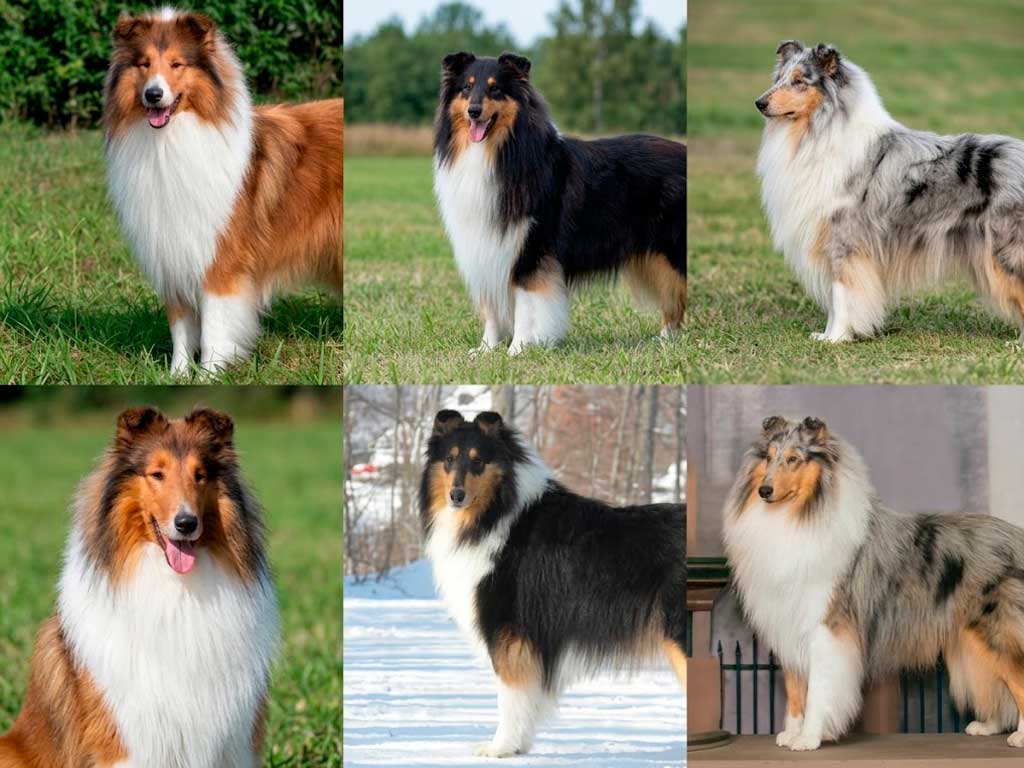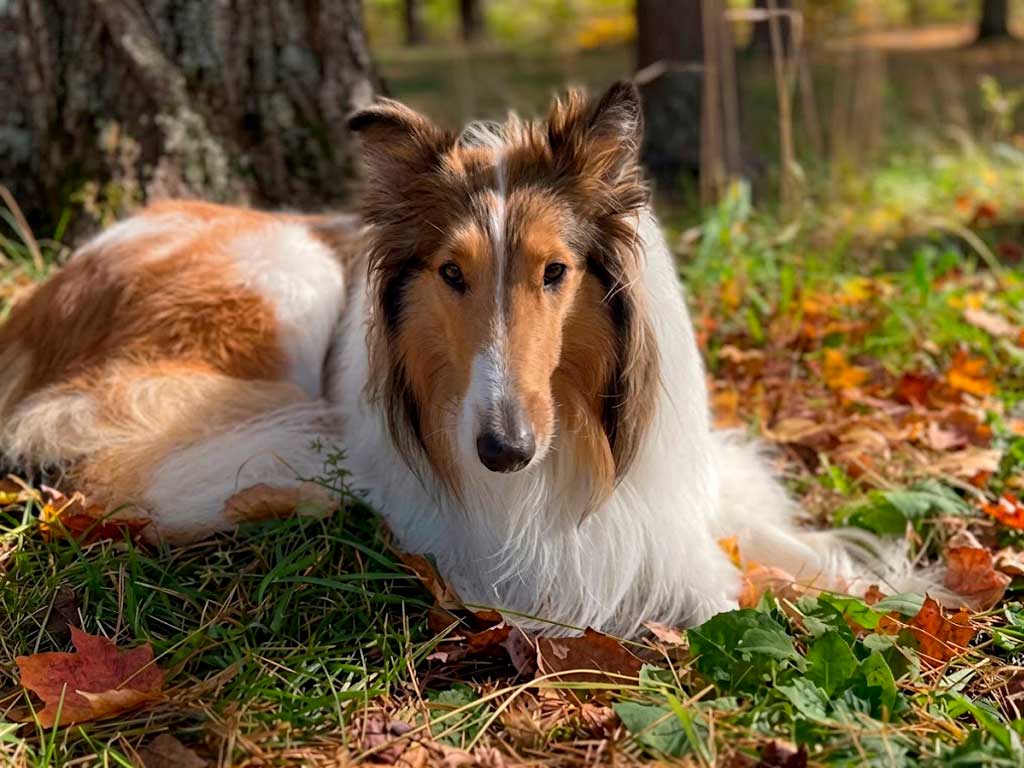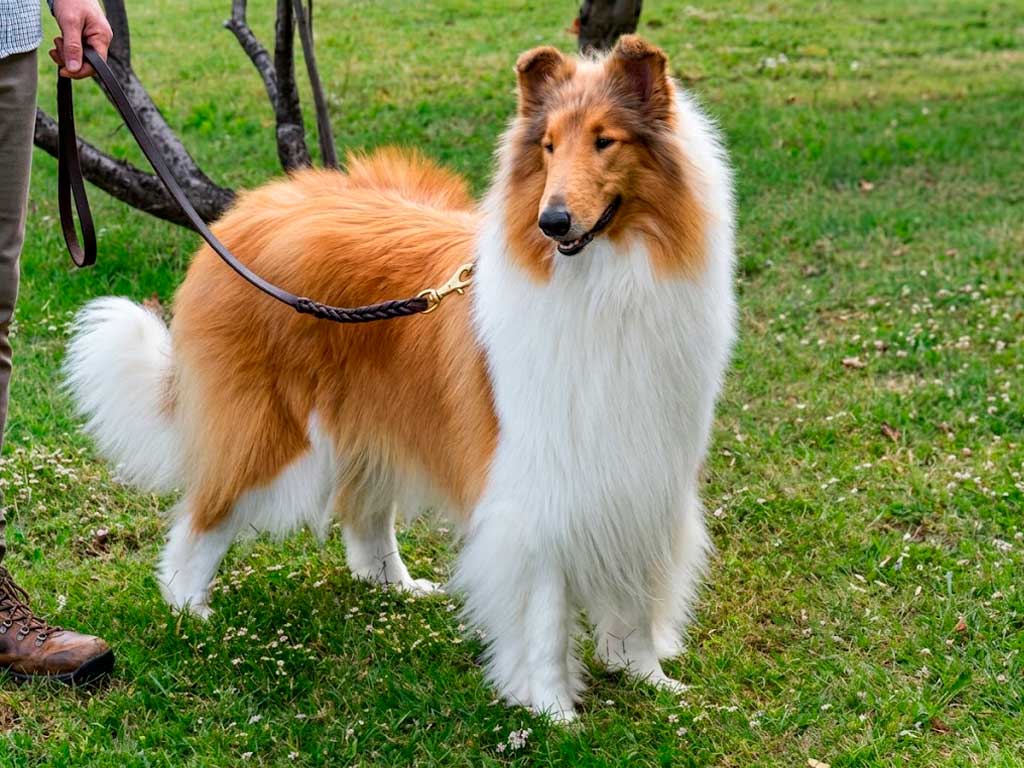


I promised you a real grooming breakdown back in the full Saint Bernard breed guide, and this is a genuinely big commitment on a genuinely big dog.
Both coat types shed heavily, so let’s get into what actually works.
Rough Coat vs. Smooth Coat: What’s the Difference?
The rough coat is medium-length, slightly wavy, with a fuller mane-like ruff around the neck and feathering on the thighs and tail. The smooth coat is shorter, denser, and lies flat against the body.
Here’s the thing — both coats have a dense undercoat underneath, and both shed heavily. The smooth coat is genuinely easier to manage day to day, but don’t mistake “easier” for “low-maintenance.” Neither coat type on this breed qualifies as low-maintenance.
Your Weekly Grooming Routine
Trust me on this one: the two coat types genuinely need different schedules.
- Rough coat — brush at minimum 2 to 3 times a week, working an undercoat rake through first, then a slicker brush, then a metal comb to confirm you’ve reached the skin
- Smooth coat — a thorough weekly brush with a rubber curry brush or slicker is usually enough during normal periods
- Both coats — pay extra attention to the ruff, behind the ears, the thighs, and the tail, where mats and tangles form first
- Both coats — part the fur as you go rather than just brushing the surface, so you’re actually reaching the undercoat
Give it time and this becomes routine fast. The dog genuinely starts to enjoy it once brushing stops meaning “working through a mat.”
During Coat Blow: When Weekly Isn’t Enough
Both coat types blow heavily twice a year, typically spring and fall. During this period, daily brushing becomes the standard, not the exception, for both rough and smooth coats.
A shedding blade or deshedding tool earns its keep here specifically. Some owners set aside a dedicated 15 to 20 minutes each evening through the worst of the blow, and that consistency genuinely prevents the coat situation from spiraling.
The Right Tools
- Slicker brush — for both coat types, especially useful on the rough coat’s longer fur
- Undercoat rake — essential for both coats during shedding season, less necessary the rest of the year
- Metal comb — confirms you’ve actually reached the skin, not just skimmed the surface
- Rubber curry brush — particularly effective for the smooth coat’s shorter fur
- Detangling spray — makes working through stubborn mats far easier without pulling
Bathing
Every 6 to 8 weeks is typically plenty for a dog that isn’t visibly dirty, and this applies to both coat types. Over-bathing strips the natural, weather-resistant oils this breed’s coat depends on.
Given the size involved, bathing usually means an outdoor hose-down in warm weather or a walk-in shower setup indoors. Always brush thoroughly before a bath, never after — wet fur tightens existing tangles into mats that become genuinely difficult to remove once dry.
Ears, Nails, and the Rest
Those large, floppy ears trap moisture easily, so a weekly wipe with a vet-approved ear cleaner genuinely helps prevent infections. Nails need trimming roughly every 3 to 4 weeks — if you hear clicking on hard floors, that’s your cue.
When to Call a Professional
For the rough coat specifically, 2 to 4 professional grooming sessions a year makes a real difference, especially timed around shedding season for a proper deshedding treatment. Smooth coats are generally manageable at home, with occasional professional baths mostly for convenience given the dog’s size.
A professional groomer also gives you a second set of trained eyes checking the skin underneath all that coat, which matters more on a giant breed where a developing hot spot or irritation can hide easily.
Frequently Asked Questions (FAQs)
Which Saint Bernard coat is easier to groom?
The smooth coat is generally easier, needing less frequent brushing and less mat prevention than the rough coat. Both still shed heavily and need regular undercoat management.
How often should I bathe my Saint Bernard?
Every 6 to 8 weeks is typically enough for both coat types, unless the dog gets unusually dirty. Overbathing strips natural oils the coat needs.
Do Saint Bernards need professional grooming?
Not strictly for smooth coats with a consistent home routine, but rough coats genuinely benefit from a few professional sessions a year, especially around shedding season.
Why does my Saint Bernard shed so much?
Both coat types carry a dense double coat built for cold-weather insulation, which sheds heavily year-round and even more during twice-yearly seasonal coat blows.
Stay ahead of the brush and either coat type is genuinely manageable. Fall behind on a rough coat especially, and you’ll spend a weekend fighting mats that consistent short sessions would have prevented entirely.
Subscribe To Our Newsletter
Get new care guides and pet tips delivered straight to your inbox — dogs, cats, fish, birds, small pets, and reptiles, all in one place.