Homemade Raw Dog Food: How to Make BARF at Home
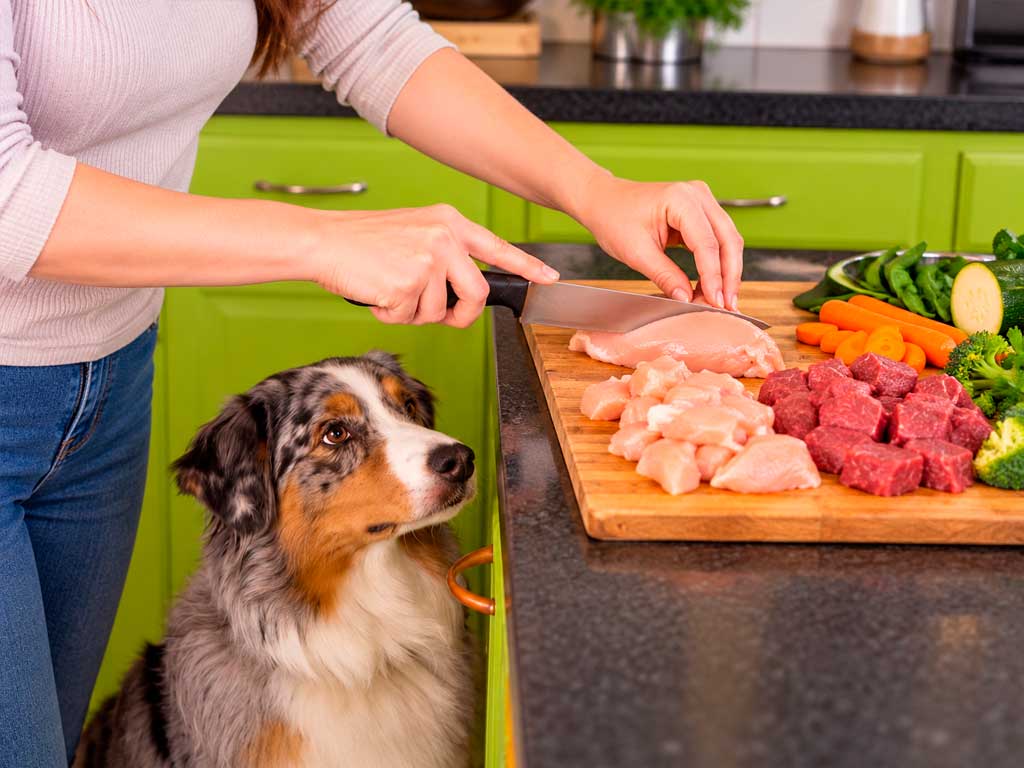
Homemade raw dog food isn’t complicated once you’ve done it a few times. It’s just unfamiliar the first time, and that’s what scares most people off.
I’ll walk you through what you actually need, the exact steps for building a batch, and the mistakes that trip up almost everyone starting out.
Set aside an afternoon for your first batch. After that, it gets fast.
What You’ll Need
A kitchen scale matters more than any fancy equipment. Eyeballing ratios is where homemade batches go wrong first.
Beyond that, you’ll want food-safe containers or freezer bags for portioning, a dedicated cutting board and utensils that never touch human food, and freezer space, more of it than you probably expect. A meat grinder helps if you’re working with bone-in cuts, though it’s optional if your butcher grinds for you.
The Ingredient Shopping List
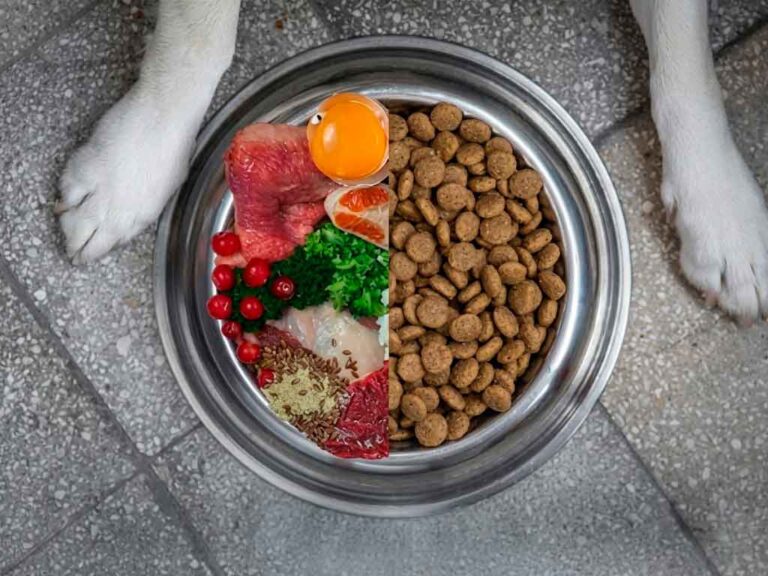
Building a batch around the 80/10/10 or 70/10/10/10 ratio means shopping in categories, not just grabbing whatever’s on sale.
- Muscle meat (roughly 70-80% of the batch): chicken thighs, beef chuck, turkey, or a mix. Variety across batches matters more than variety within one batch.
- Raw meaty bone (roughly 10%): chicken necks, backs, or wings work well for smaller dogs. Larger dogs handle bigger bone-in pieces, though always sized to avoid gulping whole.
- Organ meat (roughly 10%): liver first, since it’s the easiest to source, plus kidney or spleen for the “other secreting organ” portion. Organ should stay close to that 10% across the week, not necessarily every single meal.
- Produce, if you’re following classic BARF rather than Prey Model: leafy greens, carrots, and a small amount of fruit, lightly pureed since dogs can’t break down whole plant cells the way we can.
Many people find a local butcher easier than a grocery store for this. Buying trim, bone-in cuts, and organ meat from a butcher usually costs less than retail, and some will special-order organ meat you can’t always find pre-packaged.
Step-by-Step: Building a Batch
Weigh your total daily amount using the Raw Feeding Chart, then multiply by however many days you’re batching for. Most people start with a week’s worth.
- Weigh out muscle meat, bone, and organ separately according to your target ratio.
- Grind or finely chop the bone-in portions if your dog can’t safely chew whole pieces.
- Mix in produce if you’re following the classic BARF ratio, pureed or finely processed.
- Combine everything in a large bowl and mix thoroughly so each portion gets a fair share of bone and organ, not just muscle meat.
- Portion into daily or meal-size containers, labeled with the date.
- Freeze what you won’t use within 2 to 3 days, and thaw in the refrigerator, never on the counter.
Batch Prep and Storage
Frozen homemade raw dog food holds for about 2 to 3 months in a standard freezer without meaningful quality loss. Longer than that, and texture and some nutrient content start to degrade.
Thaw portions in the fridge over 24 to 48 hours rather than at room temperature. Once thawed, use it within 2 days, and never refreeze a portion that’s already been thawed.
Label everything with the date it was made. It sounds excessive until you’re staring at three unlabeled bags six weeks from now, guessing.
Common Homemade Mistakes
Skipping organ meat is the most common one. It’s the least appealing ingredient to handle, so people quietly leave it out, and the ratio suffers for it.
Sticking to one protein source is another. Rotating between chicken, beef, and turkey across batches gives broader nutrient coverage than any single protein alone.
Cross-contamination during prep trips people up too. Raw poultry and raw beef shouldn’t share a cutting board without a proper wash in between, the same rule that applies in a human kitchen.
And skipping the scale. Volume-based guessing is where the ratio drifts furthest from what you intended.
Cost of Making It Yourself vs Premade
Making it yourself usually costs less than premade raw brands, sometimes significantly less if you’re buying from a butcher in bulk. The tradeoff is time: batch prep, cleanup, and freezer management add up.
I cover the full monthly cost breakdown, homemade versus premade, in a separate guide.
Should You Make It Yourself or Buy Premade?
If you’ve got the freezer space and don’t mind an afternoon of prep every couple of weeks, homemade usually wins on cost and ingredient control. If time is tighter than budget, premade raw brands remove the labor at a price.
Neither choice is wrong. Plenty of people do a mix, homemade most weeks with premade as a backup for busy stretches.
Frequently Asked Questions (FAQ)
Start With One Week’s Batch
Don’t try to batch a month of food on your first attempt. Make one week’s worth, see how the process feels, and adjust from there.
Once you’ve got the ratio down, the complete BARF diet guide covers everything else that goes into a well-balanced bowl.