Rough Collie Colors: Sable, Blue Merle, Tri, and More
I mentioned this back in the full Rough Collie breed guide, and it’s worth its own deep dive.
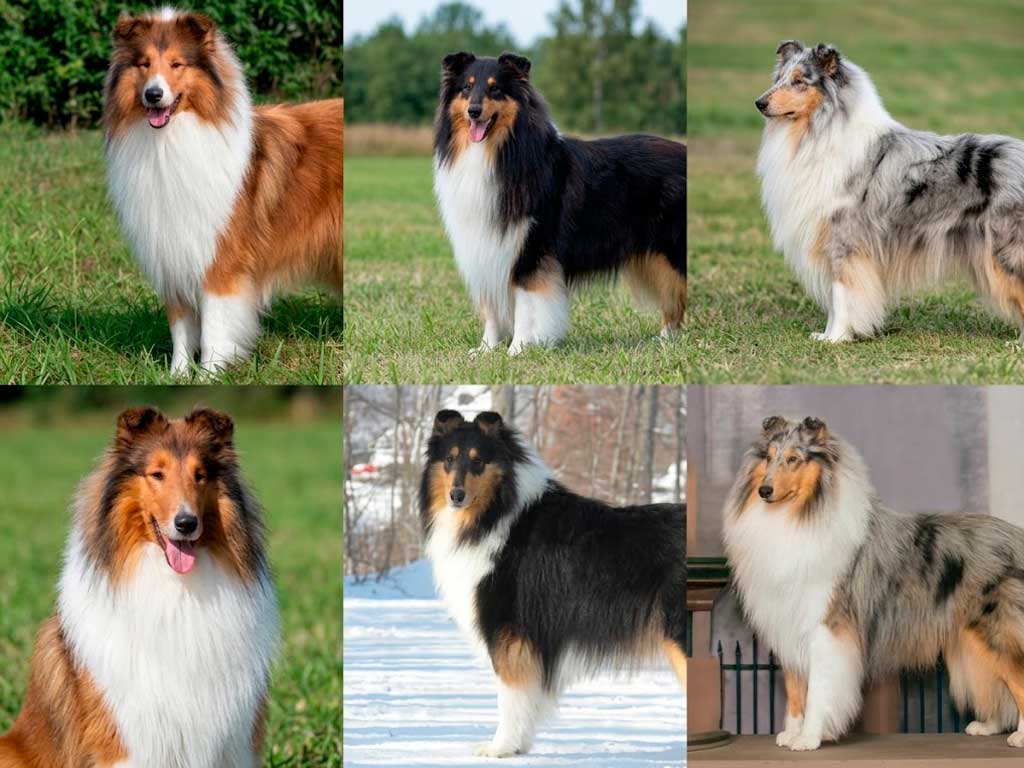
Four coat colors are officially recognized in this breed, and one of them comes with genetics you genuinely need to understand before falling for the look.
Sable and White: The Classic Look
This is the color most people picture when they think “Collie” at all, largely thanks to Lassie. Sable ranges from a light golden tan all the way to a rich mahogany red, always paired with white markings on the chest, collar, legs, and tail tip.
Here’s the thing sable puppies can actually darken or lighten noticeably as they mature, so the shade you see at eight weeks isn’t always the final answer. Give it time and the adult coat usually settles in by around two years old.
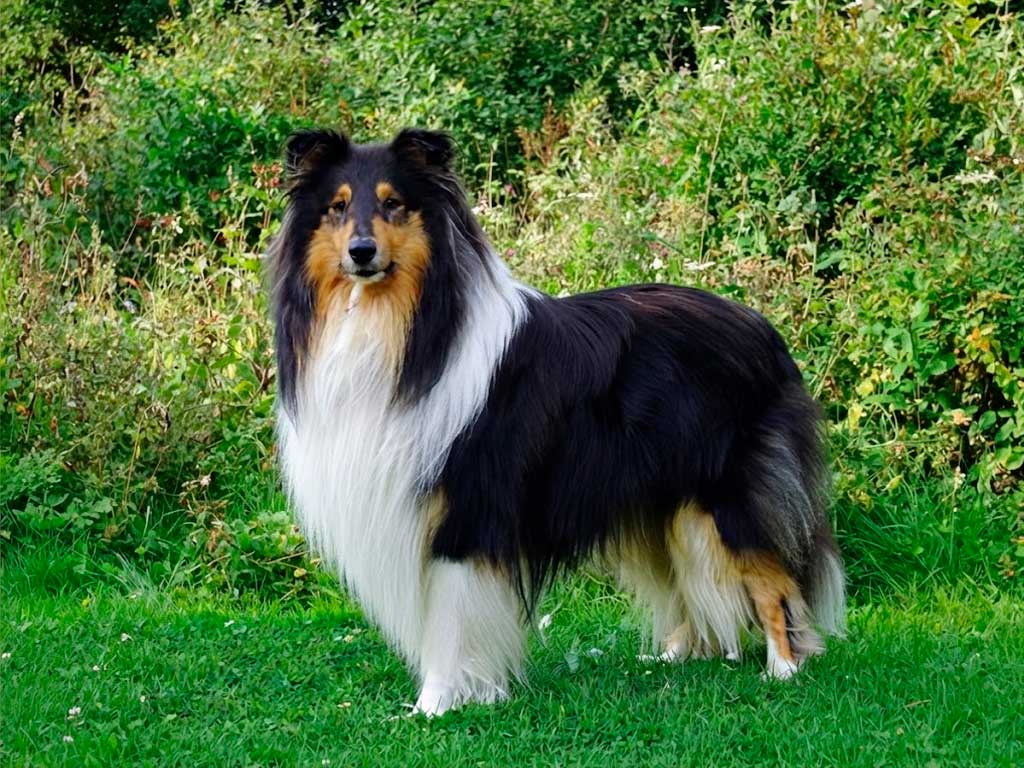
Collie Tricolor
Tricolor Collies are predominantly black, with the same white markings as sables plus rich tan accents over the eyes, on the cheeks, and around the legs. It’s a striking, high-contrast look that reads as slightly more formal than sable.
This color is genuinely common and widely available, so finding a tricolor puppy is rarely difficult compared to some of the rarer patterns below.
Collie Blue Merle: The Showstopper
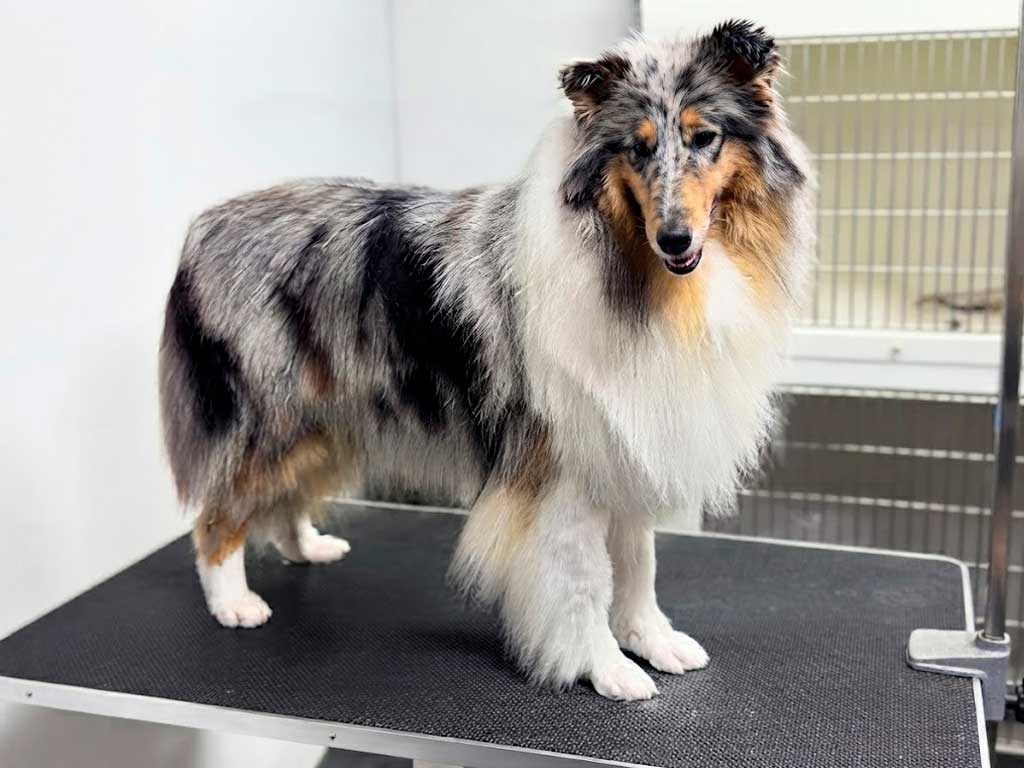
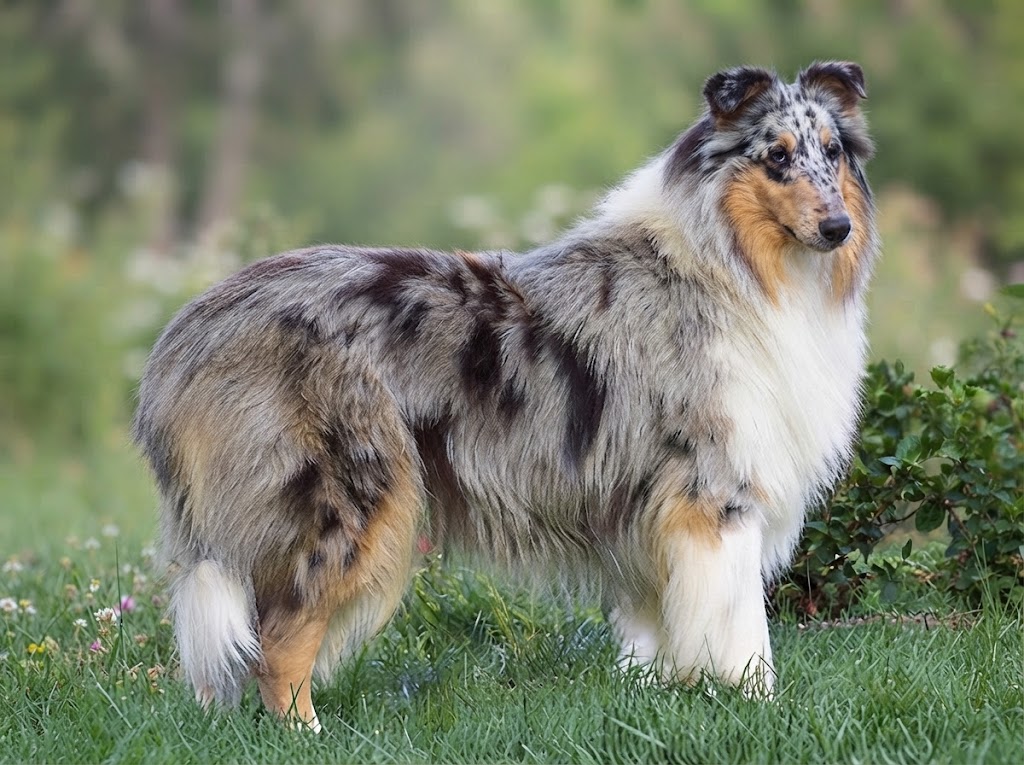
Blue merle is the pattern that stops people on the sidewalk. It’s a marbled mix of black and gray patches over a lighter background, often paired with striking blue or partially blue eyes.
Trust me on this one: that unique look comes from real genetics, not just luck, and understanding those genetics matters more than the price tag attached to the puppy. I’ll get into exactly why in the next section.
White Collies: Rare and Sometimes Controversial
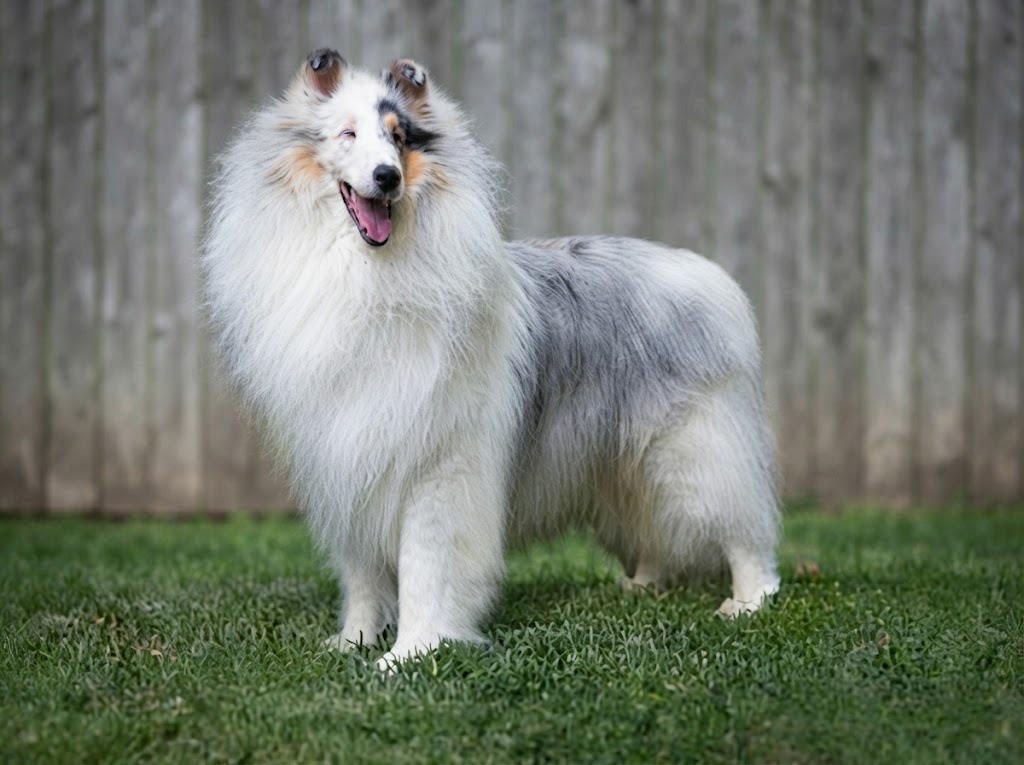
White Collies are predominantly white with sable, tricolor, or blue merle markings limited mostly to the head. This color is genuinely rare and, depending on the breed club, occasionally faces more scrutiny in the show ring than the other three.
The Genetics Behind Merle
A single copy of the merle gene produces the normal blue merle coloring, and dogs with just one copy are generally just as healthy as any other Rough Collie. The problem starts when two merle-gene carriers get bred together.
A puppy that inherits two copies of the merle gene called a double merle or double dilute typically ends up mostly white, with little to no pigment around the eyes and ears. That lack of pigment is directly linked to a genuinely high risk of deafness, vision problems, or both.
Here’s the thing this isn’t rare or theoretical. It’s a well-documented genetic outcome, which is exactly why responsible breeders never pair two merle dogs together, full stop. A single merle bred to a solid sable or tricolor produces healthy puppies with normal odds of merle or solid coloring, no double-dilute risk involved.
Does Coat Color Affect Temperament or Health?
Outside of the double merle risk above, no. Sable, tricolor, and single-copy blue merle Rough Collies share the same general temperament and health profile as a breed. Color is genuinely a cosmetic choice once you’ve ruled out the merle-to-merle scenario.
Choosing a Color Responsibly
- Ask directly whether either parent carries the merle gene, even if neither looks like a merle
- Never buy a puppy from a merle-to-merle litter, regardless of how healthy individual puppies appear
- Expect to pay a premium for blue merle that’s normal, not automatically a red flag on its own
- Remember that sable and tricolor puppies make equally wonderful companions, just without the rarity markup
If price is a factor either way, I’ve broken down realistic numbers by color and quality in a dedicated cost guide. And whatever color you choose, that famous coat needs the same grooming routine to stay healthy and mat-free.
Frequently Asked Questions (FAQs)
Whatever color catches your eye, ask the health questions first. A puppy from a merle-to-merle litter isn’t worth the risk, no matter how striking that coat looks in photos.