How to Spark a Picky Dog’s Appetite: 6 Simple Steps to Get Your Dog Eating Again
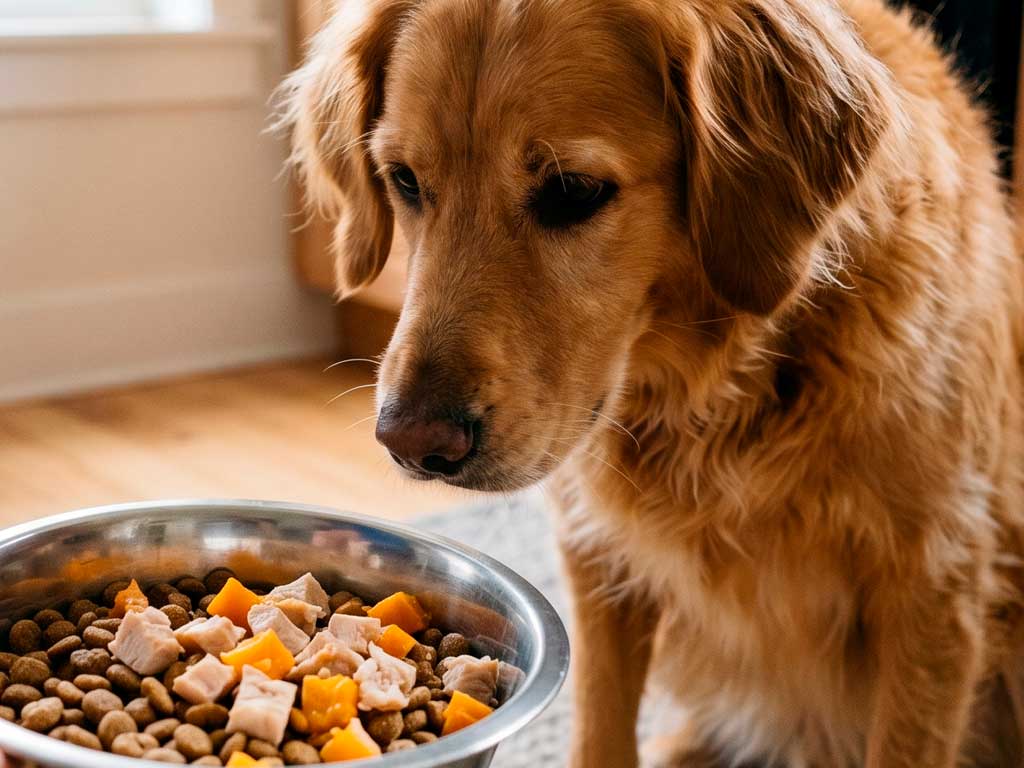
It is one of the most frustrating experiences a pet parent can face: you pour a fresh bowl of premium food, place it down with love, and your dog simply looks at it, turns their nose up, and walks away.
Before we dive into the solutions, we must establish a vital rule: we are focusing strictly on otherwise healthy dogs.
If your dog is suddenly refusing food and showing signs of lethargy, fever, vomiting, or general discomfort, please skip this guide and consult your veterinarian immediately. A sudden loss of appetite is often the first symptom of an underlying medical issue that requires professional treatment.
However, if your furry friend is happy, energetic, and perfectly healthy, but they have simply become bored with their routine or too picky for their own good, you are in the right place.
You do not necessarily need to rush out and buy an expensive new brand of food if you haven’t already, our complete guide to dog diets is worth a look before making any switch. Instead, you can use these six simple, highly effective steps to naturally stimulate your dog’s appetite. You can even combine all of these strategies simultaneously for the best results.
1. Intensify Flavors and Aromas
Unlike humans, who take their time chewing and tasting, canines do not truly experience food through long-lasting gustatory appreciation. A dog’s eating experience is almost entirely driven by their sense of smell.
Before a single piece of kibble touches their tongue, they have already decided how appetizing it is based on the aroma it projects.
To break the boredom of standard dry food, you need to change its scent profile. You can do this by using a few easy kitchen hacks:
- Apply Gentle Heat: Place your dog’s dry kibble or home-cooked meal in the microwave for 5 to 10 seconds. This slight increase in temperature causes the fats within the food to release a much stronger, highly potent aroma that immediately triggers a canine’s curiosity from across the room.
- Brew a Safe Broth: Rehydrate dry food by adding a splash of warm, homemade broth. Warning: The broth must be made completely without onion, garlic, or added salt. Garlic and onions are highly toxic to dogs, and excess salt can severely damage their kidneys.
- Introduce Dog-Safe Herbs: Mix a tiny pinch of natural herbs directly into the meal. Spices and herbs like turmeric, parsley, or mint are completely safe for canines and create an entirely fresh scent profile that makes old food feel brand new.
2. Elevate the Meal with Healthy “Toppers”
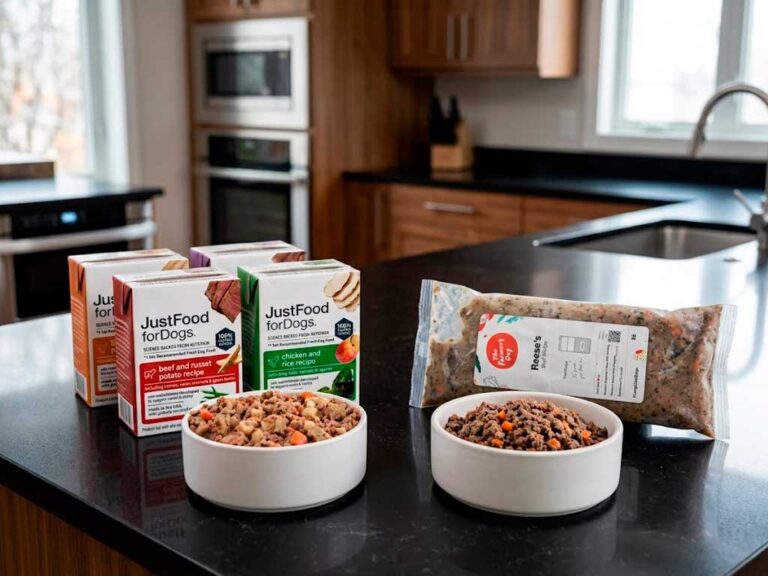
If dry kibble has become too monotonous, introducing healthy, texturally interesting mix-ins known as food toppers can drastically change your dog’s perspective on dinner.
You do not need to overcomplicate this or take on a massive financial burden. A single tablespoon of the right ingredient can completely transform the color, texture, and smell of the bowl our list of superfoods for dogs is a good place to start if you want more topper ideas.
FROM JUSTFOODFORDOGS
Fresh, Human-Grade Dog Food
Vet-formulated recipes made with real, whole ingredients — delivered frozen straight to your door.
Get 50% Off My First OrderHappy Pet Zone may earn a commission when you click through to JustFoodForDogs, at no extra cost to you.
⚠️ Safe and Budget-Friendly Toppers to Try:
- Yogurt or Kefir: A single teaspoon of unsweetened, plain yogurt or kefir adds a creamy texture and beneficial probiotics.
- Salmon Oil: A quick squirt of high-quality salmon oil from your local pet supply shop adds a powerful scent and healthy omega fatty acids.
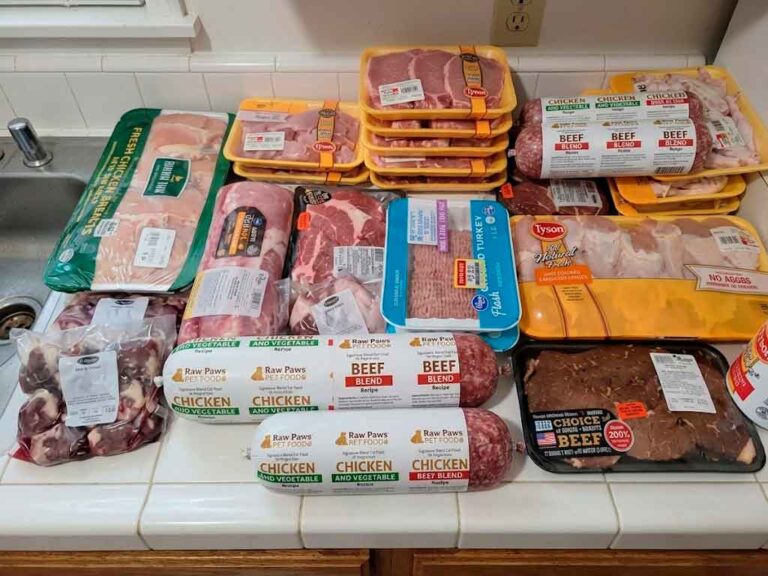
- Fresh Proteins: Chop a tiny piece of unseasoned, boiled chicken breast or fresh fish straight from your kitchen counter (again, cooked entirely without salt, onions, or garlic).
- Cooked Vegetables: A small cube of boiled pumpkin, a piece of carrot, or a bite of potato adds sweetness and variety without causing digestive upset.
3. Implement a Pre-Meal Exercise Routine
Sometimes, a lack of appetite is simply a lack of energy expenditure. A sedentary dog who rests on the couch all morning simply isn’t burning enough calories to feel genuinely hungry by lunchtime.
Get into the habit of taking your dog for a structured 15 to 30-minute walk right before mealtime. The goal here isn’t to leave your dog completely exhausted or depleted, but rather to tire them out just enough to kickstart their metabolic needs.
Physical exertion paired with the mental stimulation of sniffing the neighborhood naturally builds a healthy hunger response.
4. Master the “20-Minute Rule” (Stop Free-Feeding)
One of the most common mistakes pet owners make is leaving a food bowl sitting out on the floor all morning or all day. When food is constantly accessible, it loses its value.
Your dog becomes a “spoiled selector,” knowing they can ignore the bowl now and graze on it whenever they feel like it hours later.
To fix this, you must become strict with your scheduling:
- Set the food bowl down at the exact same designated time every day.
- Leave the bowl on the floor for 15 to 20 minutes maximum.
- If your dog has not eaten the food within that window, pick the bowl up and hide it away until the next scheduled mealtime.
Your dog will quickly learn that food is a scarce resource tied to a specific window of opportunity. Missing a single meal will not harm a healthy adult dog, but it will teach them a valuable lesson about respecting mealtime boundaries.
5. Eliminate Table Scraps and Grazing
Dogs are incredibly intelligent opportunists. If your canine companion knows that turning their nose up at their kibble results in you sharing a piece of your steak, chicken, or cheese from the dinner table later, they will happily choose to starve themselves to wait for the premium human rewards.
Stop all mid-day snacking and table-side begging. Allowing your dog to pick at human food is not only dangerous for their long-term pancreatitis and obesity risks, but it completely destroys their motivation to eat balanced dog food and store-bought treats can carry their own hidden risks too, as we cover in our guide to dangerous dog treats.
As a golden rule for household hierarchy and behavioral conditioning, your dog should always eat their meal before you sit down to eat yours.
6. Switch Up the Bowls and Environment
Just like humans, dogs can experience environmental boredom. Furthermore, the type of dish you use can heavily impact how their food smells and tastes over time.
If you are using plastic bowls, porous surfaces can trap bacteria and stale oils over time, creating a confusing “mishmash” of unpleasant scents that repels a sensitive canine nose.
Switch your dog’s bowls to high-quality stainless steel, which is non-porous, easy to clean thoroughly, and preserves the true scent of the fresh food.
Additionally, try keeping two or three stainless steel dishes of different shapes and sizes on rotation, and move the feeding station to a quiet, calm area of the house away from household chaos, loud appliances, or foot traffic.
For visual and routine-sensitive dogs, a change in scenery and a shiny new presentation can be just the trick to spark their curiosity.
When to Look Deeper
By combining these six straightforward steps, the vast majority of pet parents see a dramatic turnaround in their dog’s eating habits within a few days. However, if you have strictly applied these rules removing the food after 20 minutes, cutting out all table scraps, and enriching the aromas and your dog still refuses to eat for more than 24 to 48 hours, it is time to dig deeper.
Take them to your trusted family veterinarian to rule out dental pain, minor digestive changes, or other subtle health issues.