Raw Dog Food Supplements: What Your Dog Actually Needs

Raw dog food supplements get oversold constantly, mostly by brands with a supplement to sell. Most dogs on a properly balanced BARF diet need far fewer add-ons than the marketing suggests.
That said, “properly balanced” is doing a lot of work in that sentence, and a few real gaps show up often enough to matter.
Here’s what actually deserves a spot in the bowl, and what’s just noise.
Do You Actually Need Supplements on a Balanced BARF Diet?
If you’re hitting the 70/10/10/10 or 80/10/10 ratio consistently, rotating protein sources, and including organ meat every week, most healthy adult dogs get the bulk of what they need from the food itself.
The gaps that show up aren’t dramatic. They’re small, chronic shortfalls that only matter over months, not something that shows up after one meal.
The Nutrients Most Homemade BARF Diets Actually Fall Short On
Omega-3 fatty acids. Most muscle meat runs heavier in omega-6 than omega-3, which skews the ratio unless you’re feeding fatty fish regularly. A fish oil supplement, dosed for body weight, is one of the few additions I’d call close to non-negotiable for a homemade diet.
Vitamin E. Ironically, adding fish oil increases the need for vitamin E, since polyunsaturated fats deplete it during metabolism. A small vitamin E supplement alongside fish oil closes that gap.
Iodine. If fish isn’t a regular part of the rotation, iodine can run low. A pinch of kelp powder covers it, though more isn’t better here. Iodine excess causes its own thyroid issues.
Trace minerals. Zinc, manganese, and copper show up in organ meat and certain cuts, but homemade diets with limited protein variety sometimes fall short. Rotating protein sources solves this more reliably than a supplement does.
What About Calcium?
If you’re feeding adequate raw meaty bone in the right ratio, you don’t need a separate calcium supplement, and adding one on top risks pushing the calcium-to-phosphorus ratio too high.
The exception is boneless or ground diets without bone content. Those genuinely need a calcium source added back in, usually a specific raw diet calcium powder, not a human supplement.
Green Tripe: A Natural Multivitamin
Green tripe, the unwashed stomach lining of grass-fed ruminants, comes closer to a calcium-to-phosphorus ratio near 1:1 naturally and carries digestive enzymes and probiotics that most other cuts don’t.
It’s not glamorous, and the smell is genuinely unpleasant. But it’s one of the more useful additions if you can find a source, and it does more nutritionally than most bottled supplements claim to.
The Danger of Over-Supplementing
More supplements isn’t automatically better, and vitamin A and D toxicity are real risks from stacking liver, fish oil, and synthetic supplements without tracking totals.
Liver alone covers most of a dog’s vitamin A needs. Add a multivitamin on top without accounting for that, and you can push into toxic territory faster than people expect.
Read labels, and don’t assume “natural” means “unlimited.”
When to Get Bloodwork Instead of Guessing
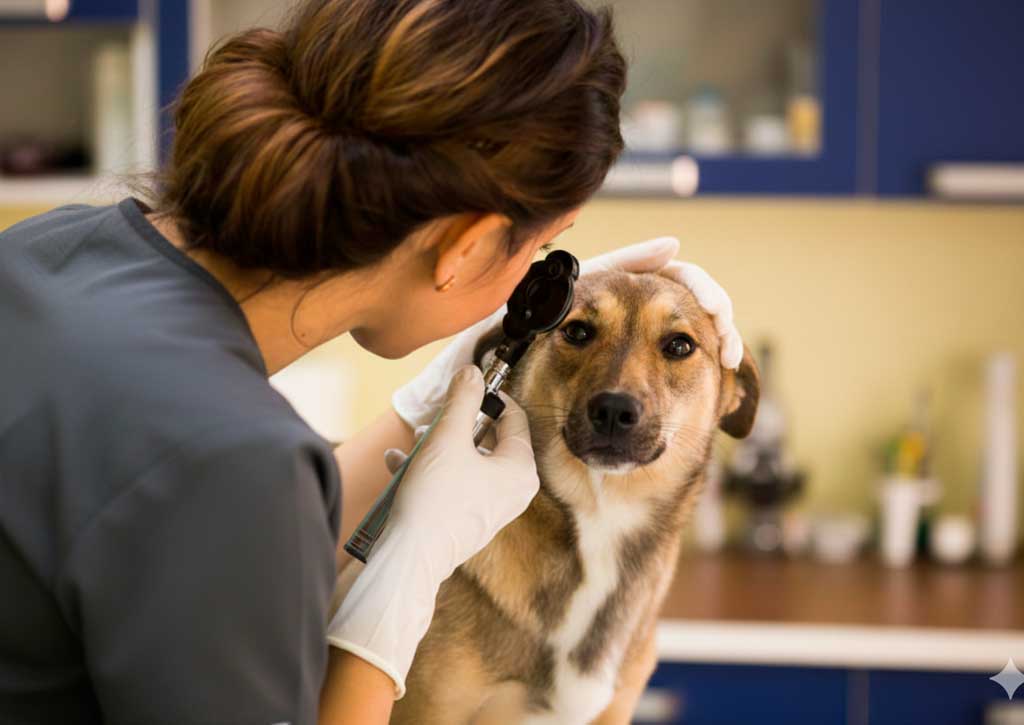
If you’ve been feeding a homemade BARF diet for more than six months, a basic bloodwork panel through your vet tells you more than any supplement guide can. It catches deficiencies and excesses before they show up as visible symptoms.
This matters more for long-term homemade feeding than for premade raw brands, which are usually formulated to meet complete-and-balanced standards already.
Signs Your Dog Might Actually Be Deficient
A dull, brittle coat, slow wound healing, or persistent low energy despite adequate calories can point to a nutritional gap, though they can also point to something unrelated to diet entirely.
Don’t self-diagnose and start stacking supplements based on one symptom. Talk to your vet first, ideally with bloodwork, before guessing your way to a fix.
Frequently Asked Questions (FAQ)
Keep It Simple First
Get the ratio and protein rotation right before reaching for a supplement shelf. Most of what a raw-fed dog needs comes from the food itself, not the add-ons.
If you’re still building out your feeding routine, the homemade raw dog food guide and the complete BARF diet guide cover the foundation this all builds on.