
Raw Dog Food vs Kibble: Which Is Better for Your Dog?
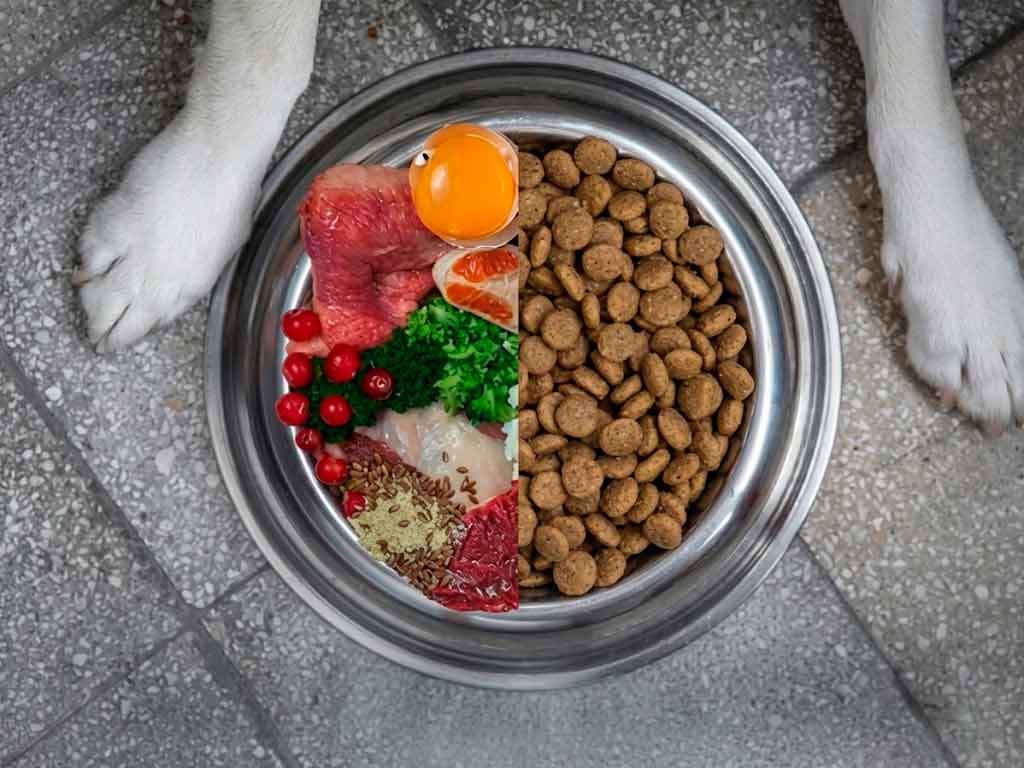
Raw dog food vs kibble isn’t really a fight with one winner. It’s a trade-off, and pretending otherwise does your dog a disservice.
I feed raw myself and I still recommend kibble to plenty of clients. The right answer depends on your dog, your schedule, and honestly, your freezer space.
Here’s an honest breakdown of where each one actually wins.
The Real Differences Between Raw Dog Food and Kibble
Kibble is cooked at high heat and extruded into shelf-stable pellets. That process kills pathogens, but it also degrades some heat-sensitive nutrients, which manufacturers then add back through synthetic supplementation.
Raw food skips that processing entirely. Nutrients stay closer to their natural state, and moisture content runs dramatically higher, often 65-75% water compared to kibble’s 10%.
Neither approach is inherently superior on paper. The differences show up in digestion, cost, and daily practicality instead.
What the Research Actually Shows
This isn’t just anecdotal. A 2021 digestibility trial published in Translational Animal Science fed adult dogs either an extruded kibble diet or a fresh chicken, beef, pork, or turkey diet with comparable macronutrients. The fresh diets produced significantly lower fecal output (about 24g per day versus 47g for kibble) and less frequent defecation, and came out ahead on apparent digestibility of protein, fat, and calories across the board.

START YOUR RAW FEEDING JOURNEY
Try Raw Paws for the First Time
New customers get a discount on their first order — the easiest way to see if raw feeding is right for your dog.
Claim Your First-Order DiscountHappy Pet Zone may earn a commission when you click through to Raw Paws, at no extra cost to you.
A follow-up study comparing extruded kibble against fresh, frozen raw, and freeze-dried raw diets found a similar pattern: the extruded diet consistently landed lowest on digestibility, while fresh, frozen, and freeze-dried options clustered together at the top. Interestingly, that same study found extruded and fresh diets produced looser stools than the frozen and freeze-dried raw options, so within the raw and fresh category itself, format matters more than the raw-vs-kibble headline suggests.
The honest takeaway: digestibility research favors raw and fresh diets fairly consistently, but it’s measuring one specific thing, not overall health outcomes. It’s a real point in raw feeding’s favor, not the whole argument.
Digestion and Stool Comparison
This is where raw feeding has the clearest evidence behind it. Digestibility studies consistently show raw diets producing smaller, firmer stools than kibble, because more of what goes in actually gets absorbed.
Kibble’s fiber content, useful for some dogs with sensitive digestion, means more bulk passes through undigested. That’s not necessarily bad. Some dogs genuinely do better with that extra fiber, particularly ones prone to loose stool on rich diets.
Cost Comparison at a Glance
Quality kibble runs anywhere from $1.50 to $4 a day for a medium dog. Raw feeding typically lands higher, often $3 to $6 a day depending on where you source meat and whether you buy premade or prep it yourself.
The gap narrows if you buy raw ingredients in bulk from a butcher rather than premade frozen raw brands, though autoship subscriptions on premade options often claw back some of that difference through recurring discounts. I break down the full monthly math, including regional variation, in a separate cost guide.
Convenience and Shelf Life
Kibble wins this one outright. It sits in a bag for months, travels easily, and takes zero prep time. If you board your dog often or travel a lot, that convenience matters more than people give it credit for.
Raw food needs freezer space, thawing time, and more hands-on prep every single day sourcing your own raw meaty bones and organ meat instead of buying premade adds even more of that daily commitment. It’s not hard once you build the habit, but it’s real, and kibble simply doesn’t ask for it.
Safety Considerations for Each
Raw meat carries Salmonella and E. coli risk, and that’s genuinely part of the calculation, not a footnote. Proper storage and hygiene manage it, but the risk doesn’t disappear.
Kibble isn’t risk-free either, though. Recalls happen regularly for Salmonella contamination, mycotoxins, and even vitamin D toxicity from manufacturing errors. Dry storage doesn’t mean zero risk, it just moves the risk somewhere else in the supply chain.
Both diets deserve the same baseline caution: check recall lists, buy from sources you trust, and don’t assume either option is automatically safe just because it looks that way on the shelf.
Can You Mix Raw and Kibble?
Some dogs handle a mixed diet fine. Others get loose stool from combining the two in a single meal, because raw and kibble digest at different speeds and mixing them can slow raw food’s transit time.
If you want to feed both, most vets suggest separating them into different meals rather than combining them in one bowl. Morning kibble, evening raw works better for most dogs than mixing everything together.
Which One Is Right for Your Dog?
Budget, time, and your dog’s individual digestion matter more here than any general ranking. A dog with sensitive digestion or allergies often does noticeably better on raw. A busy household that travels constantly often does better sticking with kibble.
There’s no shame in either choice, and there’s no shame in switching back if one isn’t working. Watch your dog’s coat, stool, and energy over a few weeks. That tells you more than any comparison article, including this one.
FROM RAW PAWS PET FOOD
Small-Batch, Farm-Traceable Raw Food
80/10/10 signature blends made with real, whole ingredients — shipped frozen straight to your door.
Shop Raw Paws Pet FoodHappy Pet Zone may earn a commission when you click through to Raw Paws, at no extra cost to you.
Make the Call That Fits Your Life
Pick based on your actual schedule and your dog’s actual digestion, not on which diet sounds more impressive at the dog park — our complete guide to dog diets covers the full picture beyond just raw vs. kibble if you want to dig deeper.
If raw feels right, the complete BARF diet guide walks you through getting started the right way.

![How to Prevent Fleas on Dogs Year-Round [2026 Guide]](https://happypetzone.com/wp-content/uploads/2026/06/How-to-Preven-Fleas-on-Dogs-Year-Round-Guide.jpg)