How to Support Your Dog’s Vision: A Guide to Natural Cataract Management
No natural remedy can dissolve a formed cataract. Surgery remains the only way to restore sight once the lens has clouded over. What research does support is a narrower claim: specific antioxidants can slow progression in immature cataracts, and metabolic control is the single most important factor in dogs with diabetes-related lens changes.
That distinction matters. It changes what you should realistically expect from diet and supplements, and it helps you have a more productive conversation with a veterinary ophthalmologist about your dog’s specific situation.
Health disclaimer: The information in this article is for educational purposes only. It does not replace veterinary diagnosis, treatment, or advice. Cataracts can lead to painful complications, including secondary glaucoma and lens-induced uveitis. Always consult a board-certified veterinary ophthalmologist before introducing any new supplement or herbal preparation, especially if your dog has diabetes, is on medication, or shows signs of pain or eye redness.
What Cataracts Actually Are (and Why the Lens Is Vulnerable)
A cataract is an opacity in the crystalline lens of the eye. The lens is made mostly of proteins and water arranged in an ordered structure to keep it transparent. When that structure breaks down, usually through oxidative stress, the proteins clump and scatter light instead of transmitting it, producing the characteristic cloudy or bluish appearance.
A veterinary ophthalmologist at the University of Cambridge, writing in the Journal of Veterinary Medicine, found that by age 11, essentially all dogs examined showed some evidence of lens opacity.
This does not mean all dogs go blind, but it does confirm that oxidative changes in the lens are a near-universal feature of canine aging. The lens has limited ability to repair itself, which is why the focus on managing this condition is on slowing damage rather than reversing it.
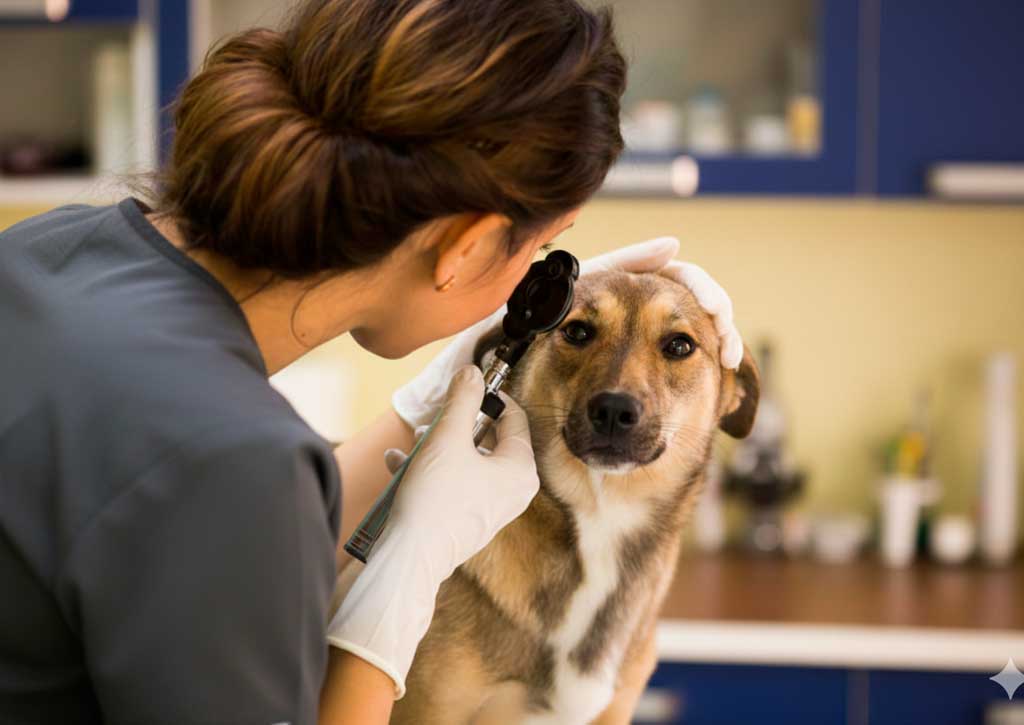
It is also worth knowing what a cataract is not. Many dogs develop lenticular sclerosis with age, a natural hardening of the lens that creates a blue-grey haze but rarely affects functional vision. A veterinary eye exam can tell these two conditions apart clearly.
Common early signs of cataracts:
- Slight cloudiness or a whitish opacity visible in one or both eyes
- Bumping into furniture or hesitating at the edges of stairs
- Reluctance to move in dim light or at night
- A “startled” reaction when approached from the side
If you notice any redness, squinting, eye rubbing, or a visibly enlarged eye, contact a veterinarian promptly. These can indicate secondary glaucoma or uveitis, both of which are painful and need treatment beyond nutritional support.
What Veterinary Research Says About Antioxidants
The strongest clinical evidence for nutritional support in canine cataracts comes from a 2022 retrospective study at Seoul National University’s College of Veterinary Medicine, published in the Journal of Veterinary Science. The researchers reviewed records of 172 dogs with senile cataracts treated between 2015 and 2020.
Dogs with immature cataracts that received oral antioxidant supplements showed significantly slower progression compared to untreated controls. Dogs with incipient (very early) cataracts did not show statistically significant slowing, suggesting the window where antioxidants are most useful may be once the cataract is visible but not yet mature.
The antioxidants studied included vitamin C, vitamin E, lutein, zeaxanthin, and curcuminoids. These findings do not establish that any single ingredient works in isolation; the supplements tested were multi-compound formulations.
Separate research published in the American Journal of Veterinary Research (Barden et al., 2008, Ohio State University) found that grape seed proanthocyanidin extract protected cultured canine lens epithelial cells from oxidative damage in laboratory conditions. This supports the theoretical basis for grape seed extract as a supplement, but the gap between cell-culture findings and clinical outcomes in live dogs is worth acknowledging.
For diabetic cataracts specifically, a study at the University of Cambridge (Williams, 2017) found that diabetic dogs given alpha-lipoic acid (ALA) developed significantly fewer lens opacities than control dogs. This is a small preliminary study (30 dogs), and ALA has a narrow safety margin in some species, so this is not a supplement to add without veterinary guidance.
Antioxidants and Eye-Supportive Nutrients: What to Know
The following nutrients appear in the veterinary literature on canine ocular health. The table below summarizes the evidence level, food sources, and key limits for each.
A note before this table: No supplement replaces surgery for a fully formed cataract. These nutrients are most relevant in early to mid-stage disease and as part of a broader approach that includes regular veterinary monitoring.
| Nutrient | Evidence basis | Practical food sources | Key caution |
|---|---|---|---|
| Vitamin C + E (combined) | Retrospective clinical study (Seoul National University, 2022) suggests slowing in immature cataracts | Bell peppers (C), sunflower seeds added to food (E), or formulated supplements | Vitamin E toxicity is possible at high doses; use formulated doses, not human supplements |
| Lutein + Zeaxanthin | Narrative review (Northern Arizona University, 2023) supports retinal function benefits; dietary lutein accumulates in canine ocular tissue | Egg yolks (lutein), leafy greens steamed and chopped | Doses effective in humans may not translate directly; discuss with vet |
| Alpha-lipoic acid | Preliminary RCT at University of Cambridge (2017) showed fewer diabetic cataracts | Not meaningfully available in food; supplement form only | Toxicity documented in cats; in dogs, dose must be confirmed with a veterinarian |
| Grape seed extract | In vitro protection of canine lens cells (AVMA, 2008) | Supplement form only; whole grapes are toxic to dogs | Cell-culture evidence only; clinical dose in dogs not established |
| Omega-3 (DHA/EPA) | Texas A&M research links dietary DHA to improved retinal electroretinogram responses; anti-inflammatory effect well documented | Fish oil from salmon or sardines; cold-water fatty fish as fresh food | Use fish-derived omega-3, not flaxseed; conversion in dogs is limited |
The research base here is real but modest. These are not treatments with the same evidence profile as phacoemulsification (cataract surgery). They are supportive measures with a reasonable scientific rationale, most useful in early-stage disease or as preventive support in breeds with genetic predisposition.
For more detail on how nutrition intersects with ocular health across the progression stages, the site’s guide to canine cataracts, nutrition, and eye care goes deeper on dietary patterns and the role of metabolic health.
The Diabetes Connection: Why Blood Sugar Control Matters Most
Diabetic dogs represent the clearest case where a non-surgical intervention meaningfully changes cataract outcomes. Research cited in the RCVS (Royal College of Veterinary Surgeons) suggests that roughly half of diabetic dogs develop cataracts within six months of diagnosis, and three-quarters by one year.
The mechanism is direct: elevated blood glucose causes sorbitol to accumulate in the lens through the aldose reductase pathway. Sorbitol draws water into the lens, disrupting the protein arrangement and triggering rapid opacification.
For diabetic dogs, blood glucose regulation is not a lifestyle preference. It is the central variable in whether cataracts form quickly or slowly. Dietary management in this context means:
- Avoiding high-glycemic carbohydrates that spike blood sugar
- Maintaining a consistent feeding schedule (irregular meals destabilize insulin response)
- Working with a veterinarian on the correct insulin protocol and re-check schedule
Switching diets for a diabetic dog requires veterinary oversight. For general information on diet choices and what the evidence says about different feeding approaches, the raw dog food vs kibble comparison provides a neutral breakdown of trade-offs to bring to that conversation.
Dietary Adjustments That Have a Reasonable Basis
Outside the diabetic context, the most consistent dietary advice in the veterinary literature on ocular health is to support the antioxidant defense system through whole foods rather than relying exclusively on supplements.
Foods with documented eye-relevant nutrients:
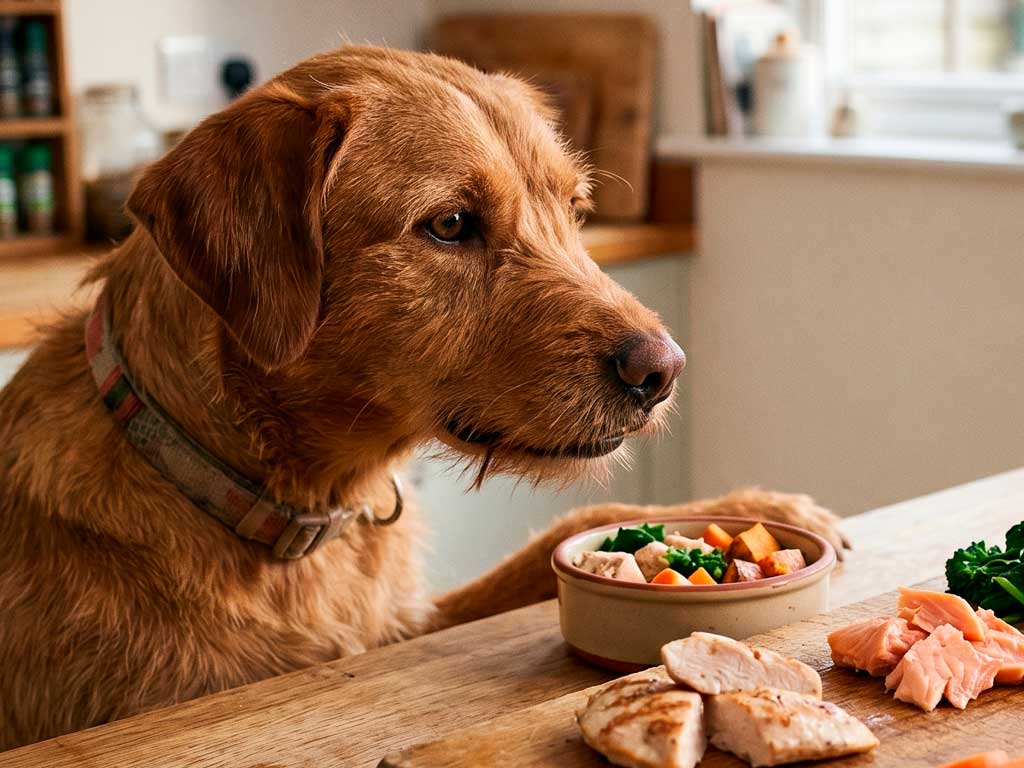
- Cooked carrots and sweet potato: Beta-carotene source, converted to vitamin A. Always cooked for sweet potato; can be raw or lightly steamed for carrots. Keep portions modest; excess beta-carotene can cause skin discoloration.
- Blueberries: Anthocyanins and vitamin C. 5 to 10 berries per session, a few times a week, is a reasonable addition for most dogs. Not a treatment, but a low-risk food addition.
- Leafy greens (steamed spinach, broccoli): Lutein and zeaxanthin sources. Chop finely and steam to improve digestibility. Broccoli in large amounts can cause gas.
- Egg yolks: Concentrated dietary lutein source. One or two eggs per week is a common guideline, though individual tolerance varies.
- Fatty fish (salmon, sardines, mackerel): DHA source directly available to the dog, unlike flaxseed oil which requires conversion dogs handle poorly.
What to be cautious about:
Herbal eye washes, including chamomile rinses and preparations based on eyebright (Euphrasia) or celandine (Chelidonium majus), are frequently mentioned in natural pet care sources. There is no peer-reviewed veterinary clinical evidence supporting their use in canine cataracts. Celandine contains alkaloids with irritant properties.
If you want to maintain eye hygiene, a plain sterile saline rinse is the safer choice, and it has the practical advantage of being consistent in composition. Consult a veterinarian before introducing anything directly into or around the eye.
Eye Hygiene for Dogs with Vision Impairment
For dogs whose cataracts have progressed to the point of affecting navigation, keeping the eye surface clean reduces the risk of secondary infection from discharge.
- Use a sterile saline solution (preserved-free, formulated for ophthalmic use) on a clean gauze pad. Wipe gently from the inner corner outward.
- Avoid cotton balls, which shed fibers. Use non-woven gauze or dedicated eye wipes.
- Do not introduce anything into the eye canal without veterinary direction.
- If the eye appears red, has increased discharge, or your dog is squinting or rubbing it, this is a reason to see a vet rather than apply a home rinse. These signs can indicate uveitis or secondary infection.
For general preparedness with a dog experiencing a health issue, it helps to have basic supplies on hand. The site’s guide to essential dog first aid kit supplies covers what to keep available before you need it.
When Surgery Is the Right Conversation to Have
The purpose of a nutritional and lifestyle approach is not to avoid surgery indefinitely. Phacoemulsification, the standard surgical technique for canine cataracts, has a high success rate when the retina is still functional. A veterinary ophthalmologist will typically use an electroretinogram (ERG) to confirm retinal activity before recommending the procedure.
Surgery is worth discussing when:
- The cataract is mature or hyper-mature
- The dog shows signs of lens-induced uveitis (redness, squinting, discomfort)
- Vision loss is significantly affecting daily navigation and quality of life
- The underlying retina is confirmed functional
Age is not a disqualifying factor on its own. Many senior dogs tolerate the procedure well when their cardiovascular and renal health is stable.
The nutritional measures in this article are most useful in the period before that decision point, as early support in a dog with incipient or immature cataracts, or as ongoing care for dogs who are not surgical candidates. They are not a substitute for the conversation with a veterinary ophthalmologist. For everything within the scope of dog health management at home, monitoring and regular vet check-ins remain the foundation.
Sources used in this article:
- Park S et al. “Effect of oral antioxidants on the progression of canine senile cataracts: a retrospective study.” Journal of Veterinary Science. 2022;23(3):e43. Seoul National University. https://pmc.ncbi.nlm.nih.gov/articles/PMC9149495
- Williams DL. “Effect of oral alpha lipoic acid in preventing the genesis of canine diabetic cataract: a preliminary study.” Veterinary Sciences. 2017;4(1):18. University of Cambridge. https://mdpi.com/2306-7381/4/1/18
- Williams DL. “Causes and cures for cataracts.” Royal College of Veterinary Surgeons Fellows in Focus. https://rcvs.org.uk/fellowship/fellows-in-focus/causes-and-cures-for-cataracts
- Barden CA et al. “Effect of grape polyphenols on oxidative stress in canine lens epithelial cells.” American Journal of Veterinary Research. 2008;69(1):94–100. https://doi.org/10.2460/ajvr.69.1.94
- Stringham NT. “Meso-Zeaxanthin in Canine, Feline, and Equine Companion Animals: A Narrative Review.” IMR Press. 2023. Northern Arizona University.
- Bauer JE. “Dietary omega-3 fatty acids and their effect on canine retinal function.” Texas A&M College of Veterinary Medicine, referenced in dvm360, April 2006. https://dvm360.com/view/texas-am-finds-dha-aids-canine-vision