Aquarium Plant Deficiency Chart: Symptoms, Causes and Fixes
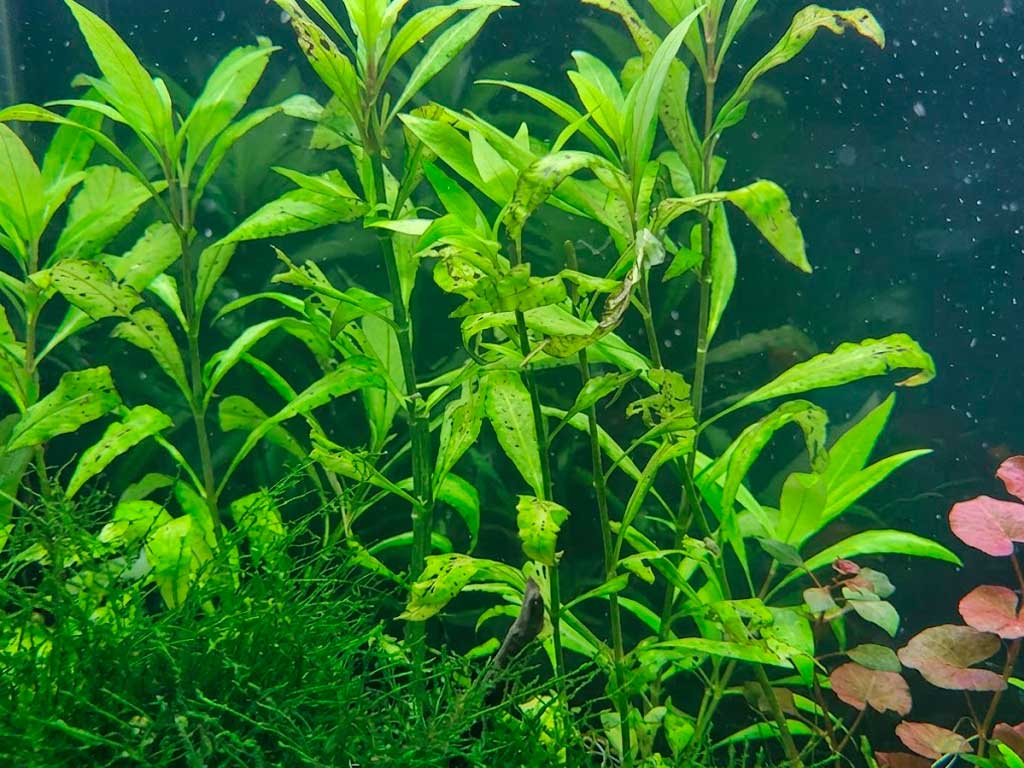
An aquarium plant deficiency chart is a useful starting point, but it’s not the final word. A lot of what gets diagnosed as “potassium deficiency” or “iron deficiency” online is actually a CO2 problem wearing a nutrient costume, since inadequate CO2 produces nearly identical yellowing and stunting.
This guide covers the real deficiency symptoms plant by plant, and how to rule out the impostor before you start dosing blind.
I’ve chased a “deficiency” for weeks before realizing my CO2 injection was the actual problem the whole time. In practice, a chart tells you what a symptom could mean, not what it definitely does mean.
Reading a Deficiency Chart Without Misdiagnosing
The fastest way to misread a chart is treating every yellow leaf as a nutrient shortage. Before you reach for a bottle, rule out the two biggest impostors: unstable CO2 and a dosing routine that’s inconsistent rather than actually deficient.
A true deficiency also takes time to develop, usually days to weeks of genuinely lean conditions, not an overnight change. If a plant deteriorates fast, that points to CO2 or water instability far more often than a missing nutrient.
Frequently Asked Questions
Potassium Deficiency
Potassium deficiency shows up as chlorosis, spots of dead tissue, and weak stems and roots, with older leaves affected more than new growth. Potassium is highly mobile within the plant, so it gets pulled from older tissue first to support new growth when supply runs short.
FROM AMAZON.COM
Seachem Flourish Potassium
A concentrated potassium supplement for the direct fix when older leaves show chlorosis, spots of dead tissue, or weak stems and roots.
Buy on Amazon.comHappy Pet Zone may earn a commission when you click through to Amazon.com, at no extra cost to you. As an Amazon Associate, we earn from qualifying purchases.
Flourish Potassium is the direct fix, and it’s one of the more common deficiencies in tanks that skip potassium dosing entirely while focusing on nitrogen and phosphorus.
Calcium Deficiency
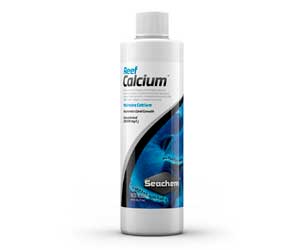
Calcium deficiency hits the growing points hardest, causing death of shoot and root tips while young leaves and shoots take the worst damage. Unlike potassium, calcium doesn’t move well within the plant, so new growth can’t borrow from older tissue to compensate.
FROM AMAZON.COM
Seachem Calcium
A bioavailable calcium supplement for raising and maintaining calcium levels, useful anywhere source water runs soft or low in minerals.
Buy on Amazon.comHappy Pet Zone may earn a commission when you click through to Amazon.com, at no extra cost to you. As an Amazon Associate, we earn from qualifying purchases.
Equilibrium restores calcium alongside potassium and magnesium, and it’s especially relevant in soft or RO water where calcium levels are naturally low to begin with.
Magnesium Deficiency
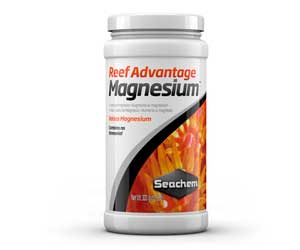
Magnesium deficiency causes chlorosis concentrated in older leaves, since magnesium is a core component of chlorophyll and gets reallocated to new growth when supply is short.
FROM AMAZON.COM
Seachem Magnesium
A bioavailable magnesium supplement for raising and maintaining magnesium levels, especially useful in soft water where reserves run low.
Buy on Amazon.comHappy Pet Zone may earn a commission when you click through to Amazon.com, at no extra cost to you. As an Amazon Associate, we earn from qualifying purchases.
This is the one to check first if you’re seeing yellowing that starts on the bottom or oldest leaves of the plant and works upward.
Equilibrium covers magnesium the same way it covers calcium, making it a reasonable first response when older-leaf yellowing shows up alongside soft water.
Iron Deficiency
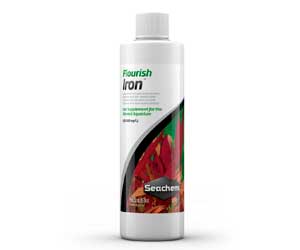
Iron deficiency produces chlorosis of the tissue between leaf veins, with stems going short and slender, and it specifically targets young leaves rather than old ones.
FROM AMAZON.COM
Seachem Flourish Iron
A concentrated iron supplement for the direct fix when young leaves show chlorosis between the veins and stems grow short and slender.
Buy on Amazon.comHappy Pet Zone may earn a commission when you click through to Amazon.com, at no extra cost to you. As an Amazon Associate, we earn from qualifying purchases.
This is the opposite pattern from magnesium, which is exactly why checking which leaves are affected first matters so much.
Flourish Iron is the direct fix, and it needs more frequent dosing than most nutrients since iron oxidizes and becomes less available to plants relatively quickly after dosing.
Manganese Deficiency
Manganese deficiency shows chlorosis in young leaves with the smallest veins staying green, plus necrosis appearing between the veins in more advanced cases. It’s involved in the photolysis of water during photosynthesis, so a shortage directly limits how efficiently the plant can convert light into energy.
Flourish Trace covers manganese along with the other micronutrients plants need in small amounts, and it’s typically dosed alongside the main Flourish fertilizer rather than as a standalone product.
Nitrogen Deficiency
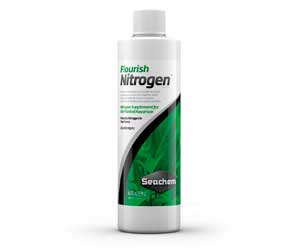
Nitrogen shortage looks different from the mineral deficiencies above: instead of a specific leaf pattern, it causes stunted growth affecting the whole plant, since nitrogen is a core building block of proteins and chlorophyll throughout the entire structure.
FROM AMAZON.COM
Seachem Flourish Nitrogen
Supplies both ammonium and nitrate nitrogen in one product, since plants respond differently to each form and a single-form fertilizer can leave some species short.
Buy on Amazon.comHappy Pet Zone may earn a commission when you click through to Amazon.com, at no extra cost to you. As an Amazon Associate, we earn from qualifying purchases.
There’s a detail worth knowing here that most charts skip entirely: plants respond differently to nitrogen depending on its form. Testing across six common aquarium plant species showed some growing over 400% better on ammonium (NH4+) nitrogen versus nitrate (NO3), while a couple of species actually favored nitrate instead.
That’s why Flourish Nitrogen includes both forms rather than betting on just one, and it’s why nitrogen deficiency can persist even when you’re dosing consistently if your plants happen to prefer the form you’re under-supplying. For the full weekly nitrogen schedule alongside the rest of the Flourish line, our Flourish dosing guide covers exactly how much and how often.
Building Your Diagnostic Approach
Here’s what actually matters before you start treating symptoms: check CO2 stability first, confirm you’re on a consistent dosing routine second, and only then match the specific symptom pattern to a single nutrient.
Dosing five different supplements at once because you’re not sure which one is missing just makes the next real problem harder to diagnose.
Once you’ve ruled out CO2 and confirmed the symptom pattern, a single targeted addition usually shows visible improvement within a week. For the broader picture of what each Seachem product actually does, our Seachem products guide ties this chart back to the rest of the lineup.
This guide covers general plant nutrition reference. Water parameters and CO2 levels vary by tank, so rule out non-nutrient causes before assuming a deficiency and dosing accordingly.