Norwich Terrier: A Big Dog in a Small Package
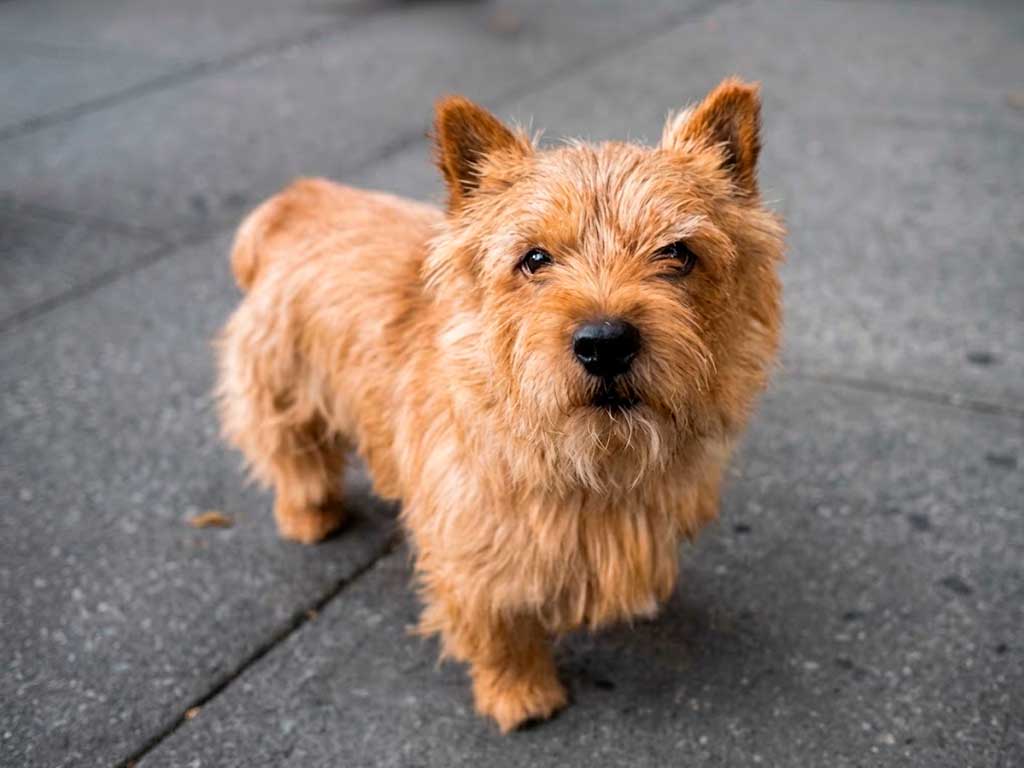
They call this one a big dog in a small package, and once you meet a Norwich Terrier, that description makes total sense. This is one of the smallest terrier breeds around, but nothing about its personality got the memo. I’ve worked with a few, and they carry themselves like dogs twice their size. Here’s what that actually looks like day to day.
What Makes the Norwich Terrier Unique
A fox-like face and alert, pointed ears that stand straight up give this breed its signature look. At just 4 to 5 pounds and around 10 inches tall, it’s genuinely one of the smallest terriers out there.
That low, sturdy build shows up in an oddly specific way: when a Norwich Terrier lies down, its feet tend to stick straight out to the sides or behind, rather than tucking neatly underneath. It’s a small detail, but owners notice it fast.
This breed and the Norfolk Terrier share nearly identical roots, splitting into two separate breeds in 1965 based on one trait: ear shape. The Norwich kept the prick ears and the original name.
Where This Breed Came From
This is a relatively young breed, documented for only about a century. Its likely ancestors include the Border Terrier, and further back, the Cairn Terrier and Irish Red Terrier, the same lineage behind the Norfolk.
Cambridge University students made this dog genuinely fashionable in the late 1800s, adopting it as something close to a campus mascot. Both ear types ran together under the Norwich name until the 1965 split created two distinct breeds.
Common Challenges and How to Handle Them
Vivacious and social describes most Norwich Terriers well, though a stubborn streak shows up often enough to matter. This breed does well with older kids and is a genuinely popular choice among older adults.
Trust me on this one: socialization around cats needs to start in puppyhood. Skip it, and this breed’s instinct leans toward chasing rather than coexisting.
Digging and barking are both hardwired here. Without an outlet, expect both to show up on your terms rather than your dog’s.
A few things that help:
- Start cat and small-pet socialization early, ideally before the chase instinct fully sets in.
- Keep training sessions short and rewarding. Repetition bores this breed fast.
- Teach a solid recall before relying on it near anything worth digging up.
- Channel the barking into something useful, like an alert cue, rather than trying to eliminate it entirely.
Daily Care Essentials
Exercise
Plan on about an hour of activity daily. This breed loves nothing more than digging for hours on end, so setting aside a dedicated spot in the yard saves you from a lawn full of holes.
Grooming
That hard, weather-resistant coat stays manageable with just one or two brushings a week. Hand-strip it a couple of times a year to keep the texture right, and a professional groomer or your breeder can walk you through the technique.
Feeding
Small dogs burn through energy fast and can’t hold much food at once, so smaller, more frequent meals beat one large bowl. A small-breed formula, with kibble sized for smaller mouths, makes chewing and digestion easier too.
Health Considerations
Here’s good news: the Norwich Terrier is generally a healthy, resilient breed with relatively few problems compared to many small dogs. Litters also tend to run small, which is worth knowing if you’re researching breeders.
I’m a trainer, not a vet, so treat this as general awareness rather than a diagnosis. If you’re evaluating breeders, ask directly about health screening and steer clear of anyone chasing extreme physical traits at the expense of soundness.
Frequently Asked Questions
What’s the difference between a Norwich Terrier and a Norfolk Terrier?
Mainly the ears. The Norwich has prick ears that stand up, while the Norfolk Terrier has drop ears that fold down. The two were the same breed until 1965.
Is the Norwich Terrier good for first-time owners?
Yes, generally. Purina lists this breed as suitable for owners without prior dog experience.
Are Norwich Terriers good with cats?
Only with consistent early socialization. Without it, expect a strong urge to chase rather than tolerate.
How much grooming does a Norwich Terrier need?
A weekly or twice-weekly brushing covers most of it, plus hand-stripping a couple of times a year.
Why is the Norwich Terrier called a “big dog in a small package”?
Because its confidence, energy, and personality don’t match its tiny size at all. Owners consistently describe the temperament as far bigger than the dog itself.
How long do Norwich Terriers live?
Typically 12 to 14 years, and the breed’s generally strong health tends to work in its favor over that span.
Final Verdict: Is It a Good Fit for You?
This breed fits owners who want serious personality in a genuinely tiny dog, don’t mind an occasional stubborn streak, and are ready to commit to early socialization around other pets. It’s not the right choice for anyone hoping for a low-energy lap dog with no working instincts underneath.
Curious about its near-identical cousin? Our Norfolk Terrier guide covers the drop-eared half of this split breed, and our Border Terrier guide covers another breed tied into its ancestry. Not sure this is the right breed at all? Our Dog Breed Quiz can help you compare it against other small breeds based on your home and lifestyle.