Shiba Inu Dog Breed: The Real Dog Behind the Meme
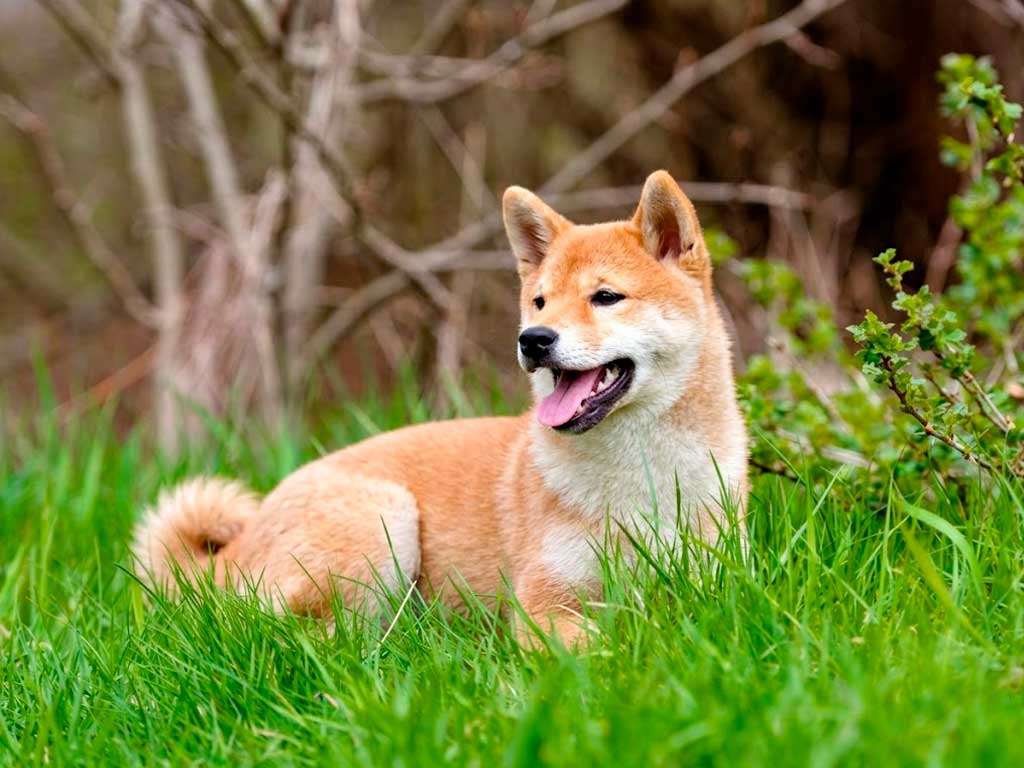
You’ve probably seen a Shiba Inu dog breed even if you didn’t know its name — that fox-faced grin behind the “Doge” meme and the Dogecoin cryptocurrency both borrowed this dog’s face. But the real dog behind the internet fame is a lot more independent, and a lot more work, than a viral photo lets on.
If you’re drawn to the breed for more than the meme, here’s what actually matters before you bring one home.
Quick Facts About the Shiba Inu Dog Breed
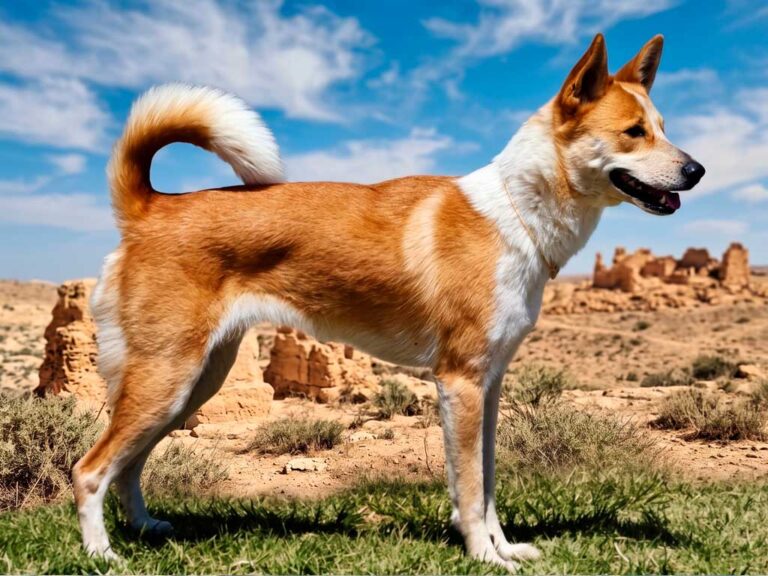
Here are the basics before we go deeper: Size: small to medium. Weight: 15 to 24 pounds. Height: 13 to 17 inches at the shoulder. Coat: thick double coat, most commonly red. Life expectancy: 12 to 15 years. Best suited for: experienced owners, not first-time dog households.
Getting Started: What New Owners Should Know
An Ancient Breed With a Near-Miss History
Archaeological finds trace the Shiba Inu back to Japan’s Jōmon period, around 500 BCE, making this one of the oldest dog breeds still around today. Around the third century CE, breeders refined the line by crossing in spitz-type dogs, which is where that triangular ear and curled tail came from.
Trust me on this one: this breed almost didn’t survive the 20th century. Imported foreign breeds became so fashionable in Japan that Shiba Inu numbers crashed by the 1920s, and hunters started a conservation program in 1928 to save the line. World War II and a later distemper outbreak dealt more blows, but the breed recovered and is now Japan’s most popular native dog, both at home and internationally.
Personality and the “Shiba Scream”
Shiba Inus are alert, bold, and famously independent — more cat than dog in a lot of ways, including a habit of self-grooming. Here’s the thing — that independence means they’re not big cuddlers on command. Most will accept affection on their own terms, not yours.
One quirk deserves its own mention: the “shiba scream,” a high-pitched vocalization the breed lets out when it’s overexcited or frustrated. It’s startling the first time you hear it, and it’s simply part of owning this breed.
Daily Care Essentials
Exercise Requirements
Plan on at least an hour of exercise daily, ideally with training and games mixed in rather than just a walk. Shiba Inus have a strong hunting instinct and will chase almost anything that catches their eye, so a securely fenced yard and a reliable recall command matter more than usual.
Diet and Nutrition
A properly balanced diet with the right proportion of core nutrients matters here, along with fresh water always available. Feed at least twice daily following your food’s specific guidelines, and check body condition regularly. Our full nutrition guide covers how to build that out.
Grooming Needs
Weekly brushing usually covers it, since this breed is naturally clean and self-grooms like a cat. That said, the thick undercoat sheds heavily during seasonal blowouts, so expect a couple of weeks a year that call for daily vacuuming.
Training and Socialization
Independent and smart is a tough combination for training. Positive reinforcement works, but progress takes real patience, and this isn’t a breed that follows commands just to please you the way some others do.
Early socialization with kids, other dogs, and even livestock matters a lot here, especially given that strong prey drive. Older, calmer kids tend to be a better match than toddlers or babies.
Health Considerations
The good news: Shiba Inus are a generally healthy, robust breed. The main issues to watch for are patellar luxation, where the kneecap slips out of place, and glaucoma, a painful buildup of pressure in the eye.
This isn’t meant as medical advice, just a heads-up worth knowing. Ask your vet about eye screening, and don’t skip routine checkups just because the breed has a reputation for good health.
Mistakes to Avoid
New owners often assume a small, fox-faced dog will be easygoing, and that mismatch causes real frustration. This breed’s stubborn independence and strong prey drive catch a lot of first-time owners off guard.
Skipping early socialization is another common misstep, especially around other dogs and small animals. And don’t expect a lapdog — a Shiba Inu will show affection on a schedule that’s entirely its own.
Frequently Asked Questions
Is the Shiba Inu the same dog as Dogecoin?
The Dogecoin logo is based on a real Shiba Inu named Kabosu, whose owner’s photos went viral and inspired the meme that later became the cryptocurrency’s mascot.
Are Shiba Inus good for first-time dog owners?
Generally not. Their independence and strong prey drive make training more demanding than breeds bred to please, so some prior dog experience helps a lot.
Can Shiba Inus be left alone during the day?
Yes, better than many breeds — some can handle up to eight hours, though they still need proper training and enough exercise beforehand.
Do Shiba Inus bark a lot?
They’re vocal when something warrants it, including the distinctive shiba scream, but they’re not constant barkers without a reason.
Curious about another Japanese breed with deep roots? The Japanese Akita shares similar origins with a larger, calmer build, and the American Eskimo Dog is another spitz-type breed worth a look. Browse the full dog breed library or try the Dog Breed Quiz if you’re still deciding.