Leonese Shepherd Dog: The Complete Breed Guide to Spain’s Carea Leones
Curious about the Leonese Shepherd Dog, one of Spain’s most capable working breeds? This guide breaks down its herding history, temperament, and daily care needs so you know exactly what to expect.
Happy Pet Zone has covered dozens of rare and native breeds, and the Leonese Shepherd stands out for combining sharp intelligence with genuine devotion to family.
You’ll also discover why locals in León still call this dog “Carea,” a name tied directly to its centuries-old job. Let’s start with where this breed comes from.
History and Origin
The Leonese Shepherd Dog, also called Carea Leonés, originated in the province of León, Spain. Shepherds developed this breed specifically to manage flocks across steep, mountainous terrain.
Its nickname “Carea” comes from the Spanish verb carear, meaning to herd or drive livestock. That name reflects the breed’s core purpose for centuries.
Even as sheep farming declined in the region, the Leonese Shepherd kept working. Many still herd flocks today, while others have moved into family homes across Spain.
Locals in León consider this breed a cultural symbol. It represents generations of rural life built around sheep herding in the surrounding mountains.
Physical Characteristics
The Leonese Shepherd Dog has a compact, muscular build designed for agility over rough ground. Adults typically stand between 46 and 51 cm at the shoulder and weigh 16 to 27 kg.
Semi-long fur covers this breed’s body, offering solid protection against harsh mountain weather. The coat requires only moderate upkeep despite its length.
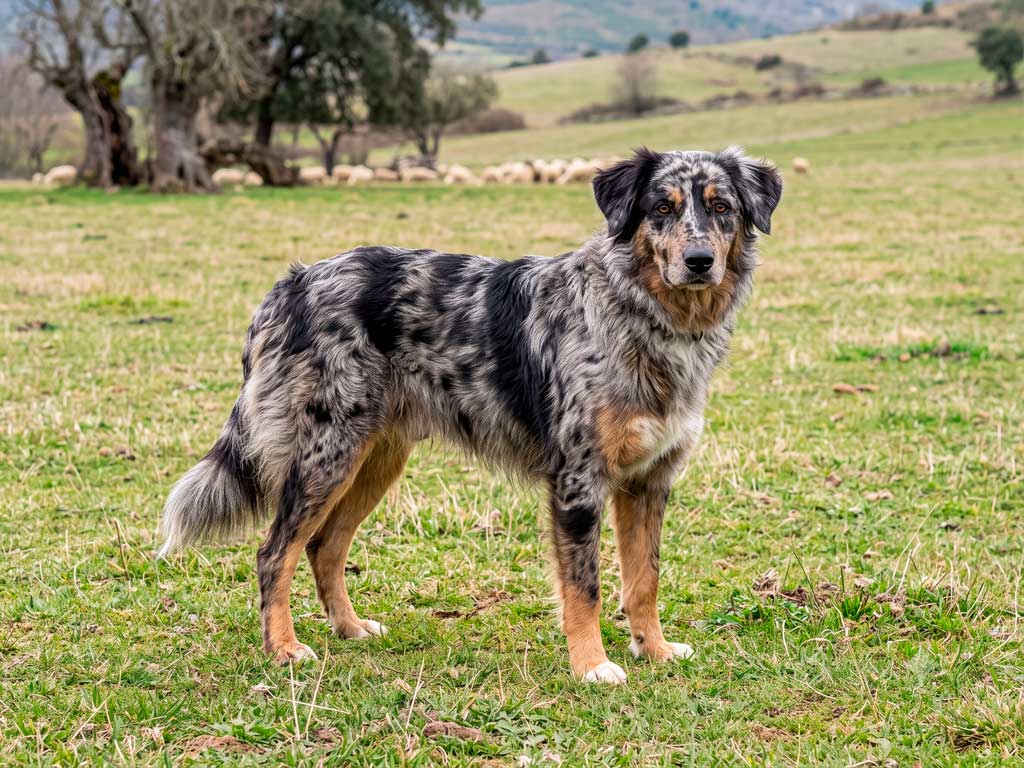
Coat colors include black, fawn with a black overlay known as cervato, and merle patterns with irregular gray-based markings. Semi-drop ears and expressive eyes give the breed an alert, intelligent look.
This dog’s head stays proportionate to its body, and its overall build reflects generations of selective breeding for working ability rather than appearance.
| Quick Facts | |
|---|---|
| Life Expectancy | 12–14 years |
| Weight | 16–27 kg |
| Height | 46–51 cm |
| Size | Medium |
| Coat | Semi-long, weather-resistant |
| Exercise Needs | 1–2 hours daily |
Temperament and Personality
Hardworking and sharp, the Leonese Shepherd Dog thrives when given a job to do. This breed’s strong herding instinct makes it a natural at guiding livestock.
At home, expect a loyal, watchful companion who takes protecting the family seriously. Strangers may notice this dog’s natural wariness around unfamiliar faces.
With children, the Leonese Shepherd tends to be patient and playful, making it a solid match for active families. Early socialization helps this breed get along with other pets too.
This dog adapts well to both rural and urban settings, provided its exercise needs get met. A calm home life balances out its high energy during active hours.
Boredom doesn’t sit well with this breed. Without enough mental and physical engagement, a Leonese Shepherd can develop restless or destructive habits.
Care Guide
Diet and Nutrition
Feed your Leonese Shepherd Dog a complete, balanced diet formulated for medium-sized, active breeds. This dog burns significant energy during herding-style exercise or long walks.
Work with a veterinarian to adjust portions as your dog ages or its activity level changes. Overfeeding can lead to weight gain that strains joints over time.
Fresh water should always be available, especially after exercise sessions in warm weather. Consistent mealtimes also help maintain healthy digestion in working breeds like this one.
Exercise Requirements
Plan for one to two hours of physical activity daily. Long walks, interactive games, and time outdoors all help satisfy this breed’s high energy levels.
Herding instincts run deep in this dog, so structured activities like agility or obedience sports channel that drive productively. Bored Leonese Shepherds tend to invent their own outlets for energy.
Apartment living works only with a serious commitment to daily exercise. This breed genuinely needs open space to run and explore whenever possible.
Grooming Needs
Brush your Leonese Shepherd Dog’s semi-long coat weekly to remove loose fur and prevent matting. This breed sheds minimally compared to many working dogs.
Weekly brushing keeps the coat clean and reduces shedding around the house. Bathe only when necessary to avoid stripping natural oils from the skin.
Routine nail trims, ear checks, and dental care round out a complete grooming schedule. This breed’s grooming needs stay fairly manageable compared to longer-coated cousins.
Training and Education
The Leonese Shepherd Dog responds exceptionally well to positive reinforcement training. Its natural intelligence makes learning new commands relatively quick and enjoyable for both dog and owner.
Start training early, since this breed’s protective instincts benefit from consistent socialization from puppyhood. Expose your dog to new people, animals, and environments to prevent excessive wariness later on.
Basic obedience should come first, followed by more advanced commands that keep this working breed mentally engaged. Canine enrichment activities, like scent work or agility, tap into the herding drive that defines this dog’s personality.
Health and Longevity
Leonese Shepherd Dogs typically live between 12 and 14 years. As an active working breed, this dog can face joint injuries or allergies tied to its high activity level.
Regular veterinary checkups help catch these issues early, especially in dogs that herd or compete in agility. Consistent monitoring supports long-term joint health.
This information is educational and doesn’t replace professional veterinary guidance. Always consult a licensed veterinarian for diagnosis, treatment, or specific health concerns about your dog.
A balanced diet, steady exercise, and preventive care all work together to support a long, active life for this resilient breed.
Is This the Right Dog for You?
Consider a Leonese Shepherd Dog if you lead an active lifestyle and can offer daily physical and mental stimulation. This breed does best with owners who have some prior dog experience.
Families with children often find this breed to be a patient, playful companion. Early socialization helps ensure smooth interactions with kids and other pets.
Apartment living isn’t ideal, though it can work with a strong commitment to outdoor exercise. This dog genuinely thrives with access to open space.
First-time owners might find the combination of high energy and protective instincts challenging without guidance from an experienced trainer.
Frequently Asked Questions (FAQ)
Is the Leonese Shepherd Dog good for families?
Yes. Its playful, affectionate nature makes it a great companion for active families, especially those with children.
Does this breed need a lot of exercise?
Yes, this breed needs one to two hours of daily activity to stay balanced. Walks, games, and dog sports all help meet that need.
Is the Leonese Shepherd Dog hard to train?
No, thanks to its intelligence and eagerness to learn. Positive reinforcement methods work especially well with this breed.
Can a Leonese Shepherd Dog live in an apartment?
It can adapt, but this breed does best with regular access to open outdoor space to release its energy.
Is this breed a good guard dog?
Definitely. Its protective instincts and natural wariness toward strangers make it an excellent watchdog for home and family.
Start with daily exercise and early socialization, since these two habits shape how well a Leonese Shepherd Dog settles into family life. Get that foundation right, and this breed’s intelligence and loyalty make it one of the most rewarding companions you can bring home.
For more native and working breed profiles, check out our Finnish Lapphund guide on Happy Pet Zone.