Australian Shepherd Breed: Working Dog Guide & Care
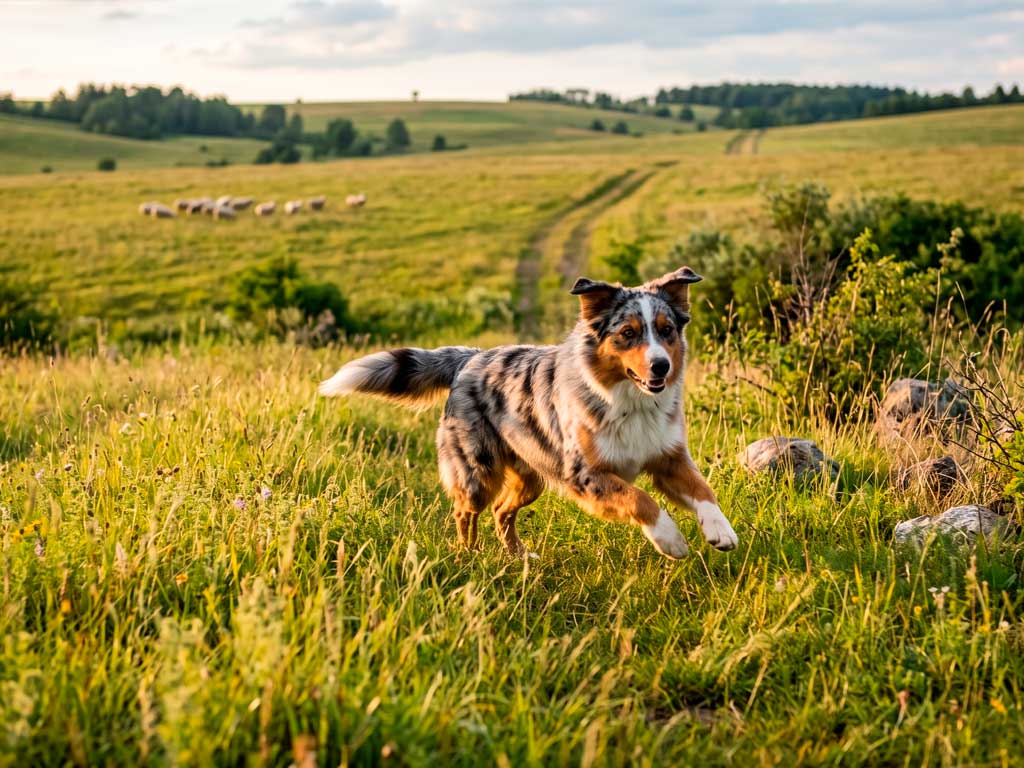
The Australian Shepherd breed is one of the most versatile and intelligent working dogs in the world. Despite its name, the Australian Shepherd originated in the American West, not Australia, where it was developed to herd sheep and cattle on sprawling ranches. Today, the “Aussie” excels not only in traditional herding but also in agility competitions, search and rescue operations, and as a devoted family companion.
What makes the Australian Shepherd breed special is its combination of intelligence, athleticism, and genuine eagerness to work. These medium-sized dogs with striking coat colors (blue merle, red merle, black, and red) are happiest when they have purpose. Without adequate mental and physical stimulation, they become bored, anxious, and potentially destructive—a reality every prospective owner must understand.
History and Origins
The Australian Shepherd breed has a fascinating origin story that contradicts its name. Despite the Australian connection in its title, the breed was developed in the United States during the 19th and early 20th centuries.
The most likely history involves Basque herding dogs (“blue heelers”) imported to America with Basque shepherds. These small, agile herding dogs were crossed with other working breeds to create a dog optimized for managing large sheep and cattle herds across the American West. The name “Australian Shepherd” likely stems from the association with Australian imported sheep, which were herded using these dogs.
Some breed historians suggest an alternative origin: early Australian herding dogs were imported to America and then crossed with American working breeds, creating the modern Aussie. Regardless of the exact lineage, the breed was refined and standardized in the United States, particularly in California and other western states.
The working heritage is critical to understanding the breed. Australian Shepherds were built to work 8-10 hour days in challenging terrain, making independent decisions about herd management. This heritage explains their intelligence, athleticism, and drive for purpose.
The breed wasn’t formally recognized by the American Kennel Club until 1991, despite being worked for over a century. Since then, popularity has skyrocketed. Today, the Australian Shepherd consistently ranks among the top 20 most popular dog breeds in North America, valued equally as working dogs and family companions.
Physical Characteristics
The Australian Shepherd breed is a medium-sized, athletic dog with distinctive appearance and athletic build.
Size and build: Males typically stand 51–58 cm (20–23 inches) at the shoulder and weigh 19–29 kg (42–65 pounds). Females measure 46–53 cm (18–21 inches) and weigh slightly less. Despite moderate size, they’re muscular and sturdy, built for work.
The body is slightly longer than tall, with a strong, level back. The chest is deep and well-sprung. Legs are straight and well-boned, with substantial bone structure reflecting their herding heritage.
Coat: The Australian Shepherd has a medium-length double coat that’s moderately feathered. The outer coat can be straight or wavy. The undercoat is dense, weather-resistant, and sheds heavily, especially during shedding seasons.
Coloring: Australian Shepherds display four recognized colors:
- Blue merle: Gray with black mottling and patches
- Red merle: Red with darker red mottling
- Black: Solid black
- Red: Solid red/liver
All colors may display white markings on the face, chest, and legs, as well as tan points (often called “saddle” or “tri” coloring for black-and-tan-and-white dogs).
Eyes and expression: Eyes are almond-shaped and can be brown, amber, blue, or heterochromatic (two different colors). This heterochromia (often one blue and one brown eye) is common and highly valued in the breed.
Tail: Many Australian Shepherds are born with naturally bobbed (short) tails. Others have full-length tails with feathering.
Overall impression: A purposeful, athletic dog. Every line suggests capability and readiness for work.
Temperament and Personality
The Australian Shepherd breed is characterized by intelligence, loyalty, and an almost obsessive drive to work. Understanding their temperament is essential for successful ownership.
Key traits:
Extraordinary intelligence: Australian Shepherds consistently rank in the top three most trainable dog breeds. They learn commands with remarkable speed and retain complex behaviors. This intelligence is both a blessing and a challenge—they excel at training but can become frustrated if not mentally engaged.
Working drive: These dogs were built to work. They’re happiest when given purpose: herding livestock, competing in agility, performing search and rescue work, or engaging in structured training. This drive is not a switch that turns off—it’s a fundamental part of their personality.
Loyalty and bonding: Aussies form intense bonds with their family. They’re protective without being aggressive, alert without being anxious. They often develop particular attachments to one family member while remaining friendly toward all.
Reserved with strangers: Unlike Golden Retrievers, Australian Shepherds are typically reserved with unfamiliar people. This isn’t shyness or aggression but rather a natural wariness. Early, consistent socialization helps, but they’ll likely remain somewhat cautious around strangers throughout life.
Herding instinct: The breed retains strong herding instincts. Many Australian Shepherds attempt to “herd” children by circling them or nipping at heels, especially during play. This behavior isn’t aggression but rather genetic memory. Training and redirection help channel this instinct appropriately.
Vocal expression: Australian Shepherds bark to communicate and alert. They’re not quiet dogs. Some bark excessively if bored or anxious.
The boredom problem: This is perhaps the most important trait to understand. A bored Australian Shepherd becomes a problematic dog. Destructive behavior, excessive barking, anxiety-driven behaviors, and even aggression can result from insufficient mental and physical stimulation. Countless Aussies end up in rescues because owners underestimated this need.
Care and Training
Exercise and Mental Stimulation
This is non-negotiable: Australian Shepherds require 2+ hours of daily exercise plus substantial mental stimulation. This isn’t negotiable or optional.
Physical exercise alone isn’t sufficient. A long walk that doesn’t mentally engage the dog won’t satisfy an Aussie. Ideal activities include:
- Herding trials (for dogs with livestock access)
- Agility competitions
- Disc-dog (frisbee) sports
- Dock diving
- Scent work and nosework
- Treibball (herding a large ball)
- Obedience training and competition
- Search and rescue training
- Running alongside a bike (with mature dogs)
Without this combination of physical and mental work, behavioral problems emerge. A bored Australian Shepherd will create its own activity: destructive digging, chewing, obsessive behaviors, or aggression.
Training and Obedience
Training an Australian Shepherd is rewarding but demands consistency.
Effective methods:
- Start early. Puppies need structure and boundaries from day one.
- Use positive reinforcement exclusively. These intelligent dogs respond poorly to harsh corrections.
- Provide clear, consistent rules and expectations.
- Challenge them regularly. Aussies thrive when learning new commands and tasks.
- Enroll in structured training classes or dog sports.
- Practice recall obsessively in safe environments before trusting off-leash work.
Key behaviors to prioritize:
- Impulse control (wait, leave it, stay)
- Reliable recall
- Loose-leash walking
- Settling/calmness on command (critical for reducing anxiety)
- Redirecting herding behavior toward appropriate targets
Socialization
Early, ongoing socialization is crucial. Expose puppies to varied people, environments, animals, and situations. Australian Shepherds benefit from structured socialization classes and regular exposure to new experiences throughout their lives.
Proper socialization reduces (but doesn’t eliminate) natural wariness toward strangers and helps prevent anxiety-driven aggression.
Grooming
Grooming is straightforward but requires commitment:
- Brush 3–4 times weekly to manage loose hair and maintain coat health
- Bathe every 4–8 weeks or as needed
- Trim nails every 3–4 weeks
- Check ears regularly for cleanliness
- During shedding seasons (spring and fall), brush daily to manage loose undercoat
The Australian Shepherd sheds significantly. This isn’t a breed for people bothered by dog hair on furniture and clothing.
Nutrition
Feed a high-quality dog food formulated for large or medium-breed active dogs. Adult Australian Shepherds typically require 1,200–2,000 calories daily, depending on age, metabolism, and activity level.
Divide daily food into 2 meals to aid digestion. Provide fresh water always.
Monitor body condition to prevent obesity, which stresses joints and shortens lifespan. A visible waist and palpable ribs are the goal.
Health Considerations
The Australian Shepherd breed is generally healthy, but several hereditary conditions occur:
Hip dysplasia: A developmental orthopedic disease affecting the hip joint. Responsible breeders screen parents via OFA or PennHIP scoring.
Elbow dysplasia: Similar to hip dysplasia but affecting the elbow. Less common than hip dysplasia but significant.
Collie Eye Anomaly (CEA): A hereditary eye condition where the eye doesn’t develop properly. Severity ranges from clinically insignificant to blindness. Genetic testing is available.
Cataracts (hereditary): Clouding of the lens. DNA testing can identify affected or carrier dogs.
Progressive Retinal Atrophy (PRA): A degenerative retinal disease causing gradual vision loss and potential blindness.
Cobalamin malabsorption: A genetic condition affecting vitamin B12 absorption, potentially causing weakness and growth deficiencies.
Drug sensitivity (MDR1 mutation): Some Australian Shepherds carry a genetic mutation causing sensitivity to certain medications, particularly ivermectin (used for heartworm prevention). DNA testing identifies affected dogs.
Lifespan: Australian Shepherds typically live 13–15 years, which is good for a medium-sized dog.
Is the Australian Shepherd Breed Right for You?
An Australian Shepherd is ideal if you:
- Lead an active lifestyle with time for 2+ hours of daily exercise
- Enjoy training and dog sports or competitions
- Have mental challenges to offer (scent work, puzzle toys, training)
- Want a highly intelligent, trainable dog
- Can provide consistent leadership and structure
- Have space outdoors for running
- Are comfortable with shedding and regular grooming
- Appreciate a dog with genuine working purpose
An Australian Shepherd is not right if you:
- Work long hours without midday exercise breaks
- Expect a low-energy lapdog
- Cannot tolerate barking or shedding
- Prefer a dog content to lounge at home
- Cannot provide mental stimulation and training
- Live in an apartment without dedicated outdoor space
- Are a first-time dog owner
- Want a dog perfectly friendly with all strangers
Frequently Asked Questions
1. Are Australian Shepherds good family dogs? Yes, with caveats. They’re loyal and protective of family members but require active engagement. Families must commit to exercise and training. They’re better suited to families with older children or athletic parents.
2. Can Australian Shepherds live in apartments? Theoretically yes, if exercised extensively outside the home daily. Practically, a house with a yard is far more suitable.
3. How much do Australian Shepherds shed? Significantly, especially during shedding seasons. Expect dog hair on furniture, clothing, and throughout your home.
4. Are Australian Shepherds good with other pets? Generally yes with proper socialization. Their herding drive may cause them to chase cats or smaller dogs, so careful introduction and supervision are essential.
5. What’s the difference between an Australian Shepherd and an Australian Cattle Dog? Both are herding dogs with similar heritage, but Australian Shepherds are larger, longer-coated, and more versatile. Australian Cattle Dogs are smaller, shorter-coated, and more specialized for cattle work.
6. Do Australian Shepherds need livestock to work? No. They thrive in dog sports, training, and other structured activities. However, herding trials (where they work with sheep or ducks) provide unique fulfillment.
7. How much do Australian Shepherd puppies cost? Reputable breeders typically charge $800–$2,000+ USD, depending on pedigree and testing. Health screening and documentation justify the cost.
A Breed for Active, Committed Owners
The Australian Shepherd breed is extraordinary for the right owner—someone who understands the working-dog temperament and commits to providing purpose, training, and exercise. These intelligent, loyal dogs thrive with structure and challenge.
For those willing to meet their substantial demands, Australian Shepherds offer unmatched loyalty, trainability, and companionship. They’re dogs that genuinely want to work alongside their people. That’s their greatest strength and their most important requirement.
Disclaimer: This guide is informational and not a substitute for professional veterinary or training advice. Consult your veterinarian before acquiring an Australian Shepherd puppy, particularly regarding genetic testing and health screening.