Parson Jack Russell Terrier: Active Breed Guide & Care
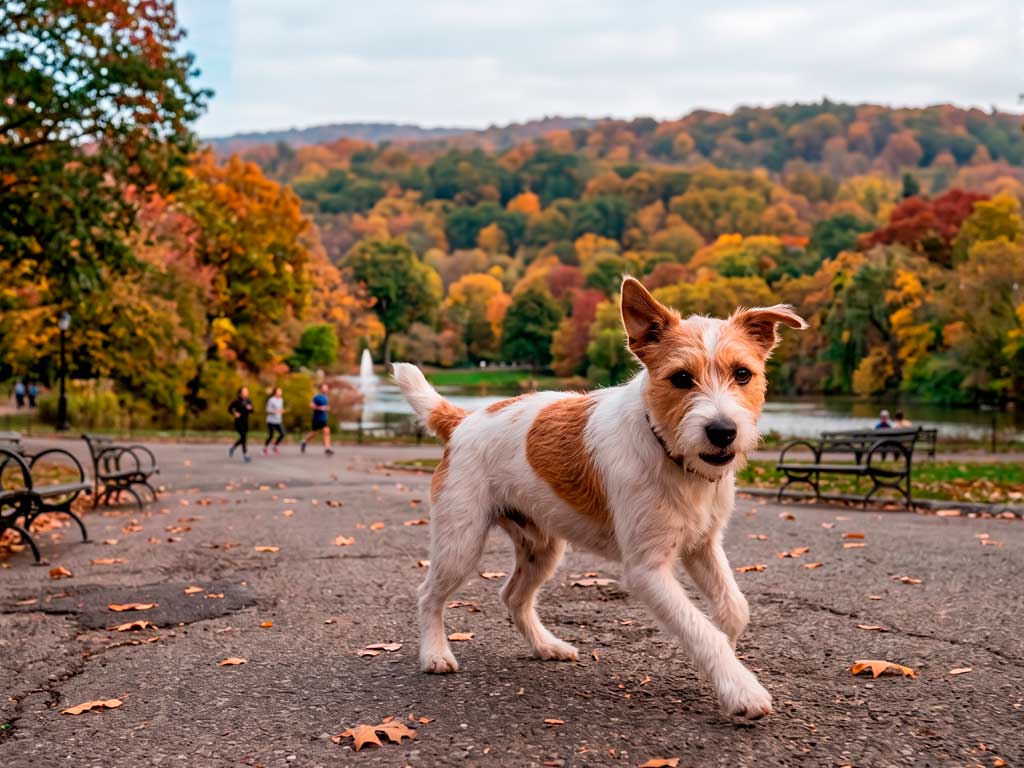
The Parson Jack Russell Terrier is a small but mighty dog with a personality far larger than its 5–8 kg (11–18 pound) frame suggests. Bred in 18th-century England to hunt foxes alongside horses, this terrier retains the boldness, independence, and relentless work ethic of its working-dog roots. Don’t mistake the compact size for a lapdog—Parson Jack Russell Terriers are spirited, intelligent, and utterly committed to pursuing whatever captures their attention.
These dogs thrive with active, experienced owners. For families seeking a high-energy companion willing to engage in adventures, the Parson Jack Russell Terrier can be extraordinary. For everyone else, this breed poses significant challenges.
History and Origins
The Parson Jack Russell Terrier was developed in 19th-century England by Reverend John Russell, a clergyman and passionate fox hunter in Devon. Russell needed a dog small enough to enter fox earths and extract prey, yet athletic and courageous enough to keep pace with hunting hounds and horses during full-day hunts.
Around 1820, while studying at Oxford, Russell purchased a small terrier from a local dairyman. This dog, named Trump, became the foundation of the breed. Russell spent decades refining the line through selective breeding, focusing on temperament, athleticism, and hunting instinct.
The key breeding principle was function over appearance. Russell prioritized a dog that could:
- Follow horses at a gallop
- Squeeze into underground burrows to find foxes
- Fight when necessary with courage and determination
- Return reliably to its handler despite prey drive
During his lifetime, Russell became as famous for his terriers as for his ecclesiastical work. After his death in 1883, the breed continued to evolve. However, two divergent lines emerged.
The Parson Jack Russell Terrier represents the original type Russell envisioned: taller, longer-legged, with a more rectangular body profile. These dogs were built to cover distance and keep pace with horses.
The Jack Russell Terrier (also called the Norfolk Jack Russell) developed into a stockier, shorter-legged variant, often with slightly curved front legs. While both types descend from Russell’s original strain, they’re now considered distinct breeds with separate breed standards.
This distinction matters. The Parson maintains Russell’s emphasis on athleticism and hunting capability. The breed remains relatively uncommon outside the UK, and those who own them typically understand and respect the working-dog temperament.
Physical Characteristics
The Parson Jack Russell Terrier is a compact but athletic small dog with proportions built for work.
Size and build: Males typically stand 36 cm (14 inches) at the shoulder; females measure about 33 cm (13 inches). Weight ranges 5–8 kg (11–18 pounds). Despite small stature, they’re muscular and sturdy, never fragile or toy-like.
The body is slightly longer than tall, with a deep chest. The back is straight and strong. Legs are long, straight, and well-boned, reflecting the breed’s heritage as hunters that needed to cover ground efficiently.
Head and expression: The head is moderate-sized with a tapered muzzle. Eyes are almond-shaped and dark, conveying intelligence and alertness. The ears are typically small and V-shaped, folding forward. Expression is often serious and intent—terrier terrier through and through.
Coat: The short, coarse double coat is weather-resistant. Texture can vary from smooth to slightly rough. The coat sheds moderately year-round and more heavily during seasonal shedding.
Coloring: Predominantly white with patches of color (black, red, tan, or lemon) typically appearing on the head, ears, or tail. Many display a single large patch on the back. Solid colored dogs are less common and considered less desirable in breed standards.
Overall impression: A purposeful, confident small terrier. Every line suggests a dog ready for work, not ornament.
Temperament and Personality
The Parson Jack Russell Terrier’s temperament reflects its working heritage. Understanding terrier nature is critical for anyone considering this breed.
Traits you’ll recognize:
Courage and confidence: These dogs fear nothing. A Parson will confront a much larger dog without hesitation, chase a rabbit at high speed without considering consequences, and investigate any sound without caution. This fearlessness is part of their charm but also a liability.
Independent thinking: Parsons were bred to make decisions alone while hunting. They don’t view commands as absolute directives. A Parson will evaluate your “come” command against the far more interesting smell in the bushes and make its own choice. This independence isn’t disobedience—it’s working-dog thinking.
High prey drive: Squirrels, cats, small dogs, and any creature that moves can trigger chase instinct. Socialization reduces (but doesn’t eliminate) this response. Off-leash reliability is never guaranteed, no matter how well-trained.
Affection with personality: Parsons are genuinely affectionate with their people, but not in the unquestioning devotion of a Golden Retriever. They bond to family members but remain their own dogs with distinct opinions about activities and interactions.
Vocal expression: These terriers bark, growl, and make terrier noise. A Parson announces arrivals, alerts to stimuli, and communicates excitement through sound. Quiet households are unsuitable.
Playfulness: Their sense of play is rough and earnest. They dig (enthusiastically and destructively), they chase, and they engage with toys and games with full intensity. Boredom prompts mischief.
Wariness of other dogs: While proper socialization helps, many Parsons retain a degree of dog-selectivity or same-sex aggression. They often do best as single dogs or in carefully managed multi-dog households.
Care and Training
Exercise Demands
This is non-negotiable: Parson Jack Russell Terriers require 60+ minutes of daily exercise, ideally with off-leash running in secure areas. A simple walk isn’t sufficient. These dogs need:
- Running or jogging (ideally alongside a bike)
- Digging opportunities (provide a sand pit or designated dig area)
- Chase games and retrieves
- Mental stimulation through training, scent work, or puzzle toys
- Outdoor exploration in varied terrain
A bored Parson becomes a destructive, problematic dog. Inadequate exercise correlates with excessive barking, destructiveness, and behavioral issues.
Training and Obedience
Training a Parson Jack Russell Terrier requires: Consistency, positive reinforcement, clear leadership, and realistic expectations.
Effective methods:
- Start early and establish rules and boundaries immediately
- Use high-value rewards (treats the dog loves, not just kibble)
- Train in short sessions (10 minutes) to maintain focus
- Practice recall training obsessively—off-leash reliability is challenging but possible with persistence
- Use a secure leash and harness (Parsons are escape artists)
- Enroll in training classes to build structure
Realistic expectations: A Parson Jack Russell Terrier will never be as obedient as a retriever breed. You’ll achieve “reliable most of the time” rather than absolute compliance. A Parson trained to excellent obedience standards is still a terrier who occasionally makes its own decisions.
Socialization
Early socialization to people, environments, and (selectively) other animals is crucial. A well-socialized Parson is more adaptable, though natural terrier wariness remains.
Introduce to children early. Parsons tolerate children but can be snippy if mishandled or if children invade their space during food or play. Supervision with small children is always necessary.
Grooming
Grooming is straightforward:
- Brush weekly to remove loose hair
- Hand-strip (pluck dead hair) 2–3 times yearly to maintain coat texture
- Bathe every 4–6 weeks as needed
- Trim nails every 3–4 weeks
- Check ears regularly
The breed sheds, though not excessively.
Nutrition
Feed a high-quality small-breed dog food formulated for active dogs. An adult Parson typically requires 400–600 calories daily, depending on metabolism and activity level. Split daily food into 2–3 meals.
Avoid overfeeding, as Parsons can become overweight if exercise drops. Obesity stresses joints and shortens lifespan.
Health Considerations
The Parson Jack Russell Terrier is generally hardy, typical of terrier breeds. However, potential health concerns include:
Patellar luxation: The kneecap occasionally dislocates. Severity ranges from occasional to debilitating. Responsible breeders screen parents.
Legg-Calvé-Perthes disease: A hip joint disorder that can cause lameness in young dogs. More common in small terrier breeds.
Lens luxation (eye): The lens can shift from its normal position, potentially causing vision loss or pain. Genetic screening is available.
Ataxia: Late-onset ataxia (lack of coordination) is a hereditary neurological condition. Genetic testing can identify affected or carrier dogs.
Deafness: Some Parsons are born deaf. Reputable breeders conduct BAER (Brainstem Auditory Evoked Response) testing on puppies.
Lifespan: Parsons typically live 13–15 years, which is good for a small, active dog.
Is the Parson Jack Russell Terrier Right for You?
A Parson is ideal if you:
- Lead an active lifestyle and enjoy outdoor activities
- Have experience training and managing dogs
- Enjoy a dog with strong personality and independence
- Can provide 1+ hour of daily exercise
- Appreciate terrier humor and can tolerate barking
- Have a secure yard with good fencing
- Want a fearless, bold companion
A Parson is not right if you:
- Are a first-time dog owner seeking an easy breed
- Work long hours and cannot provide midday exercise
- Want a dog that’s perfectly obedient or lapdog-like
- Have small children or cats
- Live in an apartment without dedicated exercise space
- Cannot tolerate barking or digging
- Expect a dog that’s content alone for extended periods
Frequently Asked Questions
1. Is a Parson Jack Russell Terrier hypoallergenic? No. While shedding is moderate, the breed is not hypoallergenic.
2. Can Parsons live in apartments? Theoretically yes, if exercised extensively. Practically, most thrive better in homes with yards. Apartment-dwelling Parsons need committed owners willing to exercise them daily outside the home.
3. Are Parsons good with cats? Individual variation exists. Many Parsons view cats as prey. Early socialization helps, but off-leash cats pose a risk. Multi-pet households require careful management.
4. How much do Parson puppies cost? Reputable breeders typically charge $500–$1,500 USD, depending on pedigree. Health screening and documentation justify the cost.
5. What’s the difference between a Parson and a Jack Russell Terrier? The Parson is the original type with longer legs and a more rectangular body. The Jack Russell (Norfolk type) is stockier and shorter-legged. They’re now separate breeds with distinct standards.
6. Do Parsons do well in dog sports? Absolutely. Many excel in agility, earthdog trials, flyball, and obedience competitions. Structured sports channel their energy productively.
7. Can Parsons be left alone? Not for extended periods. 4–6 hours maximum is reasonable for adult dogs. Puppies need more frequent breaks. Boredom leads to destructiveness.
A Breed Requiring Commitment
The Parson Jack Russell Terrier is not a casual pet. These dogs demand active engagement, mental challenge, and leadership. But for owners who meet those demands, the reward is a spirited, loyal, endlessly entertaining companion with genuine character.
If you’re drawn to working terriers, respect their independent nature, and have the lifestyle to support their energy, the Parson Jack Russell Terrier offers a relationship like few other dogs. They’re small in body but mighty in presence—a breed that proves greatness isn’t measured in pounds.
Disclaimer: This guide is informational and not a substitute for professional veterinary or training advice. Consult your veterinarian and a qualified dog trainer before acquiring a Parson puppy.